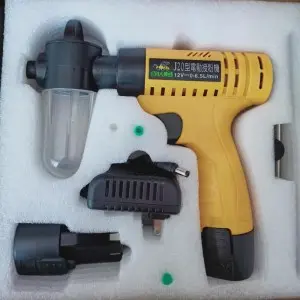
Professional CE Certification Fruit Tree Bagging and Pollen Care
Optimizing the fruit set in commercial orchards requires more than just biological pollen; it demands a precise delivery system that minimizes waste and maximizes visibility. For orchard owners managing large-scale operations, the cost of raw pollen can be significant. To address this, specialized pollen increasers and dyed markers are utilized to extend the volume of available pollen while providing clear visual confirmation of successful pollination. By integrating these additives, growers can ensure a more uniform distribution of genetic material across the canopy, reducing the frequency of manual applications and lowering overall labor costs.
This technical approach to pollination management focuses on the synergy between high-germination pollen and professional-grade additives. Whether managing Asian pears, Fuji apples, or kiwifruit, the ability to distinguish between pre-pollination and post-pollination states allows for tighter quality control. This ensures that every branch receives the necessary biological input to secure a stable harvest, directly impacting the final yield and fruit quality for the grower.

Enhancing Pollen Volume and Operational Cost Efficiency in Modern Orchards
One of the primary challenges in large-scale fruit production is the high cost associated with pure pollen. To mitigate this, the use of a pollen increaser allows growers to dilute the active material without compromising the efficacy of the pollination process. This additive increases the overall volume, enabling a wider coverage area per gram of expensive pollen. For the orchard owner, this translates directly into reduced material costs and a more sustainable approach to crop management.
The mechanical advantage of using an increaser lies in its ability to maintain the flowability of the pollen powder. When mixed in the recommended proportions—typically one part pollen to four parts increaser—the resulting mixture is easier to distribute using standard agricultural equipment. This ensures that the pollen reaches the stigma of the flower more consistently, avoiding clumps and ensuring that each blossom has an equal opportunity for fertilization.
Furthermore, this dilution strategy reduces the risk of over-application, which can sometimes lead to waste or uneven fruit development. By controlling the concentration, technicians can apply the precise amount of genetic material required for optimal fruit set, ensuring a balanced load on the tree that supports both current yield and future growth cycles.

Visual Tracking through Dyed Markers for Precision Pollination Management
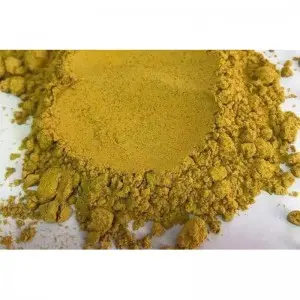
Precision in agriculture is often a matter of visibility. In traditional pollination, it is nearly impossible to determine at a glance which flowers have been treated and which have been missed. The introduction of dyed markers into the pollen mixture solves this operational bottleneck. Because the additives are colored, they leave obvious marks on the petals after the pollination process is complete, acting as a visual audit trail for the orchard staff.
This visual distinction is critical for several reasons:
- Error Reduction: Supervisors can quickly identify missed sections of the orchard, preventing gaps in the fruit set.
- Efficiency: It eliminates the need for redundant applications on already treated flowers, further reducing material waste.
- Quality Assurance: By comparing the marked flowers with the resulting fruit set, growers can evaluate the effectiveness of their pollination strategy in real-time.
The dye used is specifically formulated to be benign to the plant and the pollinating insects, ensuring that the visual marker does not interfere with the biological process of germination. This combination of biological efficacy and operational visibility allows for a professional-grade management system that moves beyond guesswork to data-driven orchard care.
Packaging Specifications and Safe Handling Protocols for Pollen Additives
To maintain the integrity of the product, packaging is customized based on the user's specific habits and application scale. A common standard involves 80g polyethylene bottles. In this system, a grower can simply add a 20g bag of pure pollen into an 80g bottle of increaser, achieving the ideal 1:4 ratio through simple stirring. This pre-measured approach minimizes calculation errors in the field and ensures consistency across different teams of workers.
For bulk operations, heat-sealed polyethylene plastic bags are available, with a maximum capacity of 80g per bag. Regardless of the packaging choice, it is imperative to use clean, dry containers during the mixing process. Any moisture introduced into the mixture can lead to premature clumping or degradation of the pollen's germination rate, potentially compromising the entire season's yield.
Critical Safety Warning: Users must be aware that these powders, particularly those involving specific additives, can be lightweight and float in the air for short periods. Due to this airborne nature, they can be flammable if they come into contact with an open flame. It is strictly required to keep all mixing and application areas away from open fires to prevent accidental ignition and ensure the safety of the personnel and the orchard.
Technical Application and Mixing Guide
| Application Parameter | Standard Ratio | Packaging Option | Primary Benefit |
|---|---|---|---|
| Pollen Dilution | 1 Part Pollen : 4 Parts Increaser | 80g PE Bottle | Reduced Cost per Acre |
| Visual Marking | Integrated Dye | Pre-mixed Powder | Pollination Verification |
| Bulk Handling | Customizable | Heat-sealed Bags | Logistical Efficiency |
| Mixing Process | Manual Stirring | Dry Containers | Uniform Distribution |
| Safety Requirement | Flame-Free Zone | N/A | Fire Prevention |
Integrating Professional Pollen Solutions into Diversified Fruit Production
The requirements for pollination vary significantly across different fruit species. For instance, the pollination of Asian pears and Fuji apples requires a high volume of viable pollen to ensure a dense fruit set, whereas kiwifruit often depends on more specialized male pollen collection. The use of professional increasers and markers allows a single management protocol to be adapted across these diverse crops, providing a unified system for the orchard manager.
Hebei Jiamingliang Pollen leverages extensive experience in the North China Plain to support these needs. With dedicated collection bases and advanced germination detection equipment, the company ensures that the biological component of the system is as robust as the chemical additives. This integration is essential because an increaser is only as effective as the pollen it is carrying; high germination rates combined with efficient delivery lead to the most stable returns for the grower.
By focusing on the interests of the fruit farmers, the goal is to move toward a more scientific approach to orchard management. This involves not only the provision of materials but also the technical guidance on how to use these materials to maximize the biological potential of the trees, ensuring that environmental factors do not hinder the pollination success.
Strategic Procurement Considerations for Large-Scale Orchard Supplies
When procuring pollination materials, buyers should look beyond the initial price per kilogram and consider the "effective cost per flower." A higher-quality pollen source combined with a professional increaser often results in a lower total cost because of the increased coverage and higher success rate of the fruit set. Procurement managers should evaluate the supplier's ability to provide consistent germination rates and customizable packaging that fits their specific labor workflow.
Furthermore, the reliability of the supply chain is paramount. Since pollination occurs in a very narrow biological window, any delay in delivery can result in a total loss of the season's potential. Working with an established producer that has its own collection bases and quality control equipment reduces the risk of third-party failures and ensures that the product is fresh and active upon arrival.
In conclusion, the shift toward precision pollination—using a combination of high-grade pollen, volume increasers, and visual markers—represents the next step in commercial orcharding. By reducing waste and increasing visibility, growers can secure their harvests against the unpredictability of natural pollinators and ensure a high-quality, uniform crop for the market.
Frequently Asked Questions on Pollen Enhancement
What is the main purpose of using a pollen increaser?
The primary purpose is to increase the overall volume of the pollen mixture, allowing it to be diluted. This reduces the amount of pure, expensive pollen required to cover a specific area of the orchard, thereby lowering the operational costs for the grower.
How do dyed markers help in the pollination process?
Dyed markers provide a clear visual indication on the petals after pollination has occurred. This allows workers to easily distinguish between pre-pollinated and post-pollinated flowers, ensuring no areas are missed and preventing redundant applications.
What is the recommended mixing ratio for these products?
The standard recommended proportion is 1 part pollen to 4 parts increaser. For example, adding 20g of pollen to an 80g bottle of increaser achieves this ideal ratio for optimal distribution.
Are there any specific safety precautions for handling these powders?
Yes. Because these powders are very light and can float in the air, they can be flammable. It is critical to keep the mixing and application process far away from open fires to avoid the risk of fire.
Can the packaging be customized for different orchard needs?
Yes, packaging can be adapted to customer requirements. Options include 80g polyethylene bottles for easy mixing or heat-sealed polyethylene plastic bags for bulk distribution.
How does an increaser affect the germination of the pollen?
When used correctly in dry conditions, the increaser serves as a carrier to improve distribution without negatively impacting the biological viability of the pollen, provided the pollen itself has a high initial germination rate.
Technical Resources and Industry Standards
- Food and Agriculture Organization of the United Nations - Crop Production
- International Society for Horticultural Science - Pollination Research
- The American Phytopathological Society - Plant Health Standards
- USDA Agricultural Research Service - Fruit Tree Management
For professional guidance on optimizing your orchard's pollination strategy or to request customized pollen and additive specifications, please contact our technical team via email at 369535536@qq.com.
Related Agricultural Solutions