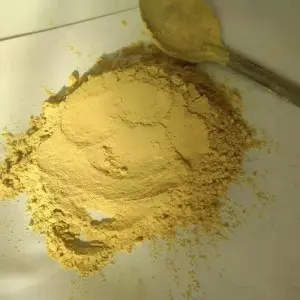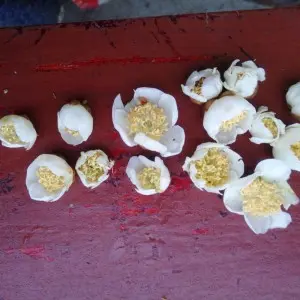


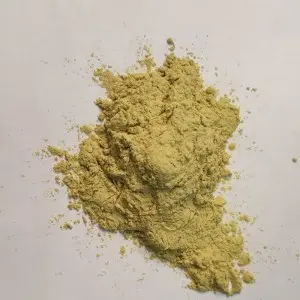
Advanced pollen block Solutions for Bolivia's Agro-Processing

High-purity botanical extracts and processed plant pollen tailored for the unique agricultural landscape of the Bolivian highlands and lowlands.

Advanced pollen block Solutions for Bolivia's Agro-Processing

Empowering the Bolivian agri-food sector with precision-processed plant pollen to enhance crop yields and nutritional additives in food processing.

Current State of Botanical Processing in Bolivia

Analyzing the intersection of Bolivia's biodiversity and industrial food processing.

Bolivia possesses a unique geographical advantage, spanning from the Andean Altiplano to the tropical Amazon basin. However, the local processing of pollen has traditionally remained artisanal, lacking the industrial standardization required for international export markets.

The demand for high-quality white pollen is rising within the local health food and pharmaceutical segments, yet the infrastructure for maintaining purity and stability during the dehydration process remains a significant bottleneck for many local cooperatives.

Currently, the industry is shifting toward semi-automated systems to handle white fluffy pollen, aiming to reduce contamination and ensure the biochemical integrity of the nutrients during the transition from raw harvest to processed block form.
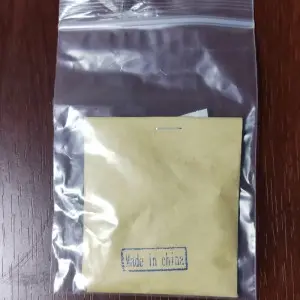
Evolution and Trajectory of Pollen Processing

From traditional gathering to precision industrial manufacturing.

Market Development History

In the early 2000s, the industry relied heavily on sun-drying methods, which often led to nutrient degradation and inconsistent quality in the final pollen block products.

Between 2010 and 2020, the introduction of vacuum-drying and centrifugal separation technology allowed for the production of refined white pollen, significantly increasing the shelf-life and commercial value of the output.

Entering the 2020s, the integration of cold-chain logistics and precise moisture control has enabled the processing of delicate white fluffy pollen for specialized pharmaceutical applications.

Future Development Trends

AI-Driven Quality Grading

Implementation of spectral analysis to automatically grade the purity of plant pollen based on protein and lipid profiles.

Sustainable Low-Energy Dehydration

Shift toward freeze-drying technology to preserve the enzymatic activity of pollen while reducing the carbon footprint of processing plants.

Bio-fortified Industrial Blocks

Developing composite blocks that blend different botanical strains to create tailored nutrient profiles for specific livestock or human health needs.

Industry Trends and Future Outlook

Strategic directions for the agro-processing sector in the South American region.

Precision Extraction
Transitioning to molecular-level extraction to isolate high-value compounds from plant pollen.
Standardized Block Geometry
Developing uniform pollen block dimensions for automated dosing in industrial food lines.
Eco-Friendly Packaging
Adopting biodegradable vacuum seals to maintain the integrity of white fluffy pollen.
Export Certification
Aligning Bolivian processing standards with EU and FDA requirements for botanical exports.

Industry Outlook

Based on Google search trend data for "natural supplements" and "organic pollen" in South America, there is a forecasted 15% CAGR in demand for processed botanical powders. Bolivia is positioned to become a regional hub for high-purity pollen due to its diverse flora.

The convergence of agricultural technology and food science will likely lead to "functional pollen" blocks, where the raw material is enriched with specific micronutrients to serve as a base for the nutraceutical industry.

Local Application Scenarios in Bolivia

Real-world integration of pollen processing across various sectors.

1. Altiplano Apiculture Enhancement

Using standardized pollen block supplements to maintain honeybee colony health during the harsh Andean winters.

2. Amazonian Superfood Integration

Incorporating refined white pollen into organic energy bars and protein powders produced in the Santa Cruz region.

3. Pharmaceutical Grade Raw Materials

Providing ultra-pure white fluffy pollen for the development of local hypoallergenic supplements and skin-care products.

4. Industrial Livestock Feed Optimization

Integrating plant pollen as a high-protein additive for sustainable aquaculture and poultry farming in the lowlands.

5. Export-Ready Botanical Extracts

Processing raw pollen into compressed, export-standard blocks for the global natural health market, reducing shipping volume and oxidation.

Brand Story

Global Development Journey of Hebei Jiaming Liang Pollen Co., Ltd.

Foundational Innovation

Established with a mission to bridge the gap between raw botanical harvests and industrial-grade nutrition.

Technological Breakthrough

Pioneered the low-temperature compression technique to create the perfect pollen block without heat damage.

Global Expansion

Extended operations to South America, bringing advanced processing standards to diverse ecological zones.

Quality Standardization

Achieved international certifications, ensuring every gram of white pollen meets global safety benchmarks.

Future Vision

Dedicated to solving the instability of raw plant pollen through sustainable, tech-driven processing.

Frequently Asked Questions in Bolivia

Expert answers to common technical and commercial queries.

How does humidity in Bolivia affect pollen block stability?

High humidity in the lowlands can cause moisture absorption. Our vacuum-sealed processing ensures that the blocks remain stable and resistant to clumping.

What is the difference between white fluffy pollen and standard plant pollen?

White fluffy pollen refers to a specific processed state with lower density and higher aeration, ideal for rapid dissolution in liquid supplements.

Can white pollen be used in industrial food production in Bolivia?

Yes, our refined white pollen is processed to remove impurities, making it suitable for integration into large-scale food and beverage lines.

What is the optimal storage temperature for processed pollen blocks?

To maintain biochemical activity, we recommend storing blocks in a cool, dry environment below 20°C, away from direct sunlight.

How do you ensure the purity of plant pollen for export?

We utilize multi-stage filtration and centrifugal separation to remove organic debris, ensuring the final product meets international purity standards.

Are your pollen blocks compatible with automated dosing machines?

Yes, our industrial blocks are manufactured with precise geometric tolerances to ensure seamless integration into automated feeding systems.

Ready to Optimize Your Agro-Processing?

Contact our technical team today for customized botanical solutions in Bolivia.

Contact Us Now

If you are interested in our products, you can choose to leave your information here, and we will be in touch with you shortly.