Look, pear pollen for pollination in orchards in taiwan… it's become a real talking point this past year, hasn’t it? Everyone’s scrambling for solutions to boost yields, especially with the climate acting up. To be honest, it's not just about slapping some pollen on flowers anymore. It’s a whole science now, especially here in Taiwan where the pear industry is so important. You see these orchard owners, they're not farmers anymore, they're businesspeople, and they want guaranteed results.
Have you noticed how everyone's fixated on maximizing pollination rates? It's driven this demand for really specialized pear pollen. It's not just about getting any pollen, it's getting the right pollen, at the right time, delivered efficiently. And that's where things get tricky. The pressure to produce perfect pears, flawless fruit… it's immense.
And it’s funny, you talk to the guys in the labs, they’re talking about pollen viability, pollen tube growth, genetic compatibility… but out in the field? It's about whether the bees are doing their job, whether the wind is cooperating, and whether that pollen actually sticks to the stigma. That's the real world test. It's easy to get lost in the details and forget the basic needs of the orchard.
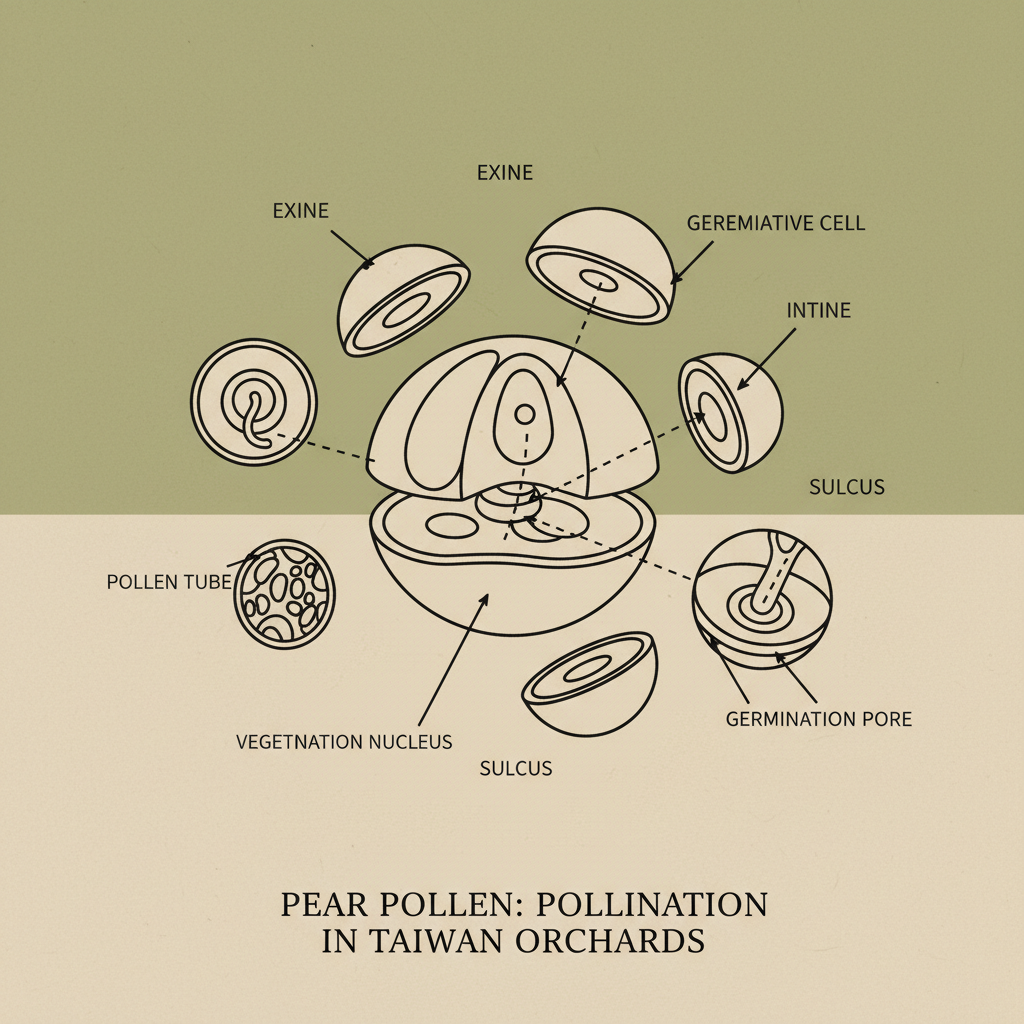
The Growing Demand for Pear Pollen in Taiwan
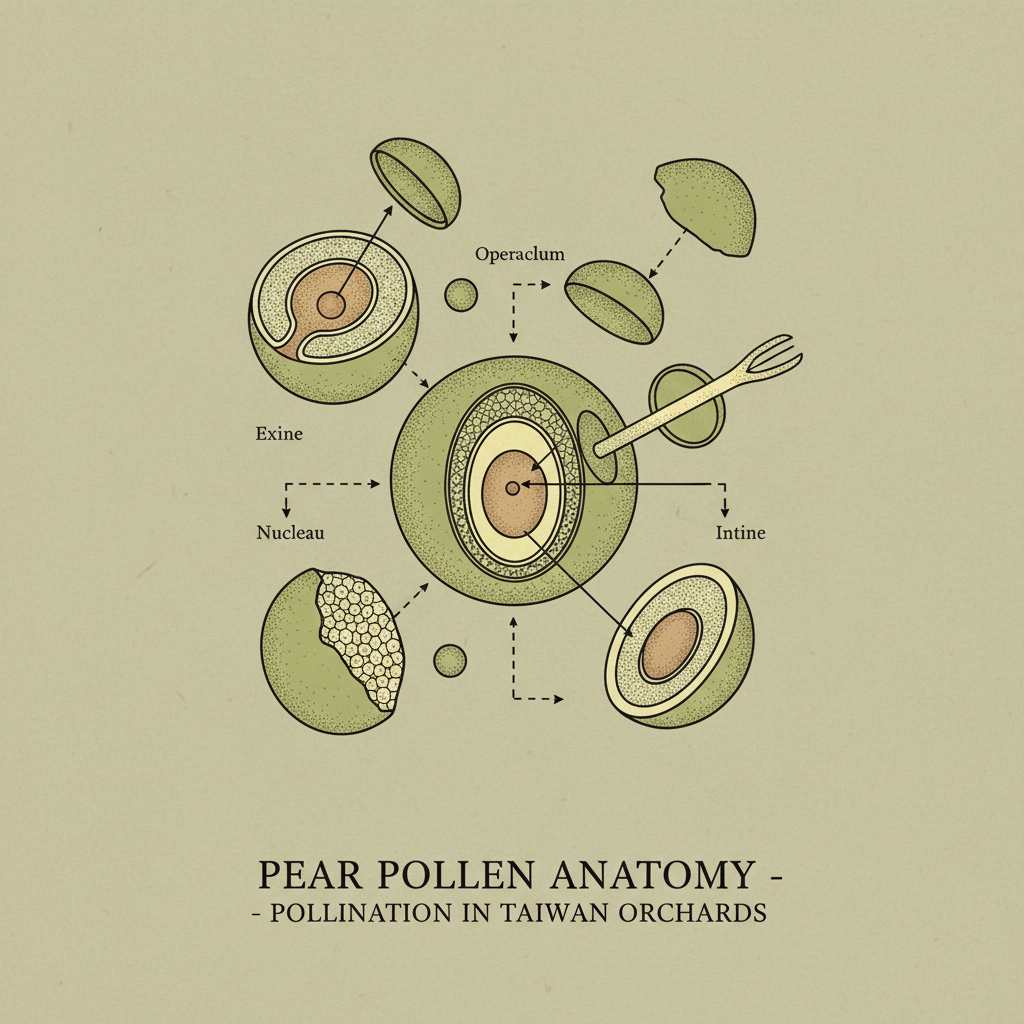
Honestly, the demand just exploded in the last five years. It started slowly, a few progressive orchard owners looking for an edge. But then word spread. I encountered this at a factory in Taichung last time, a guy who used to just rely on bees, now he’s ordering specific pollen strains. They're seeing, and reporting, significantly increased fruit sets.
The thing is, traditional pollination methods are becoming less reliable. Bee populations are declining, weather patterns are unpredictable… so farmers are looking for something they can control. Pear pollen for pollination in orchards in taiwan gives them that control, or at least the illusion of it. And, well, people are willing to pay for peace of mind.
FAQS
Generally, properly stored pear pollen maintains high viability for around 12-18 months. We recommend keeping it in a cool, dry, and dark place, ideally refrigerated. But honestly, it's not an exact science. It depends on the specific pollen strain and the storage conditions. After a year, germination rates will start to decline, so it’s best to test it before use.
Humidity is a killer. Pear pollen is very sensitive to moisture. High humidity can cause the pollen grains to clump together and lose their ability to germinate. That’s why proper storage is so crucial. We've seen instances where pollen stored in humid conditions has completely lost its viability within a few weeks. It's a constant battle.
Not necessarily. Pear pollen compatibility varies depending on the specific varieties. Some varieties are self-compatible, meaning they can pollinate themselves, while others require cross-pollination with a different variety. It’s important to choose pollen from a compatible variety to ensure successful fruit set. Otherwise, you’re just wasting your time and money.
That depends on the size of your orchard and your budget. For small orchards, hand pollination is still a viable option, although it’s labor-intensive. For larger orchards, we recommend using a drone or an electrostatic duster. These methods can distribute the pollen more evenly and efficiently. However, proper calibration and technique are essential.
Yes, absolutely. Pear pollen is a natural product and is perfectly acceptable for use in organic farming. In fact, many organic growers are turning to pear pollen to supplement or replace traditional pollination methods, especially given the decline in bee populations. It's a sustainable and environmentally friendly solution.
The best way to check viability is to perform a germination test. Place a small amount of pollen on a slide with a drop of sugar solution, and examine it under a microscope. If the pollen grains are plump and the pollen tubes are growing, the pollen is still viable. If they look shriveled or don't produce pollen tubes, it's time to get a fresh batch.
Conclusion
So, there you have it. Pear pollen for pollination in orchards in taiwan is a complex topic, but it’s becoming increasingly important for ensuring high-quality pear production. It’s not a magic bullet, and it requires careful planning and execution, but when done right, it can significantly boost yields and improve fruit quality.
Ultimately, whether this thing works or not, the worker will know the moment he tightens the screw. The guys in the field are the ones who really know what’s going on. Listen to them, learn from them, and you'll be on the right track.
Related Posts
-

The Crucial Role of Lots of Apple Pollen in Global Agriculture and Public Health
-

Understanding the Apple Pollination Method for Maximized Orchard Productivity
-
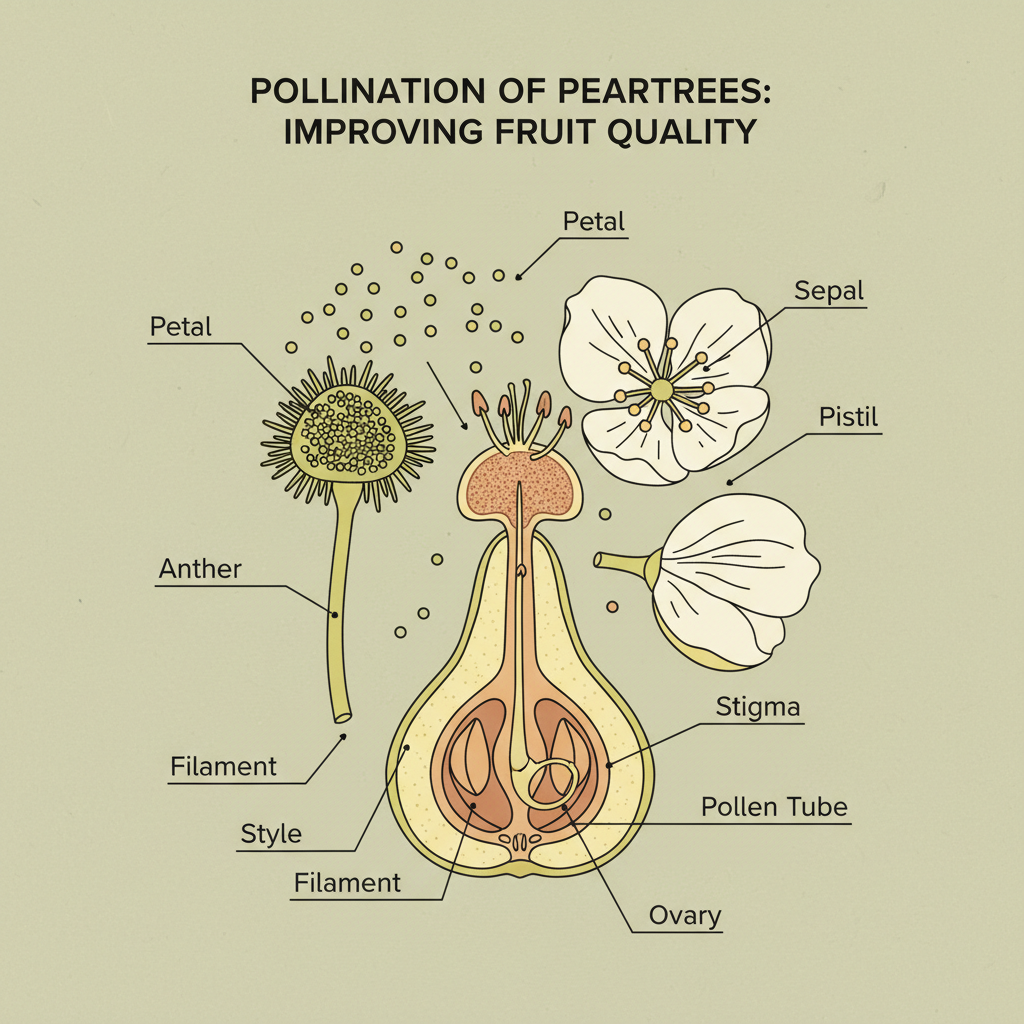
Optimizing Pollination of Pear Trees to Improve Quality and Yield
-

Optimizing Apple Orchard Pollination with Effective Pollen Management Strategies

 English
  Afrikaans
  Albanian
  Amharic
  Arabic
  Armenian
  Azerbaijani
  Basque
  Belarusian
  Bengali
  Bosnian
  Bulgarian
  Catalan
  Cebuano
  Corsican
  Croatian
  Czech
Czech  Danish
  Dutch
Dutch  Esperanto
  Estonian
  Finnish
  French
  Frisian
  Galician
  Georgian
  German
  Greek
Greek  Gujarati
  Haitian Creole
  Hausa
Hausa  Hawaiian
  Hebrew
  Hindi
Hindi  Miao
Miao  Hungarian
  Icelandic
  Igbo
Igbo  Indonesian
  Irish
Irish  Italian
  Japanese
  Javanese
  Kannada
  Kazakh
  Khmer
Khmer  Rwandese
  Korean
  Kurdish
  Kyrgyz
  Lao
Lao  Latin
Latin  Latvian
  Lithuanian
  Luxembourgish
  Macedonian
  Malgashi
  Malay
Malay  Malayalam
  Maltese
  Maori
Maori  Marathi
  Mongolian
  Myanmar
  Nepali
  Norwegian
  Norwegian
  Occitan
  Pashto
  Persian
  Polish
  Portuguese
  Punjabi
  Romanian
  Russian
  Samoan
  Scottish Gaelic
  Serbian
  Sesotho
  Shona
Shona  Sindhi
  Sinhala
  Slovak
  Slovenian
  Somali
  Spanish
  Sundanese
  Swahili
  Swedish
  Tagalog
  Tajik
Tajik  Tamil
Tamil  Tatar
Tatar  Telugu
  Thai
Thai  Turkish
  Turkmen
  Ukrainian
  Urdu
Urdu  Uighur
  Uzbek
Uzbek  Vietnamese
  Welsh
Welsh  Bantu
Bantu  Yiddish
  Yoruba
  Zulu
Zulu