Sep . 22, 2025 13:35 Back to list
Premium Fruit Paper Bags: Protect & Ripen Your Harvest Naturally
Introduction to Advanced Fruit Protection Solutions
In contemporary horticulture, the pursuit of optimal fruit quality, enhanced yield, and minimized pesticide residues has led to significant innovations in protective cultivation. Among these, the adoption of advanced fruit paper bags stands out as a highly effective, eco-friendly solution. These specialized bags, designed with precision engineering, offer comprehensive protection to developing fruits, shielding them from a myriad of environmental and biological stressors. This article delves into the technical aspects, market dynamics, and operational advantages of these crucial agricultural tools, catering to the needs of B2B decision-makers and agricultural engineers.
The strategic application of fruit bagging technology not only safeguards individual fruits but also contributes to broader agricultural sustainability goals. It directly influences factors such as resistance to disease, protection against insect infestation, and defense from adverse weather conditions, ultimately improving fruit marketability and reducing post-harvest losses. The sophistication of modern fruit bagging materials extends beyond simple physical barriers, incorporating features that regulate microclimates and manage light exposure for superior fruit development.
Industry Trends in Protective Fruit Cultivation
The agricultural sector is currently witnessing a paradigm shift towards sustainable and precision farming practices. Key trends influencing the demand for specialized fruit protection include:
- Increased Consumer Demand for Residue-Free Produce: Global consumers are increasingly health-conscious, driving demand for fruits with minimal or no pesticide residues. This trend directly elevates the importance of physical barrier methods like fruit paper bags.
- Climate Change Adaptation: Erratic weather patterns, including severe hailstorms, intense UV radiation, and prolonged droughts, necessitate robust protective measures for fruit crops. Modern bags are engineered to mitigate these risks.
- Biodiversity Preservation: Reducing reliance on broad-spectrum pesticides supports beneficial insect populations, which are crucial for natural pest control and effective pollination, especially considering the diverse pollen types essential for various fruit species. Protecting pollinators is indirectly supported by reducing chemical sprays due to fruit bagging.
- Technological Integration: Innovations in material science, such as biodegradable coatings and smart materials, are enhancing the functionality and environmental profile of fruit bagging solutions. The interaction between protective measures and the delicate process of fruit development from plant pollen is a critical consideration in bag design, ensuring breathability while providing robust defense.
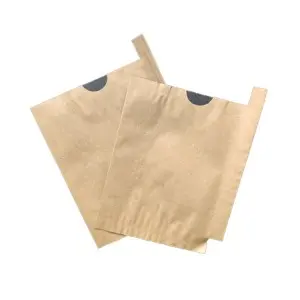
These trends highlight the imperative for innovative, high-performance protective solutions that balance agricultural productivity with environmental stewardship.
Manufacturing Process of High-Performance Fruit Paper Bags
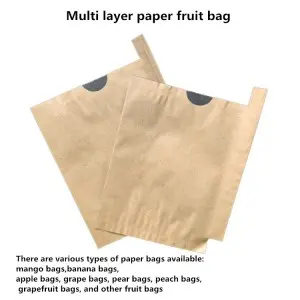
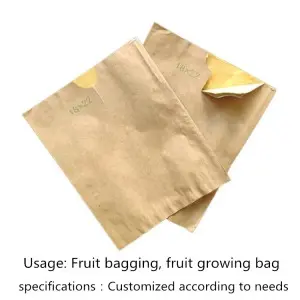
The production of durable, multi-functional fruit paper bags involves a sophisticated manufacturing process, emphasizing precision and quality control at every stage. Our FRUIT BAGGING, INSECT PROOF, WATERPROOF, AND BIRD PROOF product exemplifies this meticulous approach.
Materials Selection:
The foundation of a superior fruit bag lies in its materials. We utilize high-grade, food-safe paper stock, typically a blend of virgin pulp for strength and breathability. This is often combined with specialized coatings for enhanced functionality:
- Outer Layer: Often composed of water-resistant Kraft paper or a UV-stabilized composite for durability against weather elements and solar radiation. This layer can incorporate light-reflective properties to manage fruit color development.
- Middle Layer (optional): Some premium bags feature an additional layer for increased insulation or opacity, crucial for specific fruit ripening profiles.
- Inner Layer: Typically a soft, breathable tissue paper or a non-abrasive material to prevent damage to the delicate fruit skin. This layer may be treated with antifungal agents.
- Adhesives: Food-grade, water-resistant adhesives are used to bond layers and form seams, ensuring structural integrity even in humid conditions.
Manufacturing Stages (Schematic Process Flow):
-
1. Paper Roll Preparation & Unwinding: Large rolls of pre-selected paper materials are loaded onto precision unwinding machines. Tension control is critical to ensure uniform feeding.
Technical Detail: Automated web guiding systems ensure precise alignment, minimizing material waste.
-
2. Coating Application (if applicable): For waterproof, insect-proof, or UV-resistant properties, specialized coatings are applied. This can involve extrusion coating, gravure coating, or spray application of biodegradable polymers or waxes.
Technical Detail: Coating thickness is controlled to within ±5 microns, ensuring consistent performance characteristics like moisture vapor transmission rate (MVTR) and insect repellency.
-
3. Multi-Layer Lamination: Different paper layers are precisely laminated using food-grade adhesives under controlled temperature and pressure, ensuring strong, delamination-resistant bonds.
Technical Detail: Lamination machines operate with precision registration to ensure layers are perfectly aligned, critical for bag integrity.
-
4. Forming & Cutting: The laminated paper web is fed into a specialized forming machine. Here, precise CNC-controlled dies cut the material into the desired bag shape and size. Folding and initial sealing of the side seams occur simultaneously.
Technical Detail: High-speed rotary cutters or laser cutting systems achieve tolerances of ±0.5 mm for consistent bag dimensions.
-
5. Bottom Folding & Sealing: The bottom of the bag is folded and sealed, often with a reinforced gusset to allow for expansion and support fruit weight. Heat sealing or pressure sealing techniques are employed based on material composition.
Technical Detail: Ultrasonic sealing or thermal bonding ensures hermetic seals where required, preventing water ingress and pest entry.
-
6. Quality Control & Inspection: Each bag undergoes rigorous inspection for defects such as improper seals, material inconsistencies, or dimensional deviations. Automated optical inspection (AOI) systems are often integrated.
Technical Detail: Testing standards adhere to ISO 9001 for quality management and specific material standards like ASTM D6868 for compostability or relevant food contact regulations (e.g., FDA 21 CFR for coatings). Our products meet agricultural industry standards for durability and environmental safety.
- 7. Packaging: Finished bags are counted, stacked, and packaged for shipment, ensuring protection during transit.
Service Life & Target Industries:
Our fruit protection bags are designed for a service life of one full growing season (typically 3-6 months), enduring various weather conditions. While primarily targeted at the agriculture and horticulture sectors, particularly for orchards and vineyards, the underlying material science and protective coatings find applications in:
- Specialty Crops: Protection of delicate herbs or flowers from environmental stress.
- Seedling Nurseries: Providing a controlled microenvironment for young plants.
Advantages in Typical Application Scenarios:
- Energy Saving: By regulating fruit temperature, bags can reduce stress on trees, potentially optimizing water and nutrient uptake, indirectly leading to energy savings in overall orchard management.
- Corrosion Resistance: For the fruit itself, the bag acts as a barrier against acid rain, chemical drift, and microbial pathogens, which can "corrode" or degrade fruit skin and quality.
- Pest and Disease Control: Direct physical barrier against insects (e.g., fruit flies, codling moths), birds, and fungal spores.
- Improved Fruit Quality: Ensures uniform color, smoother skin, and higher sugar content by protecting against sunburn, abrasions, and external blemishes.
Technical Specifications and Performance Parameters
Our FRUIT BAGGING, INSECT PROOF, WATERPROOF, AND BIRD PROOF solutions are engineered to meet stringent performance criteria. The following table outlines typical specifications for our premium range of fruit paper bags:
| Parameter | Specification Range | Test Standard (Equivalent) |
|---|---|---|
| Material Composition | Multi-layer Kraft paper (50-80 GSM), biodegradable PE/wax coating, soft inner liner | ISO 1184 (Paper Density), ASTM D6868 (Compostability) |
| Water Resistance (Hydrostatic Head) | ≥ 1500 mm H2O (coated layers) | AATCC 127 (Hydrostatic Pressure Test) |
| UV Protection Rating | 90-95% UV-B blockage | ASTM G154 (Accelerated Weathering) |
| Air Permeability | 50-150 Gurley seconds (adjusted for fruit respiration) | TAPPI T460 (Air Permeability of Paper) |
| Tensile Strength (Dry) | MD: 45-60 N/15mm; CD: 20-35 N/15mm | ISO 1924-2 (Tensile Properties of Paper) |
| Bursting Strength | 200-300 kPa | ISO 2758 (Bursting Strength of Paper) |
| Insect Barrier Efficacy | >98% exclusion of common fruit pests | Internal bioassay protocols, empirical field data |
| Biodegradability/Compostability | Certified compostable (for specific variants) | EN 13432, ASTM D6400 |
These parameters underscore our commitment to delivering products that perform reliably under diverse agricultural conditions, ensuring superior fruit protection and quality.
Application Scenarios and Technical Advantages
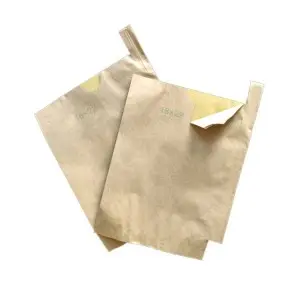
The versatility of modern fruit protection bags allows for their application across a wide spectrum of horticultural environments and fruit types. Our products provide tailored solutions for specific challenges encountered in fruit cultivation.
Diverse Application Scenarios:
- Apples and Pears: Protection against codling moths, apple maggots, scab, and bitter pit, leading to unblemished, high-grade fruit. The bags also assist in developing uniform color by modulating light exposure.
- Grapes: Safeguarding bunches from bird damage, powdery mildew, and insect vectors (e.g., grape berry moth). They also prevent cluster rot by providing a dry microclimate.
- Mangoes and Lychees: Critical for preventing sun scald, fruit fly infestation, and anthracnose. Bags ensure clean skin and optimal fruit appearance, especially in tropical climates.
- Peaches and Nectarines: Protection from oriental fruit moths, brown rot, and bacterial spot. Bags maintain smooth skin texture and reduce the need for extensive chemical sprays.
- Citrus Fruits: Defending against fruit flies, wind rub, and disease transmission, leading to higher quality, blemish-free produce.
- Delicate Berries: For larger berries, bags offer protection from birds and hail, reducing physical damage and spoilage.
Core Technical Advantages:
- Pest and Disease Exclusion: The primary benefit is the physical barrier against a wide array of insects, birds, and fungal spores. This significantly reduces reliance on chemical pesticides, aligning with organic farming practices and minimizing environmental impact.
- Environmental Stress Protection: Our bags mitigate damage from harsh weather conditions, including hailstones, strong winds, and excessive sunlight (sunburn), which can severely compromise fruit quality and yield.
- Optimized Microclimate: The breathable material allows for adequate air circulation, preventing excessive humidity inside the bag which can lead to fungal growth, while also stabilizing temperature fluctuations around the developing fruit. This also protects against excessive water from heavy rainfall, maintaining fruit integrity.
- Enhanced Fruit Aesthetics & Quality: By shielding fruits from external abrasions, insect bites, and uneven light exposure, the bags promote uniform color development, smoother skin, and a blemish-free appearance, significantly increasing market value.
- Reduced Chemical Residues: A direct consequence of reduced pesticide application is lower chemical residues on the harvested fruit, meeting stringent international food safety standards (e.g., GlobalGAP, FDA).
- Extended Shelf Life: Protecting fruits from physical damage and pathogen exposure during development contributes to improved post-harvest handling and an extended shelf life, reducing waste.
- Pollination Considerations: While bags are applied after fruit set, the overall reduction in chemical use due to their application indirectly supports healthier pollinator populations, which are vital for future fruit development from different pollen types and the success of plant pollen dissemination.
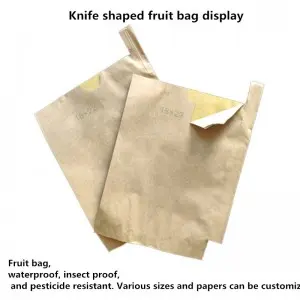
These integrated advantages position our FRUIT BAGGING solutions as an indispensable tool for modern, high-value fruit production, offering a clear return on investment through improved yield, quality, and market acceptance.
Vendor Comparison and Customized Solutions
Selecting the right supplier for fruit paper bags is critical for optimizing agricultural outcomes. While many vendors offer basic solutions, JML Pollen differentiates itself through superior material science, rigorous quality control, and comprehensive customization capabilities. Below is a comparison illustrating key differentiating factors:
Vendor Comparison Table:
| Feature/Parameter | JML Pollen (FRUIT BAGGING Series) | Typical Competitor A (Standard Bag) | Typical Competitor B (Economy Bag) |
|---|---|---|---|
| Material Quality | Premium multi-layer, high wet-strength Kraft, bio-coating | Single/double-layer Kraft, minimal coating | Basic single-layer paper, no special coating |
| Water Resistance | Excellent (≥1500mm H2O) | Moderate (500-800mm H2O) | Limited (absorbent) |
| Insect Proofing | Superior (multi-layer, tight seals) | Good (basic barrier) | Basic physical barrier only |
| Bird Damage Protection | High (reinforced layers, robust design) | Moderate | Low (easily torn) |
| UV/Sunburn Protection | Optimized (90-95% UV-B blockage, light reflection) | Partial (material opacity) | Minimal |
| Customization Options | Extensive (size, color, printing, coatings) | Limited (size, basic branding) | None |
| Certifications | ISO 9001, Food-grade material compliance (e.g., FDA standards for components) | Basic material safety | None specified |
Tailored Customized Solutions:
Recognizing that diverse crops and growing regions present unique challenges, JML Pollen offers extensive customization services for our fruit bagging solutions. Our technical team collaborates closely with clients to develop bags that perfectly match their specific requirements:
- Size and Shape: Bags can be manufactured in virtually any dimension or configuration to accommodate different fruit varieties (e.g., elongated bags for bananas, round for apples, conical for grapes) and growth stages.
- Material Composition: Adjustments to paper thickness, number of layers, and pulp blend (e.g., higher wet strength for humid climates, increased opacity for color control) are standard.
- Specialized Coatings: Application of coatings for enhanced UV reflection, targeted pest repellency (e.g., specific pheromone-disrupting layers), anti-fog properties, or antifungal treatments.
- Color and Light Transmission: Different bag colors can be engineered to either promote specific fruit coloration (e.g., red apple pigmentation) or offer maximum light blockage for delicate fruits.
- Ventilation and Breathability: Custom perforation patterns or material porosities can be designed to achieve optimal air exchange rates for particular fruit respiration needs.
- Branding and Information: Custom printing with company logos, fruit variety information, or QR codes for traceability can be incorporated.
Our agile manufacturing process, backed by an ISO 9001 certified quality management system, ensures that bespoke solutions maintain the highest standards of performance and reliability, reinforcing our position as an authoritative partner in agricultural innovation.
Application Case Studies and Customer Success
The efficacy of our FRUIT BAGGING, INSECT PROOF, WATERPROOF, AND BIRD PROOF solutions is best demonstrated through real-world application. Our partnerships with leading agricultural enterprises worldwide attest to the tangible benefits delivered by our advanced fruit paper bags.
Case Study 1: Premium Apple Orchard in Washington State
Challenge: A large-scale apple orchard specializing in high-value varietals faced significant losses due to codling moth infestation, sunburn, and hail damage, necessitating multiple pesticide applications and resulting in a high percentage of downgraded fruit.
Solution: JML Pollen supplied customized multi-layer fruit paper bags with enhanced UV protection and integrated insect barriers, applied post-thinning.
- Results (Year 1):
- Reduced pesticide applications by 60% during the bagging period.
- >95% reduction in codling moth damage on bagged fruits.
- Elimination of sunburn and hail damage on bagged fruits.
- Increase in Grade A fruit proportion from 70% to 92%.
- Customer Feedback: "JML Pollen's bags revolutionized our quality control. We've significantly cut chemical costs and our premium fruit output has never been higher." - Orchard Manager.
Case Study 2: Organic Mango Farm in Queensland, Australia
Challenge: An organic mango farm struggled with fruit fly infestations and severe wind rub, leading to considerable yield loss and compromised organic certification viability due to the need for physical barriers or organic-approved sprays.
Solution: We provided bespoke, breathable, insect-proof fruit paper bags designed for tropical conditions, applied shortly after fruit set.
- Results (Year 2):
- Near-elimination of fruit fly damage on bagged mangoes (below 0.5% incidence).
- Reduction in wind rub and physical blemishes by 85%.
- 30% increase in market value due to superior fruit appearance and certified organic status.
- Customer Feedback: "These bags are a game-changer for organic growers. They protect our fruit perfectly without compromising our organic integrity." - Farm Owner.
These case studies illustrate the profound impact our specialized bagging solutions have on protecting investment, increasing profitability, and promoting sustainable agriculture across diverse geographical and climatic conditions.
Trustworthiness and Support: Your Partner in Fruit Protection
Frequently Asked Questions (FAQ):
A: Our FRUIT BAGGING solutions are primarily designed for single-season use to ensure maximum hygienic protection and consistent performance. While physically robust, agricultural best practices generally recommend fresh bags each season to prevent disease carry-over and maintain optimal protective properties.
Q: How do these bags affect fruit ripening and color?A: Our bags are engineered with specific light transmission properties to either promote uniform color development or prevent excessive sun exposure, depending on the fruit and client requirements. Breathability ensures proper gas exchange, crucial for healthy ripening without trapping excessive humidity or ethylene.
Q: Are the materials environmentally friendly?A: Yes, we prioritize sustainability. Our paper stock is sourced from responsibly managed forests, and our coatings are often biodegradable or compostable (for specific product lines), aligning with global environmental standards.
Q: Can these bags withstand heavy rainfall and wind?A: Absolutely. Our multi-layer construction and specialized waterproof coatings provide excellent resistance to heavy rainfall, preventing water ingress. The high tensile and bursting strength of the paper ensures durability against strong winds and physical abrasion.
Lead Time and Fulfillment:
Our standard lead time for stock fruit paper bags is typically 2-4 weeks, depending on order volume and current production schedules. For customized solutions, lead times may vary, usually ranging from 6-10 weeks to accommodate design, prototyping, and specialized material procurement. We maintain robust supply chain logistics to ensure timely delivery to agricultural operations globally. Expedited shipping options are available upon request to meet critical planting schedules.
Warranty Commitments:
JML Pollen stands behind the quality and performance of its FRUIT BAGGING products. We offer a comprehensive warranty against manufacturing defects and material failures under normal use conditions for the intended growing season. Our commitment is to provide products that meet or exceed the published technical specifications. Specific warranty details are outlined in our terms of sale and can be provided upon request.
Customer Support and Technical Assistance:
Our dedication to client success extends beyond product delivery. JML Pollen provides expert technical support and after-sales service, including:
- Horticultural Consultation: Guidance on optimal bag selection and application techniques for specific fruit varieties and regional conditions.
- Problem Resolution: Responsive support for any product-related inquiries or performance issues.
- Training Resources: Provision of detailed application guides and best practice documentation to maximize the benefits of our products.
- Dedicated Account Management: A single point of contact for streamlined communication and personalized service.
Our team of experts is accessible via phone, email, and online portals, ensuring that our B2B partners receive the timely and knowledgeable assistance they require to achieve their agricultural goals.
Citations
- FAO. The State of Food and Agriculture (SOFA) 2023. Food and Agriculture Organization of the United Nations.
- USDA. Economic Research Service. Fruit and Tree Nuts Outlook. U.S. Department of Agriculture.
- International Society for Horticultural Science (ISHS) Acta Horticulturae Journal (various articles on fruit bagging and protection).
- Journal of Agricultural and Food Chemistry (American Chemical Society).
- "Biodegradable Plastics and Polymers" - ScienceDirect.
-
OEM Plum Pollen Quest Exploring Global Sourcing and Quality Solutions
NewsJan.28,2026
-
OEM Pear Pollen Do Sourcing Benefits and Applications for Enhanced Products
NewsJan.27,2026
-
Discover High Quality Cheap Plum Pollen For Enhanced Wellness
NewsJan.27,2026
-
OEM Fruit Tree Netting Bags – Durable, Custom, and Trusted by Growers
NewsJan.06,2026
-
OEM Apricot Pollen on Trees – Quality Insights & Vendor Comparison
NewsJan.06,2026
-
OEM Pear Flower Powder for Pollination | Enhance Your Pear Garden Yield
NewsJan.06,2026
 Afrikaans
 Albanian
 Amharic
 Arabic
 Armenian
 Azerbaijani
 Basque
 Belarusian
 Bengali
 Bosnian
 Bulgarian
 Catalan
 Cebuano
 Corsican
 Croatian
 Czech
Czech
 Danish
 Dutch
Dutch
 Esperanto
 Estonian
 Finnish
 French
 Frisian
 Galician
 Georgian
 German
 Greek
Greek
 Gujarati
 Haitian Creole
 Hausa
Hausa
 Hawaiian
 Hebrew
 Hindi
Hindi
 Miao
Miao
 Hungarian
 Icelandic
 Igbo
Igbo
 Indonesian
 Irish
Irish
 Italian
 Japanese
 Javanese
 Kannada
 Kazakh
 Khmer
Khmer
 Rwandese
 Korean
 Kurdish
 Kyrgyz
 Lao
Lao
 Latin
Latin
 Latvian
 Lithuanian
 Luxembourgish
 Macedonian
 Malgashi
 Malay
Malay
 Malayalam
 Maltese
 Maori
Maori
 Marathi
 Mongolian
 Myanmar
 Nepali
 Norwegian
 Norwegian
 Occitan
 Pashto
 Persian
 Polish
 Portuguese
 Punjabi
 Romanian
 Russian
 Samoan
 Scottish Gaelic
 Serbian
 Sesotho
 Shona
Shona
 Sindhi
 Sinhala
 Slovak
 Slovenian
 Somali
 Spanish
 Sundanese
 Swahili
 Swedish
 Tagalog
 Tajik
Tajik
 Tamil
Tamil
 Tatar
Tatar
 Telugu
 Thai
Thai
 Turkish
 Turkmen
 Ukrainian
 Urdu
Urdu
 Uighur
 Uzbek
Uzbek
 Vietnamese
 Welsh
Welsh
 Bantu
Bantu
 Yiddish
 Yoruba
 Zulu
Zulu
 English