Sep . 19, 2025 16:50 Back to list
Premium Fruit Paper Bags: Protect & Ripen Your Harvest Naturally
Industry Trends and the Evolution of Fruit Protection
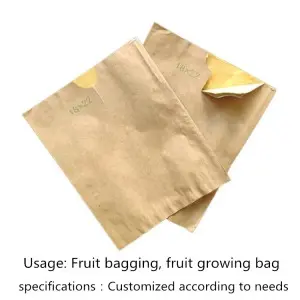
The agricultural sector, particularly fruit cultivation, faces persistent challenges from pests, diseases, adverse weather conditions, and environmental contaminants. In response, innovative protective solutions have become critical. A significant advancement in this domain is the development and widespread adoption of fruit paper bags. These specialized bags represent a paradigm shift from traditional, often chemical-intensive, protection methods towards more sustainable and physically deterrent approaches.
Global trends indicate a surging demand for organic and residue-free produce. Consumers and regulatory bodies alike are pushing for reduced pesticide use, making physical barriers like these protective bags indispensable. Beyond pest control, they also mitigate risks associated with sunscald, wind damage, and even bird predation, leading to higher yields of premium-grade fruit. The market for agricultural protective solutions is expanding rapidly, driven by technological advancements in material science, increased awareness of environmental impact, and a focus on food safety. The integration of advanced materials and manufacturing techniques has transformed simple paper bags into high-performance protective tools, ensuring fruit quality from bloom to harvest.
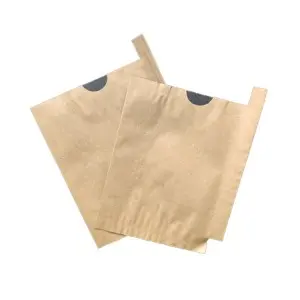
Moreover, the discussion around fruit protection is intrinsically linked to factors like pollen types and ensuring optimal fruit set, followed by the rigorous protection of the developing fruit. While our primary focus is on post-pollination protection, the overarching goal remains maximizing the viability and quality of the crop, for which robust fruit bagging plays a critical role.
Manufacturing Process: Precision in Protective Paper Bag Production
The production of high-performance fruit paper bags involves a sophisticated multi-stage manufacturing process, ensuring each bag meets stringent quality and performance criteria. This is not merely paper conversion; it's a specialized engineering process focused on durability, breathability, and resistance.
Process Flow Overview:
- Material Sourcing & Preparation: High-grade virgin pulp, often from sustainably managed forests, is selected. Key properties include wet strength, tear resistance, and breathability. Specialized additives for waterproofing, UV resistance, and insect repellency are integrated into the pulp mixture. The base paper typically ranges from 40-70 GSM (grams per square meter), optimized for weight, strength, and light transmission.
- Paper Formation & Coating: The pulp is processed into sheets on advanced paper machines. Depending on the specific product requirement, a multi-layer structure might be formed. Subsequent coating processes, such as wax or specialized polymer application, are carried out to impart waterproofing and UV resistance without compromising breathability, which is crucial for fruit respiration and preventing fungal growth.
- Cutting & Shaping (CNC Precision): Large paper rolls are fed into automated CNC (Computer Numerical Control) cutting machines. These machines precisely cut the paper into various shapes and sizes required for different fruit types, ensuring consistent dimensions and minimal material waste. This precision is vital for the bags to fit correctly and provide optimal protection.
- Assembly & Sealing: The cut paper pieces are then assembled. This often involves heat-sealing or specialized adhesive application, forming the bag structure. For advanced designs, a multi-layered construction might include an inner layer for light regulation and an outer layer for weather resistance. Integrated features like wire ties or drawstring closures are attached in this stage.
- Quality Control & Testing: Each batch undergoes rigorous testing. This includes:
- Tensile Strength & Tear Resistance: Tested against ISO 1924-2 and ISO 1974 standards to ensure structural integrity under field conditions.
- Water Repellency (Cobb Test): Evaluated according to ISO 535 to quantify water absorption over time.
- UV Resistance: Accelerated weathering tests simulate prolonged sun exposure to assess material degradation.
- Breathability (Gurley Hill Porosity): Measures airflow to ensure adequate ventilation for fruit.
- Insect Penetration Resistance: Empirical tests using common fruit pests to validate barrier effectiveness.
- Packaging & Sterilization: Finished bags are packed in sterile conditions to prevent contamination, ready for distribution.
The service life of these bags typically ranges from a single season (e.g., 3-6 months) to potentially longer for multi-season varieties, depending on environmental exposure and specific material composition. Target industries include high-value fruit cultivation such as apples, pears, grapes, pomegranates, and citrus, where crop protection translates directly into significant economic gains.
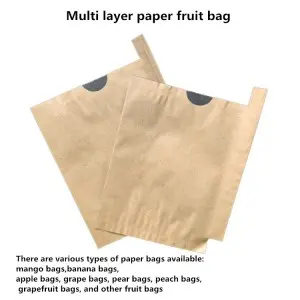
Technical Specifications of FRUIT BAGGING, INSECT PROOF, WATERPROOF, AND BIRD PROOF Bags
Our specialized fruit paper bags are engineered to provide multi-faceted protection, tailored for specific horticultural requirements. Below are the typical technical specifications for our premium product, ensuring optimal fruit development and market readiness.
These specifications are crucial for B2B decision-makers assessing the efficacy and return on investment for their orchards. The precise engineering ensures that farmers can rely on these bags for consistent performance throughout the growing season, protecting their yield from a myriad of threats while promoting healthy fruit development.
Application Scenarios and Technical Advantages
The utility of fruit paper bags extends across diverse horticultural applications, offering significant technical advantages that contribute to superior crop quality and operational efficiency. These bags are designed for practical, real-world challenges faced by fruit growers.
Typical Application Scenarios:
- Apple & Pear Orchards: Applied post-thinning, bags protect against codling moths, apple maggots, sunscald, and fungal infections, ensuring blemish-free skin and uniform ripening. This is particularly crucial for premium varieties destined for export.
- Grape Vineyards: Small, porous bags protect grape bunches from bird damage, wasp attacks, and rain-induced splitting, while allowing proper ventilation to prevent botrytis. The material choice supports ambient light conditions necessary for grape sugar development.
- Pomegranate & Citrus Groves: Protection against fruit flies, wind rub, and branch damage, which can severely impact rind quality. The waterproof nature prevents waterlogging and disease proliferation in humid conditions.
- Exotic Fruit Cultivation (e.g., Mango, Dragon Fruit): Essential for protecting sensitive skins from insect stings and maintaining ideal microclimates for development, particularly in regions with high pest pressure.
Technical Advantages:
- Pest and Disease Control (Chemical Reduction): By creating a physical barrier, these bags drastically reduce the need for chemical pesticides and fungicides. This translates to lower operational costs, reduced environmental impact, and healthier produce, a critical factor for markets sensitive to pesticide residues. This also minimizes exposure to harmful chemicals for farm workers.
- Enhanced Fruit Quality & Market Value: Fruits protected by bags exhibit superior epidermal quality—smoother skin, fewer blemishes, and more uniform color. This often results in higher grading, increased marketability, and premium pricing, offering significant return on investment for growers. The bags filter harmful UV rays while allowing beneficial light, influencing fruit pigmentation positively.
- Protection from Environmental Stressors: Bags shield fruits from adverse weather conditions such as excessive direct sunlight (preventing sunscald), hail damage, and strong winds. The waterproof barrier prevents waterlogging and subsequent cracking, especially important for fruits during periods of heavy rainfall.
- Improved Post-Harvest Shelf Life: By protecting fruits from minor abrasions and pathogen entry points during development, the bags contribute to a longer post-harvest shelf life, reducing spoilage and extending market windows.
- Sustainability and Eco-Friendliness: Made from biodegradable paper, these bags offer an environmentally responsible alternative to plastic-based solutions. Their role in reducing chemical inputs further underscores their ecological benefit.
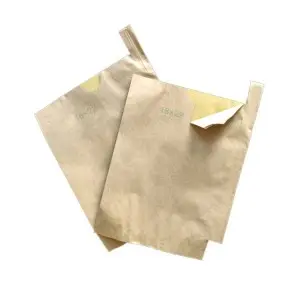
The targeted protection offered by these bags minimizes losses attributable to biotic and abiotic factors, thereby optimizing resource utilization and boosting overall orchard productivity. This is particularly relevant when considering the delicate nature of fruit development post-pollination, where protecting the nascent fruit from threats is as crucial as the viability of the plant pollen itself.
Vendor Comparison and Customized Solutions
When selecting a supplier for fruit paper bags, discerning B2B clients evaluate several critical factors beyond just price. The choice of vendor impacts everything from fruit quality to long-term operational costs and sustainability goals. Our approach focuses on a comprehensive value proposition.
Key Considerations in Vendor Comparison:
Customized Solutions for Unique Agricultural Needs:
Recognizing that no two orchards are identical, we specialize in providing bespoke solutions. Our customization capabilities extend to:
- Tailored Dimensions and Shapes: From small cherry bags to large mango bags, we engineer specific dimensions and forms to perfectly fit various fruit sizes and growth patterns.
- Variable Light Transmission: Customizing the paper opacity and coating allows for precise control over light exposure, critical for fruits that require specific light regimes for optimal coloration (e.g., apples needing red blush, or fruits needing less direct sun).
- Enhanced Breathability: Adjusting paper porosity and ventilation hole patterns for regions with high humidity to prevent fungal issues while maintaining waterproofing.
- Specialized Coatings: Incorporating additional functionalities such as enhanced anti-fungal treatments, specific pest deterrents (e.g., against particular local insect species), or even reflective properties to manage heat.
- Branding and Identification: Options for printing logos, farm names, or specific fruit variety codes on the bags for improved traceability and brand recognition.
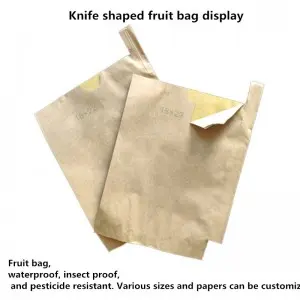
Our team of agricultural specialists works closely with clients to understand their specific environmental conditions, fruit varieties, and market demands, designing a fruit paper bags solution that maximizes yield and quality while minimizing input costs.
Application Case Studies and Customer Feedback
Our commitment to delivering high-quality fruit paper bags is validated through successful deployments and positive feedback from our global clientele. These case studies highlight the tangible benefits realized by professional fruit growers.
Case Study 1: Premium Apple Orchard in the Pacific Northwest (USA)
An established apple grower specializing in Fuji and Gala varieties faced consistent challenges with codling moth damage and sunscald, leading to significant downgrading of marketable fruit. Traditional spray programs were costly and increasingly less effective due to pest resistance.
- Solution: Implementation of our dual-layer, UV-resistant fruit paper bags on 50,000 developing apples shortly after fruit set.
- Results:
- 95% Reduction in Insect Damage: Compared to an unsleeved control group, insect-related defects dropped from 12% to less than 0.5%.
- 80% Decrease in Sunscald: Leading to a significantly higher proportion of Grade A fruit.
- 25% Reduction in Pesticide Costs: Due to fewer targeted sprays.
- Increased Market Value: The blemish-free fruit commanded a 15% premium at market.
- Customer Feedback: "Our harvest quality has never been better. These bags paid for themselves threefold just in the first season by reducing losses and increasing our premium fruit yield. The consistency and durability were exceptional."
Case Study 2: Organic Grape Vineyard in Bordeaux (France)
An organic vineyard struggled with bird predation on ripening grape bunches and sporadic botrytis (grey mold) during humid periods, compromising organic certification and yield quality.
- Solution: Deployment of custom-sized, highly breathable fruit paper bags with specialized ventilation perforations across 20,000 grape clusters.
- Results:
- Near-Zero Bird Damage: Elimination of losses due to birds.
- Minimized Botrytis Incidence: The improved microclimate within the bags, despite high humidity, kept mold incidence below 2%, compared to 8-10% in control areas.
- Maintained Organic Integrity: No need for chemical interventions.
- Consistent Sugar Levels: Bags maintained optimal light and temperature, aiding uniform ripening.
- Customer Feedback: "These bags were a game-changer for our organic production. They allowed us to protect our harvest naturally and significantly improved the consistency of our grape quality, critical for our vintage wines. The breathability was key."
These testimonials underscore the practical benefits and return on investment offered by our precisely engineered fruit protection solutions. We are proud to contribute to the success of diverse agricultural operations worldwide.
Trustworthiness: FAQ, Lead Time, Warranty, and Support
Building long-term partnerships with our B2B clients relies on transparency, reliability, and robust support. We address common concerns and outline our commitment to customer satisfaction.
Frequently Asked Questions (FAQ):
- Q: Are the fruit paper bags truly waterproof?
A: Yes, our bags feature specialized polymer or wax coatings that provide significant water repellency, protecting fruit from rain and humidity while maintaining essential breathability to prevent fungal growth.
- Q: How long can the bags stay on the fruit?
A: Our bags are designed for full-season use, typically 3-6 months, depending on local environmental conditions and the fruit's growth cycle. Their UV resistance and wet strength ensure durability throughout this period.
- Q: Are the bags eco-friendly and biodegradable?
A: Primarily made from virgin wood pulp, our bags are designed to be biodegradable. The coatings are carefully selected to minimize environmental impact, aligning with sustainable agricultural practices.
- Q: Can the bags protect against all types of insects?
A: The physical barrier is highly effective against most common fruit pests like fruit flies, moths, and aphids. For specific localized threats, customized bags with additional deterrents can be developed.
- Q: Do the bags affect fruit ripening or coloration?
A: Our bags are engineered to filter specific wavelengths of light, promoting even ripening and enhanced coloration for many fruit varieties. Customized light transmission options are available to meet specific fruit requirements, ensuring optimal visual appeal.
Lead Time and Fulfillment Details:
We maintain efficient production lines and robust supply chain management to ensure timely delivery. Standard lead times are typically:
- Standard Orders: 2-4 weeks from order confirmation to shipment.
- Customized Orders: 4-6 weeks, allowing for design, prototyping, and specialized material sourcing.
- Large Volume Orders: Subject to specific project planning; dedicated account managers will provide detailed timelines.
Expedited shipping options are available upon request to accommodate urgent agricultural seasons.
Warranty Commitments:
Our fruit paper bags are backed by a performance warranty, guaranteeing protection against manufacturing defects and premature degradation under normal use conditions for a period of one full growing season (typically 6 months from application). This warranty covers material integrity, waterproofing, and structural strength as per our advertised specifications. Detailed warranty terms are available upon request and provided with every order.
Customer Support Information:
Our dedicated customer support team and horticultural experts are available to assist with product selection, application guidance, and technical inquiries.
- Technical Assistance: Consult with our agricultural engineers for optimized bagging strategies tailored to your specific crops and climate.
- Order Support: For inquiries regarding orders, shipments, or general product information.
- Contact Information: Please visit our website's contact section or reach out to your designated account manager for prompt assistance.
We are committed to providing unparalleled support to ensure your success in fruit cultivation, from the initial consultation to post-harvest evaluation.
Conclusion
The strategic adoption of advanced fruit paper bags marks a pivotal evolution in modern horticulture. These engineered solutions provide comprehensive protection against a multitude of environmental and biological threats, fundamentally enhancing fruit quality, reducing reliance on chemical interventions, and bolstering overall agricultural sustainability. By combining robust material science with precise manufacturing, these bags ensure that growers can consistently achieve higher yields of premium-grade produce, securing both economic viability and ecological responsibility.
Our commitment to innovation, quality assurance, and tailored customer solutions ensures that our partners are equipped with the best possible tools for success in a competitive global market. The long-term benefits of investing in high-quality fruit protection bags extend far beyond a single harvest, contributing to healthier ecosystems and more profitable, sustainable farming practices.
References:
- Sharma, S., & Singh, R. (2018). Fruit Bagging: An Eco-Friendly Approach for Quality Production. In: Fruit Production and Quality Improvement. Springer, Singapore.
- Horticultural Reviews (Vol. 42). (2014). John Wiley & Sons. ISBN: 978-1118835824.
- Food and Agriculture Organization of the United Nations (FAO). (2020). The State of the World's Biodiversity for Food and Agriculture. FAO, Rome.
- International Organization for Standardization (ISO) official website. (Various Standards: ISO 1924-2, ISO 535, ISO 2758).
-
OEM Plum Pollen Quest Exploring Global Sourcing and Quality Solutions
NewsJan.28,2026
-
OEM Pear Pollen Do Sourcing Benefits and Applications for Enhanced Products
NewsJan.27,2026
-
Discover High Quality Cheap Plum Pollen For Enhanced Wellness
NewsJan.27,2026
-
OEM Fruit Tree Netting Bags – Durable, Custom, and Trusted by Growers
NewsJan.06,2026
-
OEM Apricot Pollen on Trees – Quality Insights & Vendor Comparison
NewsJan.06,2026
-
OEM Pear Flower Powder for Pollination | Enhance Your Pear Garden Yield
NewsJan.06,2026
 Afrikaans
 Albanian
 Amharic
 Arabic
 Armenian
 Azerbaijani
 Basque
 Belarusian
 Bengali
 Bosnian
 Bulgarian
 Catalan
 Cebuano
 Corsican
 Croatian
 Czech
Czech
 Danish
 Dutch
Dutch
 Esperanto
 Estonian
 Finnish
 French
 Frisian
 Galician
 Georgian
 German
 Greek
Greek
 Gujarati
 Haitian Creole
 Hausa
Hausa
 Hawaiian
 Hebrew
 Hindi
Hindi
 Miao
Miao
 Hungarian
 Icelandic
 Igbo
Igbo
 Indonesian
 Irish
Irish
 Italian
 Japanese
 Javanese
 Kannada
 Kazakh
 Khmer
Khmer
 Rwandese
 Korean
 Kurdish
 Kyrgyz
 Lao
Lao
 Latin
Latin
 Latvian
 Lithuanian
 Luxembourgish
 Macedonian
 Malgashi
 Malay
Malay
 Malayalam
 Maltese
 Maori
Maori
 Marathi
 Mongolian
 Myanmar
 Nepali
 Norwegian
 Norwegian
 Occitan
 Pashto
 Persian
 Polish
 Portuguese
 Punjabi
 Romanian
 Russian
 Samoan
 Scottish Gaelic
 Serbian
 Sesotho
 Shona
Shona
 Sindhi
 Sinhala
 Slovak
 Slovenian
 Somali
 Spanish
 Sundanese
 Swahili
 Swedish
 Tagalog
 Tajik
Tajik
 Tamil
Tamil
 Tatar
Tatar
 Telugu
 Thai
Thai
 Turkish
 Turkmen
 Ukrainian
 Urdu
Urdu
 Uighur
 Uzbek
Uzbek
 Vietnamese
 Welsh
Welsh
 Bantu
Bantu
 Yiddish
 Yoruba
 Zulu
Zulu
 English