Apple pollination method is a cornerstone of modern agriculture, crucial for ensuring the production of one of the world's most popular fruits. Its efficiency directly impacts global food security and the economic viability of countless orchards. Understanding the intricacies of apple pollination – from the roles of pollinators like bees to the implementation of managed pollination strategies – is paramount for maximizing yields and maintaining the health of apple ecosystems.
The demand for apples continues to rise globally, fueled by increasing populations and shifting dietary preferences. However, natural pollination rates are often insufficient to meet this demand, particularly with the decline of wild pollinator populations. This has led to a greater reliance on managed pollination methods, including the introduction of honeybee colonies to orchards during bloom.
Effective apple pollination isn’t merely about ensuring fruit set; it’s about maximizing fruit size, quality, and uniformity. This impacts everything from market value to consumer satisfaction. Advances in understanding apple floral biology and pollinator behavior have driven innovations in orchard management practices, ultimately increasing the efficiency and sustainability of apple production.

Introduction to Apple Pollination Method
Understanding the apple pollination method is fundamental to successful orchard management. Apples, unlike some other fruit trees, require cross-pollination – meaning pollen from a different apple variety must be transferred to the flower for fertilization to occur. This reliance on genetic diversity necessitates careful orchard planning and, frequently, the introduction of pollinizer varieties. apple pollination method is critical to a viable harvest.
Effective apple pollination isn’t just about having bees present; it's about the right bees, at the right time, and ensuring they have access to flowers that are receptive to pollination. Factors like temperature, humidity, and the timing of bloom all play significant roles. Modern apple pollination method considers these complex interactions to optimize fruit set and yield.
FAQS
The ideal bee density varies depending on orchard size, apple variety, and environmental conditions, but a general guideline is 1-3 hives per acre. However, simply having hives isn't enough; the bees must be healthy and actively foraging during bloom. Ensuring sufficient forage resources and minimizing pesticide exposure are crucial for maximizing bee foraging efficiency and ensuring adequate apple pollination method. Effective monitoring of bee activity can help optimize hive placement and timing of releases.
Weather plays a critical role. Temperatures below 55°F (13°C) can significantly reduce bee activity, hindering pollination. Rain and strong winds can also wash away pollen and disrupt bee foraging. Frost can damage blossoms, rendering them incapable of being pollinated. Monitoring weather forecasts and implementing protective measures, such as frost protection systems, are essential for maximizing pollination success.
While most apple varieties benefit from or require cross-pollination, some are considered partially self-fruitful, meaning they can set some fruit without pollen from another variety. However, even these varieties typically produce larger and more abundant crops when cross-pollinated. Always check the pollination requirements of specific apple varieties when planning an orchard layout and ensure compatible pollinizers are present.
Promoting native bee populations is a key sustainable alternative. This involves creating pollinator-friendly habitat, reducing pesticide use, and providing nesting sites. Other options include managed bumblebees and solitary bees. Utilizing a diverse range of pollinators can enhance pollination efficiency and reduce reliance on a single species, making the apple pollination method more resilient.
Monitor fruit set (the percentage of flowers that develop into fruit) and fruit size. A low fruit set or small fruit size may indicate inadequate pollination. Additionally, observe bee activity during bloom – are bees actively visiting flowers? Assessing pollen tube growth under a microscope can provide a more precise measure of pollination success.
Hand pollination is the manual transfer of pollen from one flower to another, typically using a small brush. It's most often used in small orchards, research settings, or when natural pollination is limited due to unfavorable weather conditions or a lack of pollinators. While labor-intensive, it ensures pollination and can be particularly valuable for breeding programs.
Conclusion
In conclusion, the apple pollination method is a complex interplay of biological, environmental, and agricultural factors. Effective pollination is not merely a technical process but a crucial element in ensuring food security, supporting ecological sustainability, and maximizing the economic viability of apple orchards worldwide. A comprehensive understanding of pollinator needs, floral biology, and orchard management is essential for success.
Looking ahead, embracing innovative technologies, promoting biodiversity, and prioritizing sustainable practices will be paramount for safeguarding the future of apple production. By investing in research, education, and collaborative efforts, we can ensure that apple orchards continue to thrive and provide a valuable source of nutrition for generations to come. Visit our website for more information: apple pollination method.
Related Posts
-
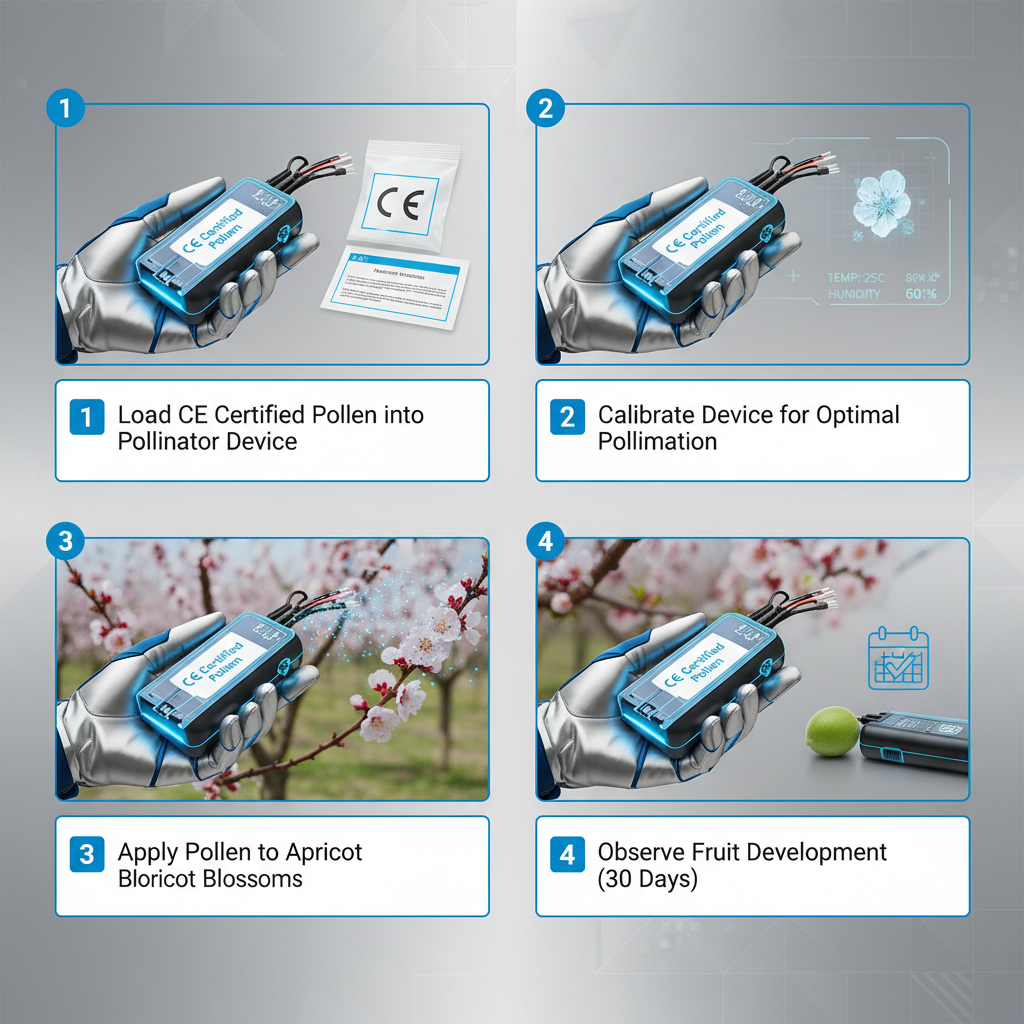
Ce Certification Pollen for Pollination in Apricot Orchard Enhances Fruit Yields
-

Optimizing Apple Production Through Varieties Suitable for Collecting Apple Pollen
-
Why Is China Leading Pear Pollen Supplier Showcasing Innovation at Macfrut?
-

The Vital Role of Good Kiwi Pollen in Agriculture and Horticultural Advancements

 English
  Afrikaans
  Albanian
  Amharic
  Arabic
  Armenian
  Azerbaijani
  Basque
  Belarusian
  Bengali
  Bosnian
  Bulgarian
  Catalan
  Cebuano
  Corsican
  Croatian
  Czech
Czech  Danish
  Dutch
Dutch  Esperanto
  Estonian
  Finnish
  French
  Frisian
  Galician
  Georgian
  German
  Greek
Greek  Gujarati
  Haitian Creole
  Hausa
Hausa  Hawaiian
  Hebrew
  Hindi
Hindi  Miao
Miao  Hungarian
  Icelandic
  Igbo
Igbo  Indonesian
  Irish
Irish  Italian
  Japanese
  Javanese
  Kannada
  Kazakh
  Khmer
Khmer  Rwandese
  Korean
  Kurdish
  Kyrgyz
  Lao
Lao  Latin
Latin  Latvian
  Lithuanian
  Luxembourgish
  Macedonian
  Malgashi
  Malay
Malay  Malayalam
  Maltese
  Maori
Maori  Marathi
  Mongolian
  Myanmar
  Nepali
  Norwegian
  Norwegian
  Occitan
  Pashto
  Persian
  Polish
  Portuguese
  Punjabi
  Romanian
  Russian
  Samoan
  Scottish Gaelic
  Serbian
  Sesotho
  Shona
Shona  Sindhi
  Sinhala
  Slovak
  Slovenian
  Somali
  Spanish
  Sundanese
  Swahili
  Swedish
  Tagalog
  Tajik
Tajik  Tamil
Tamil  Tatar
Tatar  Telugu
  Thai
Thai  Turkish
  Turkmen
  Ukrainian
  Urdu
Urdu  Uighur
  Uzbek
Uzbek  Vietnamese
  Welsh
Welsh  Bantu
Bantu  Yiddish
  Yoruba
  Zulu
Zulu