Sep . 11, 2025 09:00 Back to list
Premium Plant Pollen for Pure Pollination & Pollen Block Solutions
Industry Trends in Advanced Pollination Solutions
The global agricultural and nutraceutical sectors are experiencing a transformative shift towards sustainable and high-efficiency solutions. Central to this evolution is the increasing demand for specialized plant pollen, a critical component for optimizing crop yields, enhancing biodiversity, and formulating high-value natural products. Market analysis indicates a Compound Annual Growth Rate (CAGR) of 6.5% for the global agricultural biologicals market, with a significant portion attributed to bio-stimulants and pollination enhancers. This surge is driven by several factors, including the need for increased food production to support a growing global population, the detrimental effects of climate change on natural pollinators, and a heightened consumer preference for organic and sustainably sourced ingredients. Advanced solutions leveraging specific plant pollen varieties are becoming indispensable for targeted fertilization, especially in controlled environment agriculture (CEA) and for specialty crops that require precise pollination timing and genetic purity. The focus is not only on quantity but also on the quality and viability of pollen, ensuring maximum efficacy and return on investment for agricultural enterprises and product manufacturers.
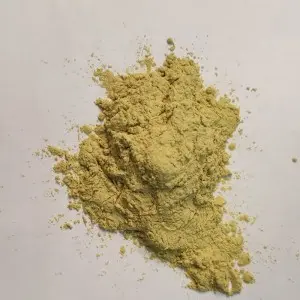
Image: High-quality apricot pollinated pollen, illustrating the meticulous sourcing and processing required for B2B applications.
Process Flow: From Harvest to High-Purity Pollen
The manufacturing process of high-quality plant pollen for commercial applications is a sophisticated multi-stage operation designed to ensure purity, viability, and potency. Our methodology, exemplified by products like HIGH QUALITY APRICOT POLLINATED POLLEN, adheres to stringent quality control protocols at every step.
Detailed Manufacturing Steps:
- Anther Collection & Harvesting: Selection of specific plant varieties (e.g., Prunus armeniaca for apricot pollen) at the optimal developmental stage. Anthers, containing the microspores (pollen grains), are carefully collected, often by hand or specialized mechanical means, to prevent contamination and maximize yield. This stage is crucial for ensuring the genetic integrity of the resulting plant pollen.
- Controlled Drying (Desiccation): Freshly harvested anthers undergo a controlled drying process, typically at low temperatures (e.g., 20-25°C) and specific humidity levels, to induce anther dehiscence. This process allows the pollen grains to be released naturally while preserving their viability.
- Pollen Extraction & Separation: After drying, pollen grains are separated from anther tissue and other botanical debris. This often involves sieving, cyclonic separation, or other gentle mechanical methods to isolate the raw pollen. Emphasis is placed on minimizing physical damage to the delicate pollen grains.
- Purification & Filtration: Raw pollen undergoes further purification steps to remove extraneous material, allergens, and non-target biological components. Techniques such as air classification, differential sieving, or proprietary wash protocols are employed to achieve high levels of purity, crucial for products requiring pure pollination.
- Viability Assessment & Quality Control: Samples from each batch are subjected to rigorous testing. Key parameters include pollen viability (e.g., in vitro germination assays), moisture content, microbial load, and absence of heavy metals or pesticides. Our internal standards often exceed international benchmarks like ISO 22000 for food safety management and relevant agricultural industry best practices.
- Freeze-Drying (Lyophilization) & Stabilization: To ensure extended service life and preserve viability during storage and transport, the purified pollen is often freeze-dried. This process removes water through sublimation, resulting in a stable, low-moisture product. Specialized cryoprotectants may be utilized.
- Packaging & Storage: The final product is carefully packaged in airtight, moisture-proof container111s, often under inert gas, and stored in controlled environments (e.g., refrigerated or frozen) to maintain viability and prevent degradation. This ensures the pollen remains effective for its intended application, typically offering a service life of 12-24 months under optimal conditions.
Target Industries & Advantages:
- Agriculture & Horticulture: Essential for targeted crop pollination, especially in orchards (e.g., almonds, apricots, kiwis) and greenhouse cultivation. Advantages include enhanced yield consistency, improved fruit set, and uniform fruit quality. Our plant pollen solutions can increase yields by 15-30% in specific applications, reducing reliance on erratic natural pollinators.
- Nutraceutical & Functional Food: Utilized as a natural ingredient rich in amino acids, vitamins, and minerals. Our high-purity pollen ensures product safety and efficacy, aligning with consumer demand for natural health supplements.
- Cosmetics & Personal Care: Valued for its antioxidant and skin-nourishing properties. The refined processing minimizes allergens, making it suitable for sensitive skin formulations.
- Pharmaceutical Research: Employed in botanical drug development and allergen studies, requiring precise specification and absence of contaminants.
Technical Parameters & Product Specifications
Understanding the intricate technical parameters of plant pollen is paramount for B2B applications, ensuring optimal performance and consistency. Our products, such as HIGH QUALITY APRICOT POLLINATED POLLEN, are meticulously characterized and tested to meet rigorous industry demands.
Key Technical Specifications:
| Parameter | Apricot Pollen (JML Standard) | Industry Standard (Typical Range) |
|---|---|---|
| Purity (% dry weight) | ≥ 99.5% | 95% - 99% |
| Viability (% germination) | ≥ 85% (initial) | 60% - 80% |
| Moisture Content | ≤ 5% | 5% - 10% |
| Particle Size (µm) | 20 - 40 µm (typical) | Variable by species |
| Microbial Count (Total Plate Count) | < 1000 CFU/g | < 10,000 CFU/g |
| Heavy Metals | Below detection limits (FDA/EU standards) | Meets regional regulatory limits |
| Pesticide Residues | Not detected | Meets MRLs (Maximum Residue Limits) |
These specifications highlight our commitment to delivering superior quality. High purity levels minimize the risk of cross-pollination or contamination in sensitive applications. The high initial viability ensures maximum efficacy for targeted pollination, translating directly into improved crop outcomes. Low moisture content and controlled microbial counts are critical for extending shelf life and ensuring product stability, reducing the potential for a pollen block due to aggregation or spoilage.
Image: Microscopic view of meticulously processed plant pollen, ready for industrial application.
Application Scenarios & Technical Advantages
The versatility of our high-quality plant pollen extends across numerous B2B application scenarios, offering distinct technical advantages over traditional methods.
Key Application Areas:
- Commercial Orchard Management: Manual or mechanical pollination of fruit trees (e.g., apples, pears, cherries, almonds, apricots) to overcome insufficient natural pollinator activity, adverse weather conditions during bloom, or self-incompatibility issues. Our pollen ensures a consistent and high fruit set, leading to higher yields and better fruit quality.
- Greenhouse & Controlled Environment Agriculture (CEA): For high-value crops grown indoors, targeted pollen application is critical. It allows for precise control over pollination, avoiding reliance on external factors and ensuring year-round production of crops such as tomatoes, peppers, and specialty fruits.
- Breeding Programs & Seed Production: Crucial for developing new crop varieties or producing hybrid seeds. Precise genetic control is maintained by ensuring pure pollination of selected parent lines, accelerating breeding cycles and enhancing genetic purity.
- Nutraceutical & Cosmetic Formulations: As a natural, bio-active ingredient, pollen is incorporated into dietary supplements, anti-aging creams, and health foods due to its rich nutrient profile and antioxidant properties. Our stringent purification processes guarantee a clean, safe, and effective ingredient.
Technical Advantages:
- Enhanced Efficacy: Our high-viability pollen ensures a greater success rate in fertilization compared to less rigorously processed alternatives. This translates to superior fruit set and quality.
- Purity & Consistency: Advanced processing techniques result in pollen with minimal contaminants, crucial for sensitive applications and ensuring consistent performance batch-to-batch. This mitigates risks associated with cross-pollination.
- Extended Shelf Life: Specialized stabilization methods (e.g., lyophilization, cryopreservation) significantly extend the storage life of pollen while maintaining high viability, providing operational flexibility.
- Optimized Application: Fine particle size and consistent morphology prevent clumping and ensure even distribution during mechanical or manual application, preventing issues like a pollen block in equipment.
- Reduced Environmental Impact: By maximizing crop yield from existing land, our solutions support sustainable agriculture by reducing the need for land expansion and minimizing resource waste.
Image: Robotic pollinator applying plant pollen in a modern greenhouse setting, showcasing efficiency.
Vendor Comparison & Customized Solutions
In the competitive landscape of specialized agricultural inputs and natural ingredients, discerning vendors and offering tailored solutions are critical. Our commitment to quality, backed by robust certifications and deep expertise, sets us apart.
Key Differentiators in Pollen Sourcing & Processing:
| Feature | Our Offering (JML Pollen) | Typical Industry Standard |
|---|---|---|
| Pollen Source Traceability | Full farm-to-packaging traceability, specific cultivars | Batch-level, sometimes regional source |
| Quality Certifications | ISO 9001:2015, HACCP, GMP-compliant, Organic (where applicable) | Basic food safety/agricultural standards |
| Viability Guarantee | Guaranteed ≥85% initial viability, >70% at 12 months | Often "viable," without specific percentage or duration |
| Contaminant Screening | Comprehensive analysis for heavy metals, pesticides, microbial load, common allergens | Basic microbial and some pesticide screening |
| Customization Options | Specific species, viability levels, particle size, packaging, cryo-storage solutions | Limited to standard product lines |
Customized Solutions:
We understand that each B2B client has unique requirements. Our team of experts collaborates closely with clients to develop bespoke solutions for plant pollen needs:
- Species-Specific Sourcing: Beyond our standard HIGH QUALITY APRICOT POLLINATED POLLEN, we can source and process pollen from a wide array of plant species based on client project specifications, ensuring the ideal biological match.
- Tailored Purity & Viability: For highly sensitive research or specific agricultural applications, we can provide pollen with elevated purity levels or specific viability thresholds, achieved through advanced purification and enrichment techniques.
- Custom Packaging & Formulations: From bulk quantities for large-scale agricultural operations to precisely weighed small batches for research, and specialized formulations (e.g., mixed pollen blends, or pollen encapsulated for timed release), we offer flexible packaging and product development.
- Consultation & Technical Support: Our agronomic and biochemical experts provide ongoing consultation, assisting clients in optimizing application methods, storage protocols, and integration into existing systems.
Application Case Studies & Customer Experience
Our advanced plant pollen solutions have consistently delivered measurable success for our B2B partners across diverse industries.
Case Study 1: Apricot Orchard Yield Enhancement
- Client: Large-scale apricot farm in California, USA (2,000 acres).
- Challenge: Declining yields and inconsistent fruit set due to unpredictable weather patterns during bloom and reduced natural pollinator populations.
- Solution: Implementation of targeted mechanical pollination using our HIGH QUALITY APRICOT POLLINATED POLLEN. Our technical team provided guidance on optimal application timing and density.
- Results:
- 22% increase in marketable fruit yield in the first season.
- Significant improvement in fruit uniformity and size distribution.
- Client reported a 15% reduction in overall pollination costs due to efficiency and reduced reapplication needs.
- Customer Feedback: "JML Pollen's apricot pollen was a game-changer for our farm. The purity and viability were exceptional, and their support team helped us integrate it seamlessly. We've seen our best yields in a decade." - John D., Farm Manager.
Case Study 2: Nutraceutical Product Development
- Client: Leading European nutraceutical manufacturer.
- Challenge: Sourcing high-purity, allergen-controlled plant pollen as a key ingredient for a new line of natural immune-support supplements. Stringent regulatory requirements for heavy metals and pesticides.
- Solution: We provided a customized batch of freeze-dried pollen, certified to meet specific heavy metal and pesticide residue limits, alongside comprehensive allergen testing data.
- Results:
- Successful launch of their new supplement line, achieving rapid market penetration.
- No regulatory issues or consumer complaints related to pollen quality.
- Pollen's nutrient profile contributed to positive marketing claims and consumer trust.
- Customer Feedback: "The quality of the pollen from JML was unmatched. Their ability to meet our exact specifications and provide detailed analytical data was crucial for our product's success and compliance." - Dr. Elena R., Head of R&D.
Image: Lab-grade testing of pollen viability and purity, a cornerstone of our quality assurance.
Frequently Asked Questions (FAQ)
Q: What is the typical lead time for an order of plant pollen?
A: Standard orders for our in-stock products, such as HIGH QUALITY APRICOT POLLINATED POLLEN, typically have a lead time of 2-4 weeks from order confirmation to shipment. For custom orders or large volumes, lead times can range from 6-12 weeks, depending on the specific species, processing requirements, and quantity. We recommend consulting with our sales team for precise lead time estimates.
Q: What are your warranty commitments for pollen viability and purity?
A: We guarantee that our pollen will meet or exceed the specified purity and initial viability percentages as outlined in our product data sheets at the time of shipment. For products stored according to our recommended guidelines (typically refrigerated or frozen in sealed container111s), we provide a viability retention warranty for 12 months from the date of manufacture. Any deviations will be subject to our quality assurance claims process.
Q: What kind of customer support do you offer?
A: Our dedicated customer support team is available Monday to Friday during business hours via phone and email. We offer technical assistance for product application, storage recommendations, and troubleshooting. For complex projects, our agronomic and biochemical experts can provide in-depth consultations and on-site support by arrangement. We also provide comprehensive documentation, including Certificates of Analysis (CoA) for every batch.
Q: How do you ensure the genetic purity of your pollen?
A: Genetic purity is ensured through rigorous control at the source, careful selection of parent plants, isolation during collection, and advanced purification techniques that minimize foreign material. We conduct morphological analysis and, where necessary, genetic testing (e.g., DNA fingerprinting) on a batch-by-batch basis to confirm species authenticity and prevent contamination by non-target pollen, which could lead to issues like a pollen block in specialized applications.
Image: Secure and controlled storage environment for maintaining pollen viability and quality.
Authoritative References
- International Organization for Standardization (ISO). "ISO 22000:2018 Food safety management systems – Requirements for any organization in the food chain."
- Food and Agriculture Organization of the United Nations (FAO). "The importance of pollinators for food and agriculture."
- Kearns, C. A., Inouye, D. W., & Waser, N. M. (1998). "Pollinators, pollination, and conservation." BioScience, 48(2), 83-92.
- Good Manufacturing Practices (GMP). "Guidelines on Good Manufacturing Practices for Medicinal Products." World Health Organization.
- USDA National Agricultural Library. "Pollination Systems." Available at: https://www.nal.usda.gov/
-
OEM Plum Pollen Quest Exploring Global Sourcing and Quality Solutions
NewsJan.28,2026
-
OEM Pear Pollen Do Sourcing Benefits and Applications for Enhanced Products
NewsJan.27,2026
-
Discover High Quality Cheap Plum Pollen For Enhanced Wellness
NewsJan.27,2026
-
OEM Fruit Tree Netting Bags – Durable, Custom, and Trusted by Growers
NewsJan.06,2026
-
OEM Apricot Pollen on Trees – Quality Insights & Vendor Comparison
NewsJan.06,2026
-
OEM Pear Flower Powder for Pollination | Enhance Your Pear Garden Yield
NewsJan.06,2026
 Afrikaans
 Albanian
 Amharic
 Arabic
 Armenian
 Azerbaijani
 Basque
 Belarusian
 Bengali
 Bosnian
 Bulgarian
 Catalan
 Cebuano
 Corsican
 Croatian
 Czech
Czech
 Danish
 Dutch
Dutch
 Esperanto
 Estonian
 Finnish
 French
 Frisian
 Galician
 Georgian
 German
 Greek
Greek
 Gujarati
 Haitian Creole
 Hausa
Hausa
 Hawaiian
 Hebrew
 Hindi
Hindi
 Miao
Miao
 Hungarian
 Icelandic
 Igbo
Igbo
 Indonesian
 Irish
Irish
 Italian
 Japanese
 Javanese
 Kannada
 Kazakh
 Khmer
Khmer
 Rwandese
 Korean
 Kurdish
 Kyrgyz
 Lao
Lao
 Latin
Latin
 Latvian
 Lithuanian
 Luxembourgish
 Macedonian
 Malgashi
 Malay
Malay
 Malayalam
 Maltese
 Maori
Maori
 Marathi
 Mongolian
 Myanmar
 Nepali
 Norwegian
 Norwegian
 Occitan
 Pashto
 Persian
 Polish
 Portuguese
 Punjabi
 Romanian
 Russian
 Samoan
 Scottish Gaelic
 Serbian
 Sesotho
 Shona
Shona
 Sindhi
 Sinhala
 Slovak
 Slovenian
 Somali
 Spanish
 Sundanese
 Swahili
 Swedish
 Tagalog
 Tajik
Tajik
 Tamil
Tamil
 Tatar
Tatar
 Telugu
 Thai
Thai
 Turkish
 Turkmen
 Ukrainian
 Urdu
Urdu
 Uighur
 Uzbek
Uzbek
 Vietnamese
 Welsh
Welsh
 Bantu
Bantu
 Yiddish
 Yoruba
 Zulu
Zulu
 English