The success of apple orchards globally is inextricably linked to effective pollination, and central to this process is the careful management and understanding of pollen used for pollination in apple orchards. This isn’t merely a horticultural detail; it impacts food security, economic stability for growers, and the availability of a widely consumed and economically important fruit. From large-scale commercial operations to smaller, regional farms, optimizing pollen transfer is paramount.
Currently, the apple industry faces increasing challenges relating to pollinator health, particularly bee populations, making artificial or supplemented pollination strategies, heavily reliant on pollen used for pollination in apple orchards, increasingly necessary. Understanding the intricacies of pollen viability, collection, storage, and application is therefore becoming critical for maintaining consistent yields and fruit quality.
This exploration delves into the multifaceted world of pollen used for pollination in apple orchards, examining its core components, global applications, emerging trends, and the challenges that growers and researchers are working to overcome, ultimately impacting the future of apple production.

Introduction to Pollen Used for Apple Orchard Pollination

Apple production relies heavily on cross-pollination, meaning pollen from one apple variety must reach the flowers of another to successfully set fruit. Pollen used for pollination in apple orchards provides this crucial element, especially when natural pollinators are insufficient. Different apple cultivars exhibit varying pollen compatibility, necessitating careful orchard planning and, increasingly, supplemental pollen application.
The process isn’t simply about the presence of pollen; it's about the viability, quantity, and timely delivery of pollen to the receptive stigmas of apple blossoms. Understanding the genetics of pollen, collection techniques, proper storage conditions, and effective application methods are all essential aspects of maximizing pollination success and, ultimately, fruit yield.
FAQS
Properly cryopreserved pollen can maintain a high viability rate for several years, often exceeding five years with optimal storage conditions (liquid nitrogen temperatures). However, viability gradually decreases over time, so regular testing is recommended. Factors like initial pollen quality and storage protocol significantly impact longevity.
When applied correctly, supplemental pollen is not harmful to bees. In fact, providing additional pollen sources can be beneficial, particularly when natural forage is scarce. It's crucial to avoid applying pollen during peak foraging times to minimize competition and ensure bees aren't exposed to high concentrations.
Costs vary depending on the quantity of pollen required, collection method (hand-collected vs. bulk), storage facilities, and application technique. Estimates range from $50-$200 per acre, but this can fluctuate based on regional factors and orchard size.
Apple varieties with poor pollinizer compatibility, like ‘Honeycrisp’ and ‘Gala’, particularly benefit from supplemental pollination. Varieties that bloom early or late, when natural pollinator activity is low, also show significant improvements with pollen application.
Pollen viability is typically assessed using staining techniques (e.g., Alexander stain) under a microscope. These stains differentiate between viable and non-viable pollen grains based on their membrane integrity. Viability is expressed as a percentage, and pollen with a high percentage is preferred for application.
Generally, pollen is most effective within the same apple species (Malus domestica). Cross-species pollination is possible but often results in lower fruit set and reduced quality. Compatibility varies even within the species, highlighting the importance of selecting appropriate pollinizer varieties or pollen sources.
Conclusion
In conclusion, pollen used for pollination in apple orchards is no longer a niche practice but a vital component of modern apple production, especially in the face of declining pollinator populations. From optimizing pollen collection and storage to implementing innovative application techniques, continued research and development are crucial for ensuring stable apple yields and maintaining the economic viability of orchards worldwide. The careful management of this essential resource directly impacts global food security and the sustainability of apple agriculture.
Looking ahead, integrating pollen used for pollination in apple orchards into broader orchard management strategies, coupled with proactive pollinator conservation efforts, will be essential for a resilient and sustainable apple industry. Further investment in research, technology, and grower education will unlock the full potential of this critical practice, securing the future of apple production for generations to come. Visit our website: jmlpollen.com to learn more.
Related Posts
-
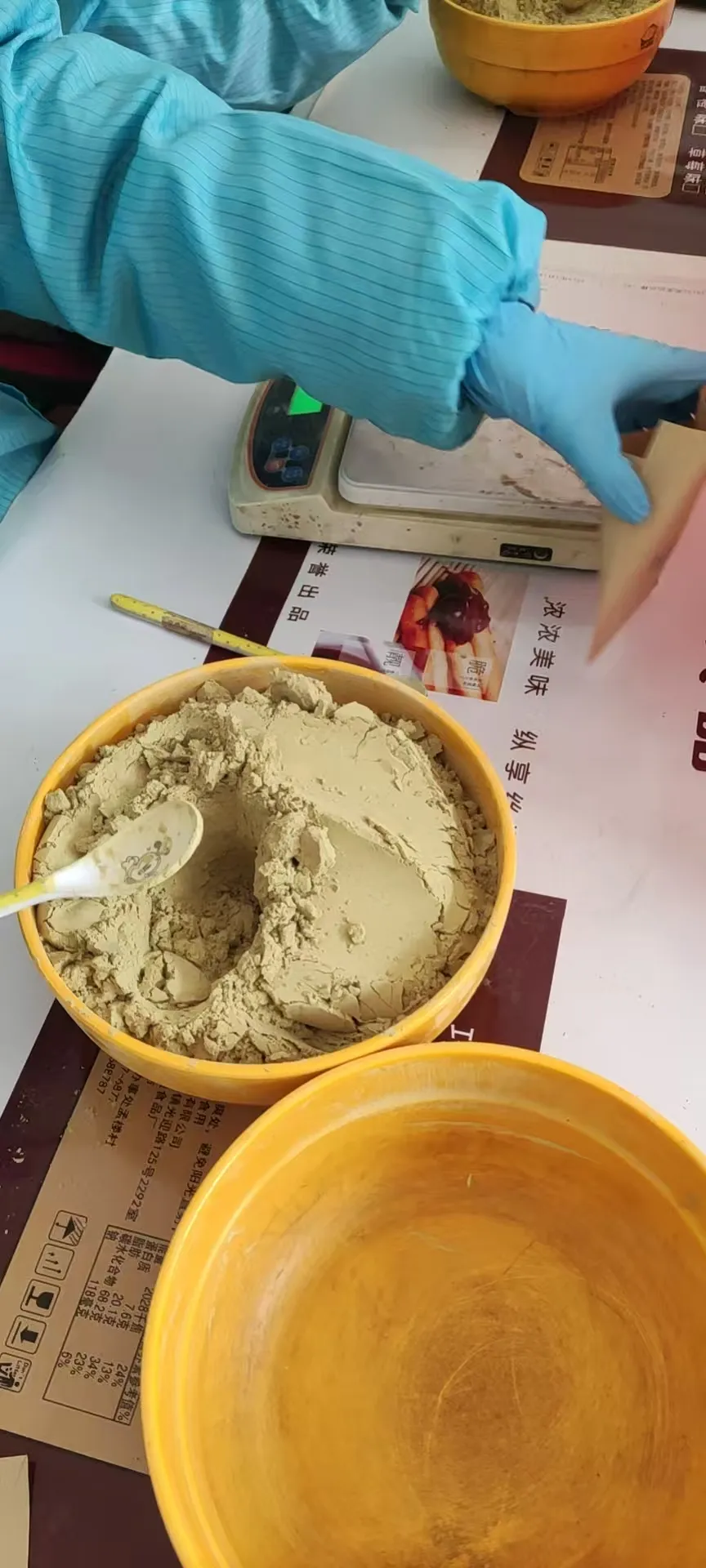
How Is China’s Leading Apple Pollen Manufacturer Connecting with International Buyers at Asia Fruit Logistica?
-
Optimizing Pollination Pollen of Kiwifruit in Orchard for Enhanced Yield and Quality
-
Why Is China’s Best Male Kiwifruit Pollen Manufacturer Gaining Global Attention at Fruit Logistica Berlin?
-
Optimizing Apple Orchard Yields with Strategic Active Pollen for Pollination

 English
  Afrikaans
  Albanian
  Amharic
  Arabic
  Armenian
  Azerbaijani
  Basque
  Belarusian
  Bengali
  Bosnian
  Bulgarian
  Catalan
  Cebuano
  Corsican
  Croatian
  Czech
Czech  Danish
  Dutch
Dutch  Esperanto
  Estonian
  Finnish
  French
  Frisian
  Galician
  Georgian
  German
  Greek
Greek  Gujarati
  Haitian Creole
  Hausa
Hausa  Hawaiian
  Hebrew
  Hindi
Hindi  Miao
Miao  Hungarian
  Icelandic
  Igbo
Igbo  Indonesian
  Irish
Irish  Italian
  Japanese
  Javanese
  Kannada
  Kazakh
  Khmer
Khmer  Rwandese
  Korean
  Kurdish
  Kyrgyz
  Lao
Lao  Latin
Latin  Latvian
  Lithuanian
  Luxembourgish
  Macedonian
  Malgashi
  Malay
Malay  Malayalam
  Maltese
  Maori
Maori  Marathi
  Mongolian
  Myanmar
  Nepali
  Norwegian
  Norwegian
  Occitan
  Pashto
  Persian
  Polish
  Portuguese
  Punjabi
  Romanian
  Russian
  Samoan
  Scottish Gaelic
  Serbian
  Sesotho
  Shona
Shona  Sindhi
  Sinhala
  Slovak
  Slovenian
  Somali
  Spanish
  Sundanese
  Swahili
  Swedish
  Tagalog
  Tajik
Tajik  Tamil
Tamil  Tatar
Tatar  Telugu
  Thai
Thai  Turkish
  Turkmen
  Ukrainian
  Urdu
Urdu  Uighur
  Uzbek
Uzbek  Vietnamese
  Welsh
Welsh  Bantu
Bantu  Yiddish
  Yoruba
  Zulu
Zulu