Sep . 15, 2025 17:35 Back to list
Kiwifruit Male Pollen-Hebei Jiamingliang|Precision Pollination&High Germination
In the world of agriculture, the role of kiwipollen cannot be overstated, particularly in the cultivation of Actinidia deliciosa, commonly known as the kiwifruit. This article delves into the intricacies of kiwi pollen for sale, its technical specifications, and the critical role it plays in ensuring optimal fruit yield and quality. We will also explore the background of Hebei Jiamingliang Pollen Co., Ltd., a leading provider of this essential agricultural product.
Understanding the Importance of Kiwifruit Pollination
Kiwifruit cultivation relies on a unique biological process: dioecious pollination. Unlike many fruits that have both male and female flowers on the same plant, kiwifruit trees are dioecious, meaning male and female flowers grow on separate trees. This necessitates the use of male kiwi pollen for sale to fertilize the female flowers, a process that directly impacts fruit size, shape, and overall quality.
According to the National Institute of Standards and Technology (NIST), precision in agricultural practices is vital for maximizing yield and sustainability. The careful handling and application of kiwipollen aligns with these principles, ensuring that each pollination event is as effective as possible.
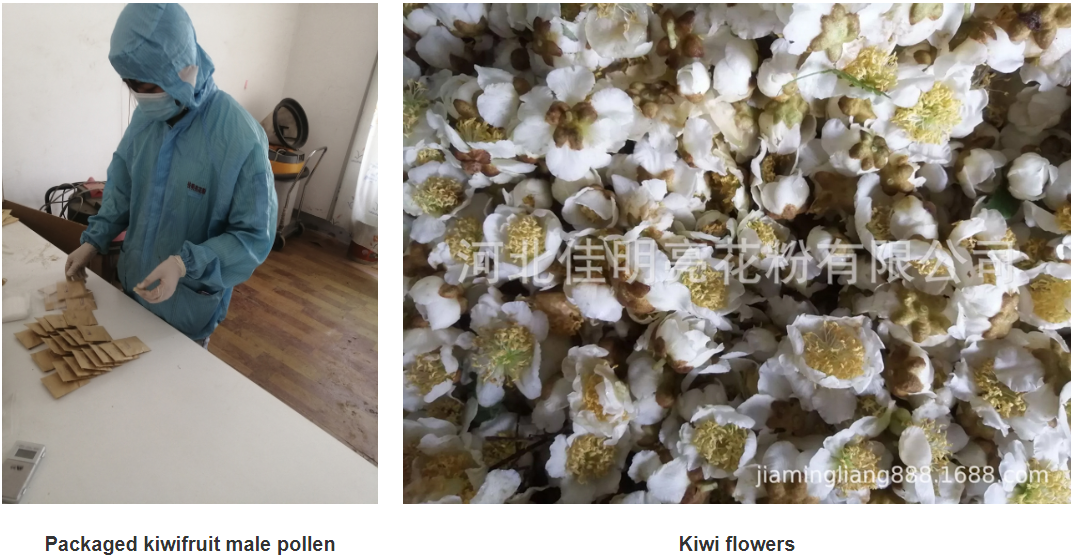
Figure 1: Pollen Collection Of Male Flowers Of Kiwifruit
Product Overview: Kiwifruit Male Pollen
The kiwifruit male pollen offered by Hebei Jiamingliang Pollen Co., Ltd. is specifically designed for the pollination of female kiwifruit trees. This product is derived from the male flowers of the kiwifruit plant, ensuring a high germination rate and optimal fertilization of female blossoms.
Key features of this pollen include:
- Pollen Source: Kiwifruit male pollen
- Suitable Varieties: Kiwifruit female plants
- Germination Percentage: 80%
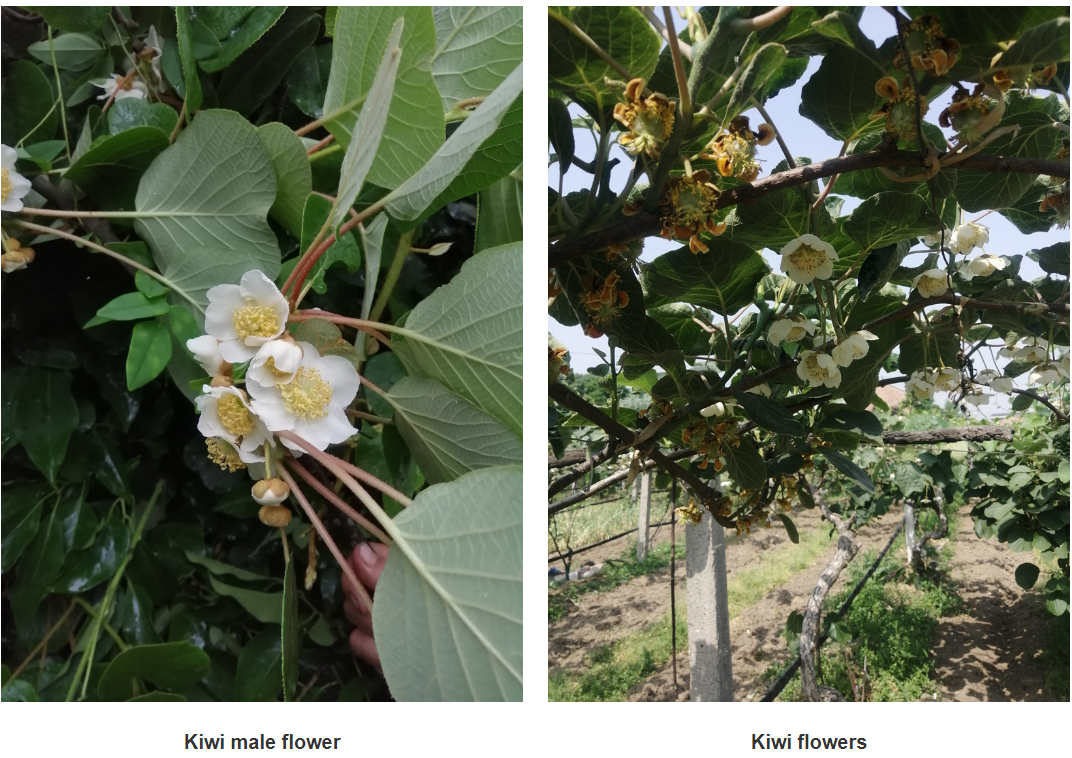
Figure 2: Kiwi Fruit Pollen
Technical Specifications and Storage Guidelines
The kiwipollen is a living product, which necessitates strict storage and handling protocols to maintain its viability. Below is a detailed specification table:
| Specification | Details |
|---|---|
| Pollen Source | Kiwifruit male flowers |
| Germination Rate | 80% |
| Storage Conditions | Cold storage (≤ 4°C) for up to 3 days; Freezer storage (-18°C) for extended periods |
| Pre-Use Preparation | Thaw at room temperature for 12 hours before use |
| Optimal Pollination Temperature | 15°C - 25°C |
| Weather Sensitivity | Not suitable for use in rain or temperatures above 25°C |
Proper storage is critical to maintaining the viability of kiwipollen. If stored at room temperature for more than three days, the pollen may lose its activity. For long-term storage, it must be kept in a freezer at -18°C. Before use, the pollen should be allowed to reach room temperature for 12 hours to transition from a dormant state to an active one. This ensures that the pollen can germinate quickly when applied to the stigma of female flowers, leading to successful fertilization.
Temperature control is equally important. The optimal pollination temperature range is 15°C to 25°C. Temperatures below 15°C slow down pollen germination, while temperatures above 25°C can kill the pollen's activity. Additionally, high temperatures can evaporate the nutrient solution on the stigma, which is essential for pollen germination. Farmers and technicians must monitor weather conditions carefully to avoid these pitfalls.
Application Scenarios and Best Practices
The kiwipollen is primarily used in the cultivation of female kiwifruit trees to ensure successful fertilization. This product is particularly valuable in orchards where natural pollination is insufficient due to environmental factors or the absence of male trees.
Key application scenarios include:
- Commercial Orchards: Large-scale kiwifruit farms rely on kiwipollen to ensure consistent yields and high-quality fruit.
- Small-Scale Farms: Farmers with limited access to male kiwifruit trees can use this product to supplement natural pollination.
- Research and Development: Agricultural researchers use kiwipollen to study the effects of different pollination techniques on fruit quality and yield.
Best practices for using kiwipollen include:
- Timing: Apply pollen during the optimal temperature window (15°C - 25°C) and avoid use in rainy conditions.
- Storage: Keep pollen in a dry, sealed bag before shipment. If moisture is detected, discard the pollen immediately.
- Reapplication: If rain occurs within 5 hours of pollination, reapplication is necessary to ensure successful fertilization.
Company Background: Hebei Jiamingliang Pollen Co., Ltd.
Hebei Jiamingliang Pollen Co., Ltd. is a leading provider of high-quality kiwipollen and other agricultural products. With a commitment to innovation and excellence, the company has established itself as a trusted name in the industry. Hebei Jiamingliang Pollen Co., Ltd. has built six specialized kiwifruit pollen bases, ensuring a reliable supply of pollen even in times of shortage.
The company's dedication to quality is evident in its rigorous production processes and adherence to industry standards. By focusing on the cultivation of male kiwifruit trees, Hebei Jiamingliang Pollen Co., Ltd. ensures that its kiwipollen meets the highest standards of purity and viability. This commitment to quality has made the company a preferred choice for farmers and agricultural professionals worldwide.
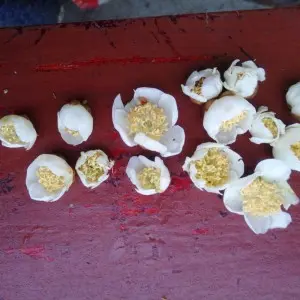
Figure 3: Kiwi Pollen
The Role of Pollination in Kiwifruit Cultivation
Pollination is a critical phase in the life cycle of the kiwifruit plant. Without effective pollination, female flowers cannot develop into the fruit that consumers know and love. The kiwipollen provided by Hebei Jiamingliang Pollen Co., Ltd. plays a pivotal role in this process, ensuring that female flowers are fertilized efficiently.
According to the National Institute of Standards and Technology (NIST), the precision of agricultural practices, including pollination, is essential for maximizing crop yields and ensuring food security. The use of high-quality kiwipollen aligns with these principles, as it directly contributes to the success of the pollination process.
Conclusion
The kiwipollen offered by Hebei Jiamingliang Pollen Co., Ltd. is an essential tool for kiwifruit growers seeking to optimize their yields and ensure the quality of their harvest. With its high germination rate, precise storage requirements, and application guidelines, this product exemplifies the importance of careful agricultural practices. As the demand for kiwifruit continues to grow, the role of kiwipollen in modern agriculture will only become more significant.
References
National Institute of Standards and Technology (NIST). (n.d.). Driving Innovation. Retrieved from https://www.nist.gov/
-
OEM Plum Pollen Quest Exploring Global Sourcing and Quality Solutions
NewsJan.28,2026
-
OEM Pear Pollen Do Sourcing Benefits and Applications for Enhanced Products
NewsJan.27,2026
-
Discover High Quality Cheap Plum Pollen For Enhanced Wellness
NewsJan.27,2026
-
OEM Fruit Tree Netting Bags – Durable, Custom, and Trusted by Growers
NewsJan.06,2026
-
OEM Apricot Pollen on Trees – Quality Insights & Vendor Comparison
NewsJan.06,2026
-
OEM Pear Flower Powder for Pollination | Enhance Your Pear Garden Yield
NewsJan.06,2026
 Afrikaans
 Albanian
 Amharic
 Arabic
 Armenian
 Azerbaijani
 Basque
 Belarusian
 Bengali
 Bosnian
 Bulgarian
 Catalan
 Cebuano
 Corsican
 Croatian
 Czech
Czech
 Danish
 Dutch
Dutch
 Esperanto
 Estonian
 Finnish
 French
 Frisian
 Galician
 Georgian
 German
 Greek
Greek
 Gujarati
 Haitian Creole
 Hausa
Hausa
 Hawaiian
 Hebrew
 Hindi
Hindi
 Miao
Miao
 Hungarian
 Icelandic
 Igbo
Igbo
 Indonesian
 Irish
Irish
 Italian
 Japanese
 Javanese
 Kannada
 Kazakh
 Khmer
Khmer
 Rwandese
 Korean
 Kurdish
 Kyrgyz
 Lao
Lao
 Latin
Latin
 Latvian
 Lithuanian
 Luxembourgish
 Macedonian
 Malgashi
 Malay
Malay
 Malayalam
 Maltese
 Maori
Maori
 Marathi
 Mongolian
 Myanmar
 Nepali
 Norwegian
 Norwegian
 Occitan
 Pashto
 Persian
 Polish
 Portuguese
 Punjabi
 Romanian
 Russian
 Samoan
 Scottish Gaelic
 Serbian
 Sesotho
 Shona
Shona
 Sindhi
 Sinhala
 Slovak
 Slovenian
 Somali
 Spanish
 Sundanese
 Swahili
 Swedish
 Tagalog
 Tajik
Tajik
 Tamil
Tamil
 Tatar
Tatar
 Telugu
 Thai
Thai
 Turkish
 Turkmen
 Ukrainian
 Urdu
Urdu
 Uighur
 Uzbek
Uzbek
 Vietnamese
 Welsh
Welsh
 Bantu
Bantu
 Yiddish
 Yoruba
 Zulu
Zulu
 English