The process to collect apple pollen is crucial for a variety of applications, ranging from agricultural advancements to innovative medical research. Understanding the intricacies of efficient and sustainable pollen collection is becoming increasingly important in a world facing challenges in food security and biodiversity. This guide will explore the methods, applications, and future trends associated with collecting apple pollen, offering valuable insights for researchers, farmers, and anyone interested in this fascinating field.
Globally, apple production represents a significant segment of the fruit industry, with major growing regions including China, the United States, Turkey, Poland, and Italy. The success of apple cultivation is heavily reliant on pollination, making efficient pollen collection and transfer vital for maximizing yield. The ability to effectively collect apple pollen has implications for improving fruit quality, developing disease-resistant varieties, and even addressing declining pollinator populations.
Efficiently collecting apple pollen isn't just about agricultural yield; it's also about preserving genetic diversity and contributing to advancements in plant breeding programs. The collected pollen can be utilized for controlled pollination, enabling the creation of new apple cultivars with enhanced characteristics. Furthermore, advances in pollen cryopreservation are extending the potential for long-term storage and utilization, safeguarding valuable genetic resources for future generations.
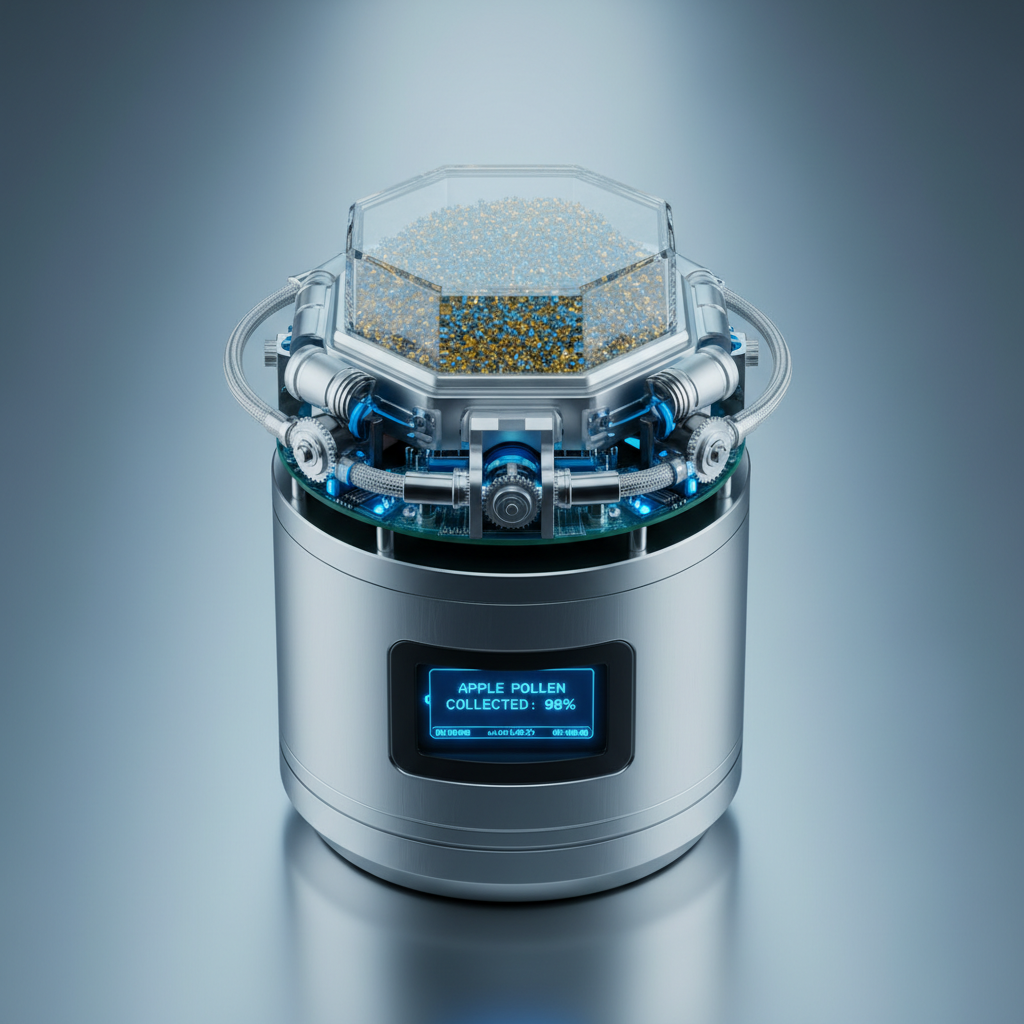
Introduction to Collect Apple Pollen
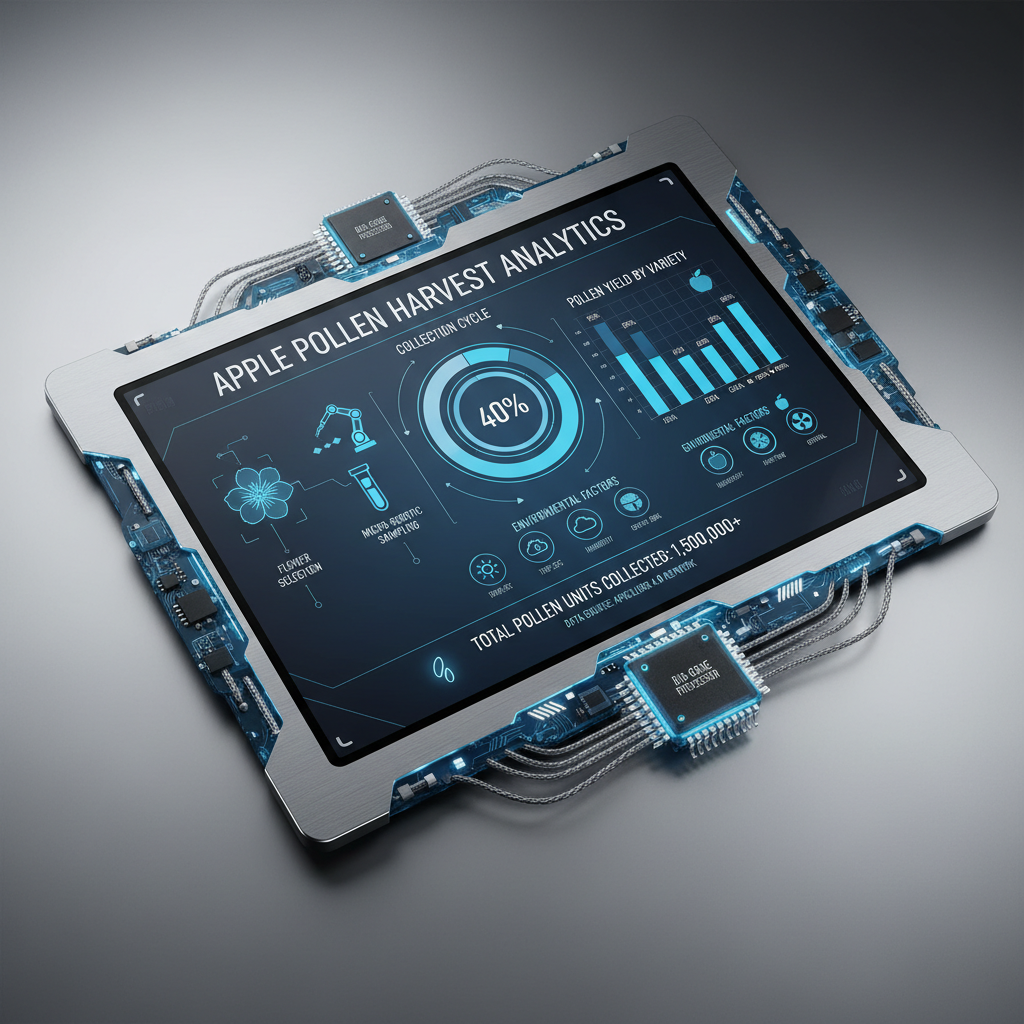
Successfully collecting apple pollen requires a nuanced understanding of the apple tree’s reproductive cycle. Factors such as bloom timing, weather conditions, and the health of the pollen source significantly impact the quantity and quality of the collected pollen. Proper planning and the use of appropriate collection techniques are essential to ensure a viable and usable pollen supply.
The process to collect apple pollen isn’t simply about gathering the granules; it's about preserving their viability. Factors like temperature, humidity, and exposure to air can quickly degrade pollen quality. Therefore, appropriate storage methods, often involving desiccation and refrigeration, are critical for maintaining pollen functionality over time.
FAQS
The optimal time to collect apple pollen is typically during the early stages of bloom, before the anthers fully open and release the pollen. This is when pollen viability is at its highest. Monitoring blossom development closely and collecting pollen on dry, sunny days will further maximize quality. Avoid collection during rainy or windy conditions, as these can reduce pollen viability and increase contamination. It’s also recommended to collect in the morning when pollen is generally drier.
To maintain apple pollen viability over long periods, it's crucial to thoroughly dry the pollen to reduce its moisture content. Once dried, it should be stored in airtight containers, such as sealed vials or cryovials, and refrigerated or frozen. Freezing at -20°C or lower is recommended for long-term storage. Adding a desiccant, such as silica gel, to the container can further help absorb any residual moisture.
Several manual methods can effectively collect apple pollen. Gentle tapping of blossoms onto a dark surface (like black paper or plastic) allows pollen to fall and be collected. Alternatively, a small, soft brush can be used to gently sweep pollen from the anthers. A specialized vacuum-like device designed for pollen collection can also be used, but requires careful handling to avoid damaging the pollen. Ensuring the blossoms are dry before collection is important for optimal results.
Yes, collected apple pollen can be used for cross-pollination between different apple varieties. However, compatibility between varieties is crucial for successful pollination. Some apple varieties are self-incompatible, meaning they require pollen from a different variety to set fruit. Carefully selecting compatible pollen sources is essential for achieving desired pollination results. It’s best to consult with a pomologist or horticultural expert to determine compatibility.
While apple pollen is generally not considered highly allergenic, some individuals may experience allergic reactions. Wearing gloves and a dust mask during collection and handling can help minimize exposure. Avoid inhaling pollen directly. If you experience any allergic symptoms, such as sneezing, itching, or watery eyes, discontinue handling and consult a medical professional. Maintaining good hygiene practices, like washing hands after handling pollen, is also recommended.
Pollen viability can be assessed through several methods. A simple test involves observing pollen grain shape and size under a microscope. Viable pollen grains are typically plump and well-defined, while non-viable grains appear shrunken or deformed. More sophisticated methods include staining techniques (like iodine staining) that reveal the presence of functional cytoplasm within the pollen grains. Germination tests, where pollen is placed on a germination medium, can also determine viability based on pollen tube growth.
Conclusion
In conclusion, the ability to effectively collect apple pollen is paramount for maintaining genetic diversity, enhancing fruit production, and adapting to evolving environmental challenges. From precise collection techniques to innovative storage solutions, a thorough understanding of the process is crucial for researchers, breeders, and farmers alike. Investing in advancements in pollen collection technology and protocols is vital for securing the future of apple cultivation and ensuring a sustainable food supply.
Looking ahead, continued research into automated collection systems, improved cryopreservation methods, and the application of digital technologies will further optimize pollen collection practices. By embracing these advancements, we can unlock the full potential of apple pollen and contribute to the development of resilient and productive apple orchards worldwide. For more information and to explore solutions for your pollen collection needs, visit our website: collect apple pollen.
Related Posts

 English
  Afrikaans
  Albanian
  Amharic
  Arabic
  Armenian
  Azerbaijani
  Basque
  Belarusian
  Bengali
  Bosnian
  Bulgarian
  Catalan
  Cebuano
  Corsican
  Croatian
  Czech
Czech  Danish
  Dutch
Dutch  Esperanto
  Estonian
  Finnish
  French
  Frisian
  Galician
  Georgian
  German
  Greek
Greek  Gujarati
  Haitian Creole
  Hausa
Hausa  Hawaiian
  Hebrew
  Hindi
Hindi  Miao
Miao  Hungarian
  Icelandic
  Igbo
Igbo  Indonesian
  Irish
Irish  Italian
  Japanese
  Javanese
  Kannada
  Kazakh
  Khmer
Khmer  Rwandese
  Korean
  Kurdish
  Kyrgyz
  Lao
Lao  Latin
Latin  Latvian
  Lithuanian
  Luxembourgish
  Macedonian
  Malgashi
  Malay
Malay  Malayalam
  Maltese
  Maori
Maori  Marathi
  Mongolian
  Myanmar
  Nepali
  Norwegian
  Norwegian
  Occitan
  Pashto
  Persian
  Polish
  Portuguese
  Punjabi
  Romanian
  Russian
  Samoan
  Scottish Gaelic
  Serbian
  Sesotho
  Shona
Shona  Sindhi
  Sinhala
  Slovak
  Slovenian
  Somali
  Spanish
  Sundanese
  Swahili
  Swedish
  Tagalog
  Tajik
Tajik  Tamil
Tamil  Tatar
Tatar  Telugu
  Thai
Thai  Turkish
  Turkmen
  Ukrainian
  Urdu
Urdu  Uighur
  Uzbek
Uzbek  Vietnamese
  Welsh
Welsh  Bantu
Bantu  Yiddish
  Yoruba
  Zulu
Zulu