Pear flower powder for pollination in pear garden represents a crucial, yet often overlooked, aspect of modern orchard management. Globally, pear production contributes significantly to the fruit industry, with major growing regions in Asia (China, Japan, Korea), Europe (Italy, Spain, Netherlands), and North America (USA, Canada). Efficient pollination is paramount to yield quality and quantity, and natural pollinator declines necessitate innovative solutions. Utilizing pear flower powder ensures successful pollination, even in environments with insufficient bee populations or adverse weather conditions, impacting food security and economic stability for pear growers worldwide.
The increasing demand for high-quality pears, coupled with environmental concerns surrounding pesticide use and pollinator health, drives the need for sustainable pollination strategies. Pear orchards, like many fruit-bearing ecosystems, are susceptible to pollination deficits, leading to reduced fruit set and economic losses. Pear flower powder provides a targeted and controlled method of pollination, supplementing natural processes and mitigating risks associated with unreliable pollinator activity, making it a critical tool for modern pear cultivation.
Understanding the application and benefits of pear flower powder for pollination in pear garden is essential for orchardists aiming to maximize their yields and maintain the long-term health of their crops. It represents a proactive approach to ensuring consistent fruit production, bolstering the supply chain, and ultimately, satisfying the growing global demand for this popular fruit.
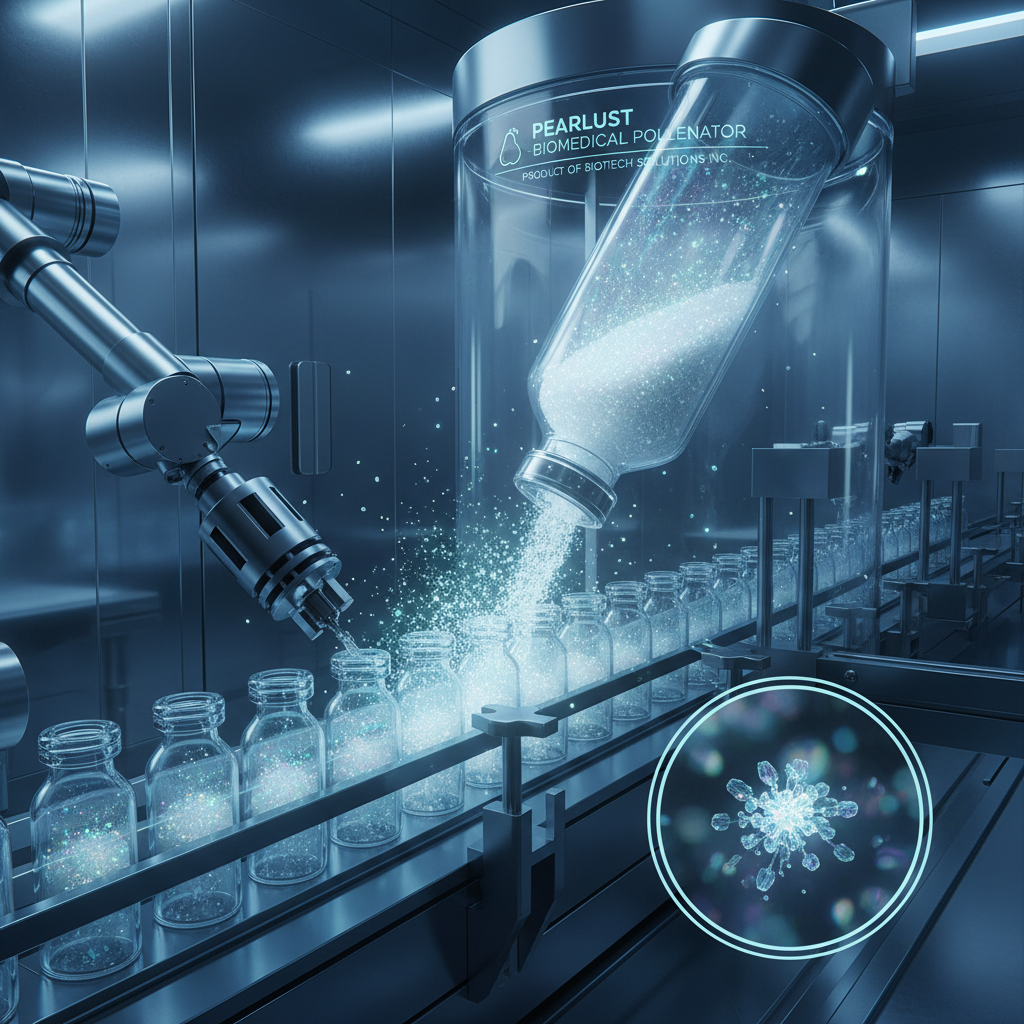
Introduction to Pear Flower Powder Pollination
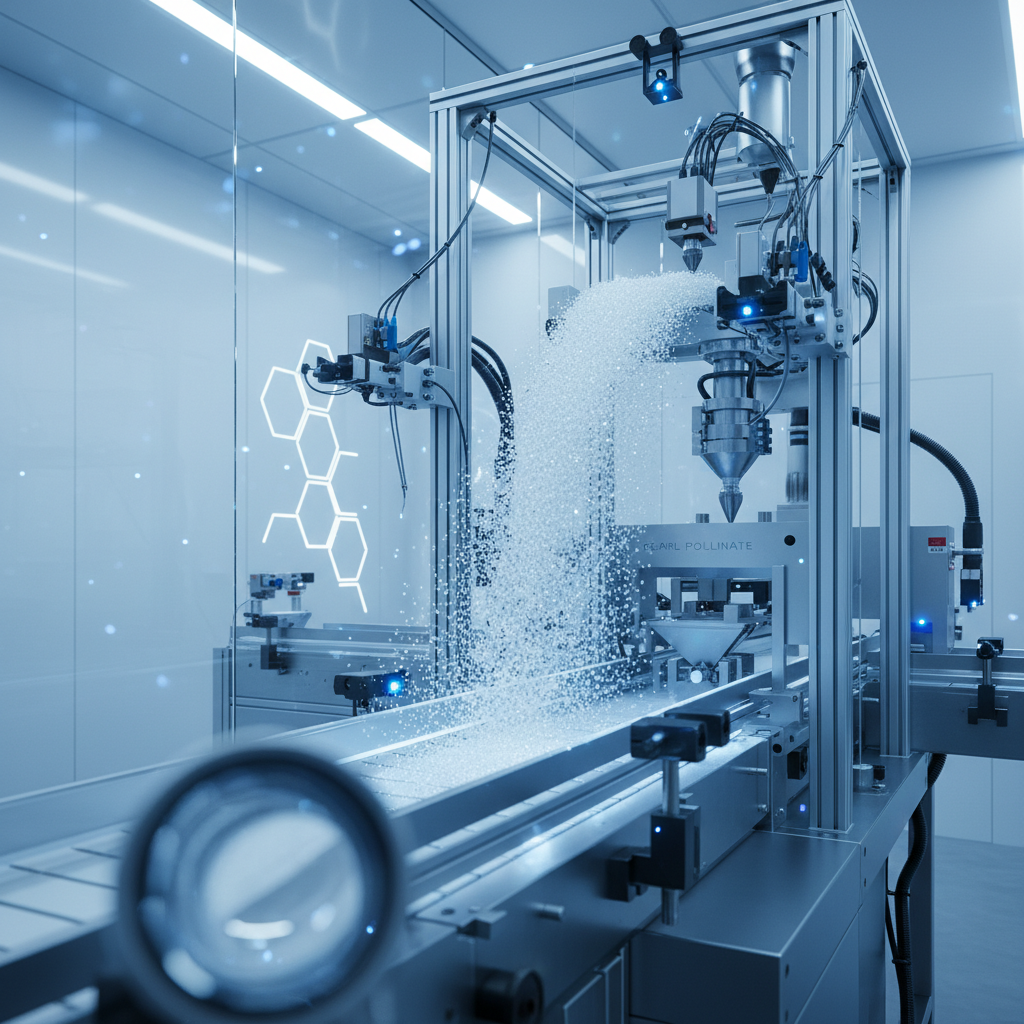
Pear flower powder for pollination in pear garden offers a reliable alternative when natural pollination is compromised. This method directly applies pollen to the receptive stigma of pear blossoms, bypassing the need for insect vectors. This ensures a higher percentage of blossoms are fertilized, leading to increased fruit set and potentially larger fruit size.
The application process is relatively straightforward, though requires careful timing to coincide with blossom receptivity. Different application techniques exist, ranging from manual dusting to specialized sprayers, allowing orchardists to choose the method best suited to their operation's size and resources. Careful consideration of pollen source and quality is crucial for optimal results.
FAQS
Pear flower powder provides a reliable pollination solution independent of external factors affecting bee populations, such as pesticide use, habitat loss, and weather conditions. It offers greater control over the pollination process, leading to more consistent fruit set and reducing reliance on unpredictable natural pollination. This is especially important in areas with declining bee populations or during unfavorable weather conditions when bee activity is limited. It also ensures pollination even in environments where bees are not compatible with the specific pear variety.
The ideal timing depends on the specific pear variety and local climate conditions. Generally, application should coincide with full bloom, when the stigmas are receptive. Observing blossom opening and using tools like a hand lens to assess stigma receptivity can help pinpoint the optimal time. Monitoring weather forecasts is also crucial; avoid application during rain or high winds. Consulting with a local agricultural extension agent can provide variety-specific guidance.
Yes, pear flower powder is generally considered suitable for organic pear production, provided the pollen source is from certified organic pear trees and the application process adheres to organic standards. It offers a natural alternative to synthetic pollination aids and supports sustainable orchard practices. However, it’s essential to verify certification and compliance with local organic regulations to ensure full adherence.
Proper storage is critical for preserving pollen viability. Pear flower powder should be stored in an airtight container, in a cool, dry, and dark place. Refrigeration or freezing can further extend its shelf life, but ensure the container is completely sealed to prevent moisture absorption. Avoid exposure to direct sunlight or fluctuating temperatures. Ideally, use pollen within one growing season for optimal results.
Several methods can be used, depending on orchard size and resources. Manual dusting is suitable for small orchards. Low-pressure sprayers ensure even distribution. Electrostatic sprayers, which charge the pollen particles, improve adherence to blossoms. Emerging technologies like drone application offer efficient coverage for larger areas. The most effective method will depend on your specific needs and budget.
Generally, yes, pear flower powder can be used for most pear varieties. However, some varieties may require specific pollen sources for optimal cross-pollination. Understanding the pollination requirements of your pear varieties is crucial. It's also worth noting that certain varieties might exhibit varying levels of receptivity, affecting the success rate of pollination with pear flower powder. Consulting with a horticultural expert is recommended.
Conclusion
In conclusion, pear flower powder for pollination in pear garden represents a valuable tool for orchardists facing challenges related to pollinator decline, environmental factors, and the demand for consistent, high-quality fruit production. From ensuring reliable yields to promoting sustainable agricultural practices, this technique offers a compelling solution for the modern pear industry. Its adaptability to various orchard scales and emerging integration with technological advancements solidify its importance in the future of pear cultivation.
As research continues and innovative application methods emerge, the potential of pear flower powder to revolutionize orchard management will only grow. We encourage orchardists to explore the benefits of this technique and consider incorporating it into their pollination strategies. Visit our website at pear flower powder for pollination in pear garden to learn more and discover how we can help optimize your orchard's success.
Related Posts
-

Unlocking the Potential of Apple Pollen for Sustainable Innovations
-
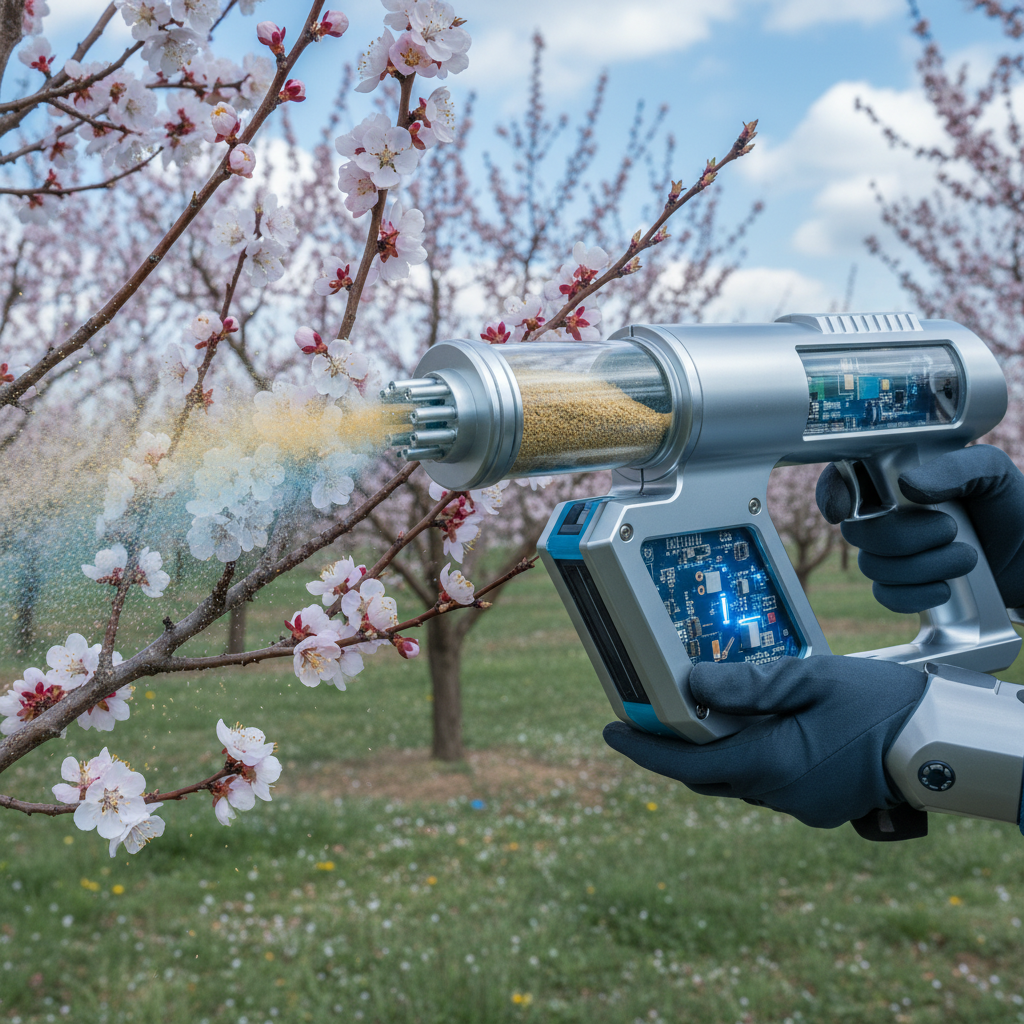
Optimizing Pollen for Pollination in Apricot Orchard for Enhanced Fruit Yield and Quality
-

Optimizing Pear Production with an Advanced Pear Pollen Collection Base
-
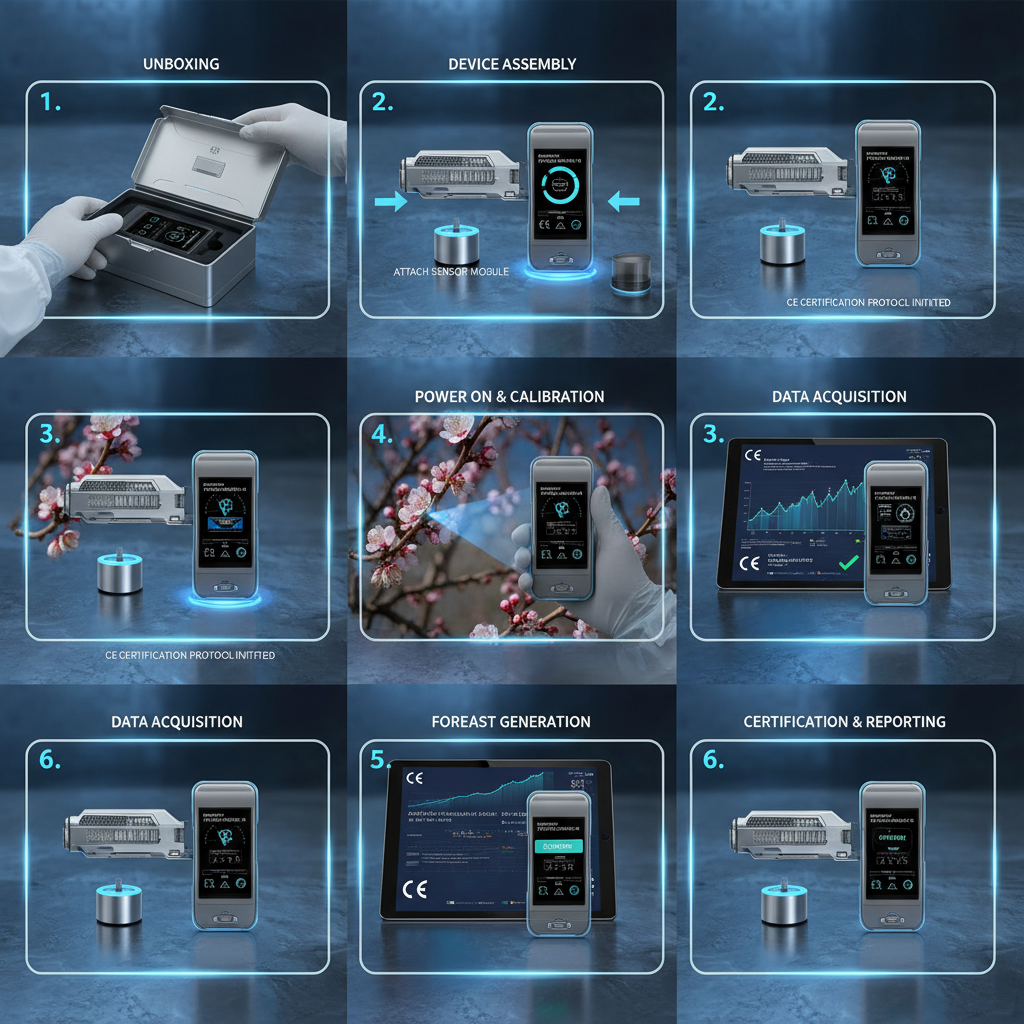
Ce Certification Apricot Pollen Forecast Impact on Health and Resource Management

 English
  Afrikaans
  Albanian
  Amharic
  Arabic
  Armenian
  Azerbaijani
  Basque
  Belarusian
  Bengali
  Bosnian
  Bulgarian
  Catalan
  Cebuano
  Corsican
  Croatian
  Czech
Czech  Danish
  Dutch
Dutch  Esperanto
  Estonian
  Finnish
  French
  Frisian
  Galician
  Georgian
  German
  Greek
Greek  Gujarati
  Haitian Creole
  Hausa
Hausa  Hawaiian
  Hebrew
  Hindi
Hindi  Miao
Miao  Hungarian
  Icelandic
  Igbo
Igbo  Indonesian
  Irish
Irish  Italian
  Japanese
  Javanese
  Kannada
  Kazakh
  Khmer
Khmer  Rwandese
  Korean
  Kurdish
  Kyrgyz
  Lao
Lao  Latin
Latin  Latvian
  Lithuanian
  Luxembourgish
  Macedonian
  Malgashi
  Malay
Malay  Malayalam
  Maltese
  Maori
Maori  Marathi
  Mongolian
  Myanmar
  Nepali
  Norwegian
  Norwegian
  Occitan
  Pashto
  Persian
  Polish
  Portuguese
  Punjabi
  Romanian
  Russian
  Samoan
  Scottish Gaelic
  Serbian
  Sesotho
  Shona
Shona  Sindhi
  Sinhala
  Slovak
  Slovenian
  Somali
  Spanish
  Sundanese
  Swahili
  Swedish
  Tagalog
  Tajik
Tajik  Tamil
Tamil  Tatar
Tatar  Telugu
  Thai
Thai  Turkish
  Turkmen
  Ukrainian
  Urdu
Urdu  Uighur
  Uzbek
Uzbek  Vietnamese
  Welsh
Welsh  Bantu
Bantu  Yiddish
  Yoruba
  Zulu
Zulu