The global demand for efficient and reliable pollen collection methods is increasing, driven by the critical role of pollination in food security and biodiversity. Specifically, optimized pear pollen collection base systems are vital for ensuring high-quality fruit production, enabling advancements in orchard management, and supporting sustainable agricultural practices. Understanding the nuances of these systems, from their underlying technology to their practical implementation, is paramount for researchers, growers, and policymakers alike. This knowledge empowers informed decision-making and fosters innovation in the agricultural sector.
Pear cultivation is a significant economic activity worldwide, with a substantial impact on international trade and local economies. The success of pear crops heavily relies on effective pollination, often necessitating supplemental pollen transfer, especially in regions with limited natural pollinators. A robust pear pollen collection base addresses this need, mitigating yield losses and enhancing fruit quality. Advancements in collection techniques, storage, and application are constantly evolving, requiring ongoing research and development.
The establishment and maintenance of a pear pollen collection base is not merely a technical exercise; it’s an investment in the future of pear production. It directly impacts the livelihoods of farmers, the availability of nutritious food, and the overall health of the agricultural ecosystem. Moreover, exploring innovative approaches to pollen collection, such as utilizing drones or optimized drying methods, promises to further enhance efficiency and sustainability, aligning with global efforts to promote environmentally responsible agriculture. pear pollen collection base is at the forefront of these advancements.
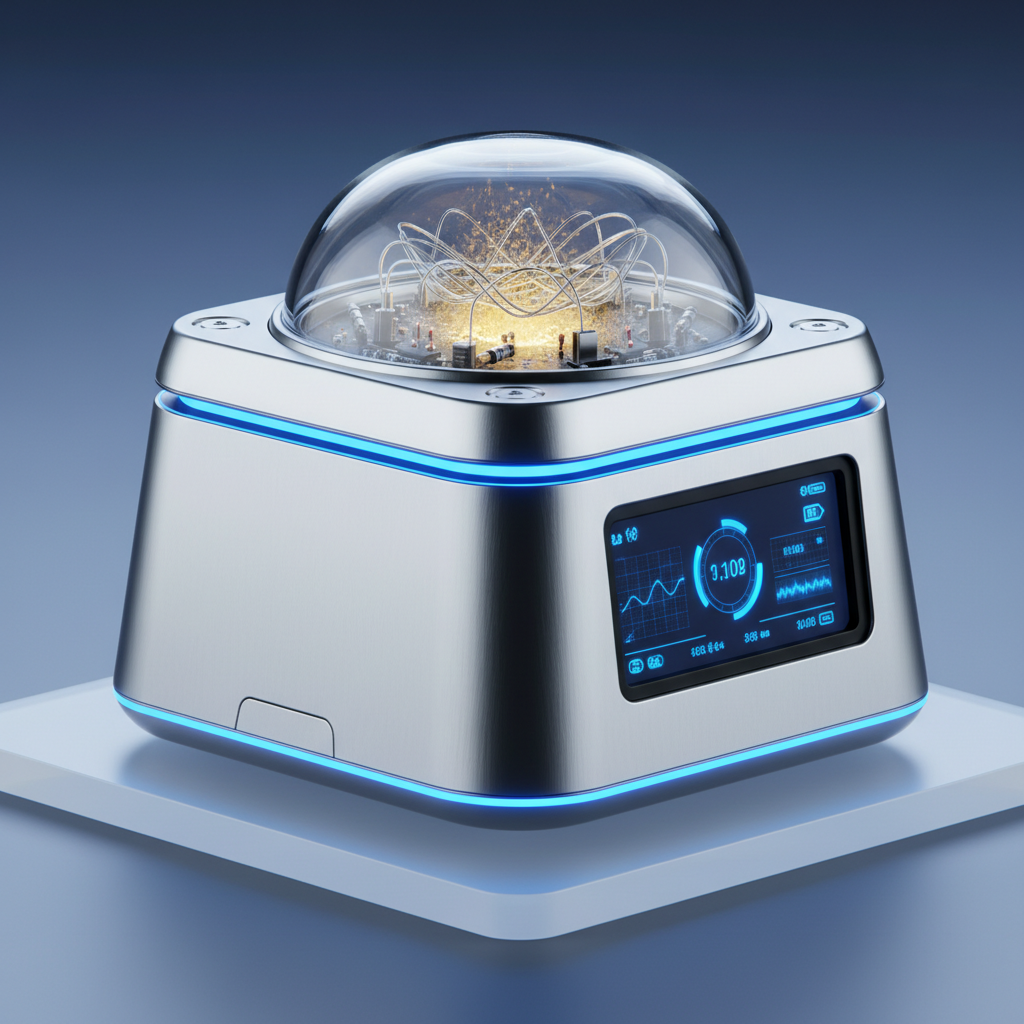
The Importance of Pear Pollen Collection Base
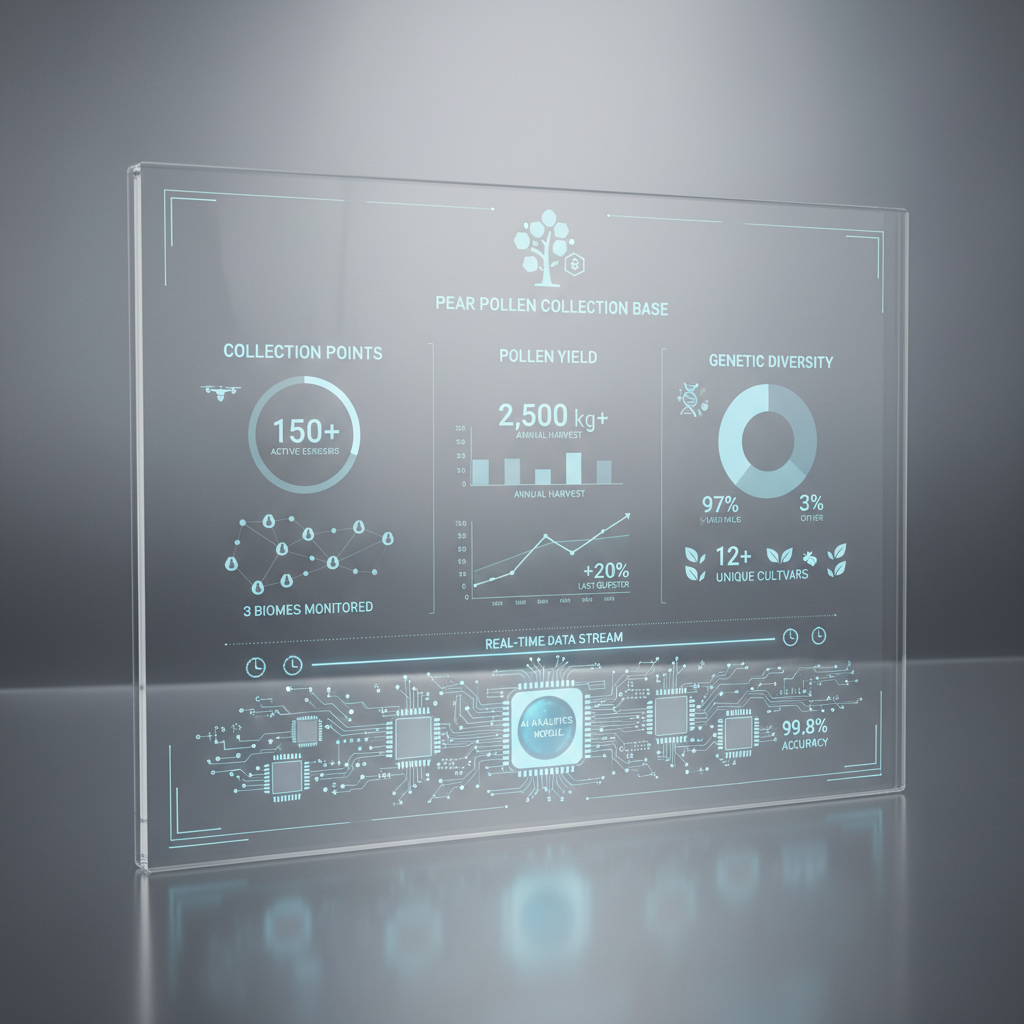
A well-managed pear pollen collection base is essential for ensuring consistent and high-quality pollination, particularly in intensive orchard settings. It serves as a reliable source of pollen, mitigating risks associated with unpredictable weather conditions or a decline in natural pollinator populations. Investing in a dedicated collection base demonstrates a commitment to sustainable agricultural practices and long-term orchard productivity.
Beyond fruit yield, the quality of the harvested pears is directly influenced by successful pollination. Adequate pollen transfer results in larger, more uniformly shaped fruits with improved color and sugar content. This translates into higher market value and increased profitability for growers. The strategic establishment of a pear pollen collection base is, therefore, a crucial component of a successful orchard management strategy.
FAQS
Generally, pear pollen is best stored at -20°C (-4°F) or lower to maintain high viability over extended periods. Proper freezing techniques, such as rapid freezing and airtight packaging, are crucial for preventing damage to pollen grains. Regular monitoring of pollen viability during storage is also recommended, particularly for long-term preservation. It's important to consider species-specific requirements as storage conditions can vary slightly.
Carefully managed pollen collection has minimal impact on the health and productivity of donor trees. It's essential to avoid excessive pollen removal, which could potentially reduce fruit set on the donor trees themselves. Best practices involve collecting pollen only from a portion of the blossoms and ensuring the trees receive adequate nutrition and water to support recovery. Selecting healthy, vigorous donor trees is also important.
Several methods can be used to apply collected pear pollen, including dry application using puffers or electrostatic sprayers, and wet application by mixing pollen with a suitable liquid carrier. The choice of method depends on orchard size, equipment availability, and environmental conditions. Electrostatic spraying is often favored for its ability to ensure uniform pollen distribution and improve adherence to stigmas.
Pollen viability is typically assessed using staining techniques, such as the Alexander stain method, which differentiates between viable (stained) and non-viable (unstained) pollen grains. Microscopic examination allows for a quantitative assessment of viability, expressed as a percentage of stained pollen. Regular viability testing is essential for ensuring the quality of the collected pollen.
The cost of establishing a pear pollen collection base varies significantly depending on the scale of the operation, the level of automation, and the infrastructure requirements. Key cost components include the purchase of pollen collection equipment, the construction of storage facilities, and the ongoing maintenance of donor orchards. A thorough cost-benefit analysis is recommended before investing in a collection base.
Regulations regarding pollen collection and use vary by country and region. It's important to comply with all applicable laws and regulations pertaining to plant health, biodiversity, and the use of agricultural inputs. Some jurisdictions may require permits or certifications for pollen collection activities. Staying informed about local regulations is crucial for ensuring legal compliance.
Conclusion
In summary, the establishment and effective management of a pear pollen collection base is a critical component of modern orchard management. It addresses the challenges of declining pollinator populations, ensures consistent fruit set and quality, and supports the long-term sustainability of pear production. From careful donor variety selection to advanced storage and application techniques, a holistic approach is essential for maximizing the benefits of this valuable resource.
Looking ahead, continued innovation in pollen collection technology, coupled with a growing emphasis on data-driven decision-making, will further enhance the efficiency and effectiveness of pear pollen collection bases. We encourage growers and researchers to explore the latest advancements and adopt best practices to safeguard the future of this vital industry. To learn more about optimizing your pear production through advanced pollen collection techniques, visit our website: www.jmlpollen.com.
Related Posts
-
Optimizing Pear Orchard Yields with Pear Flower Powder for Pollination in Pear Garden
-
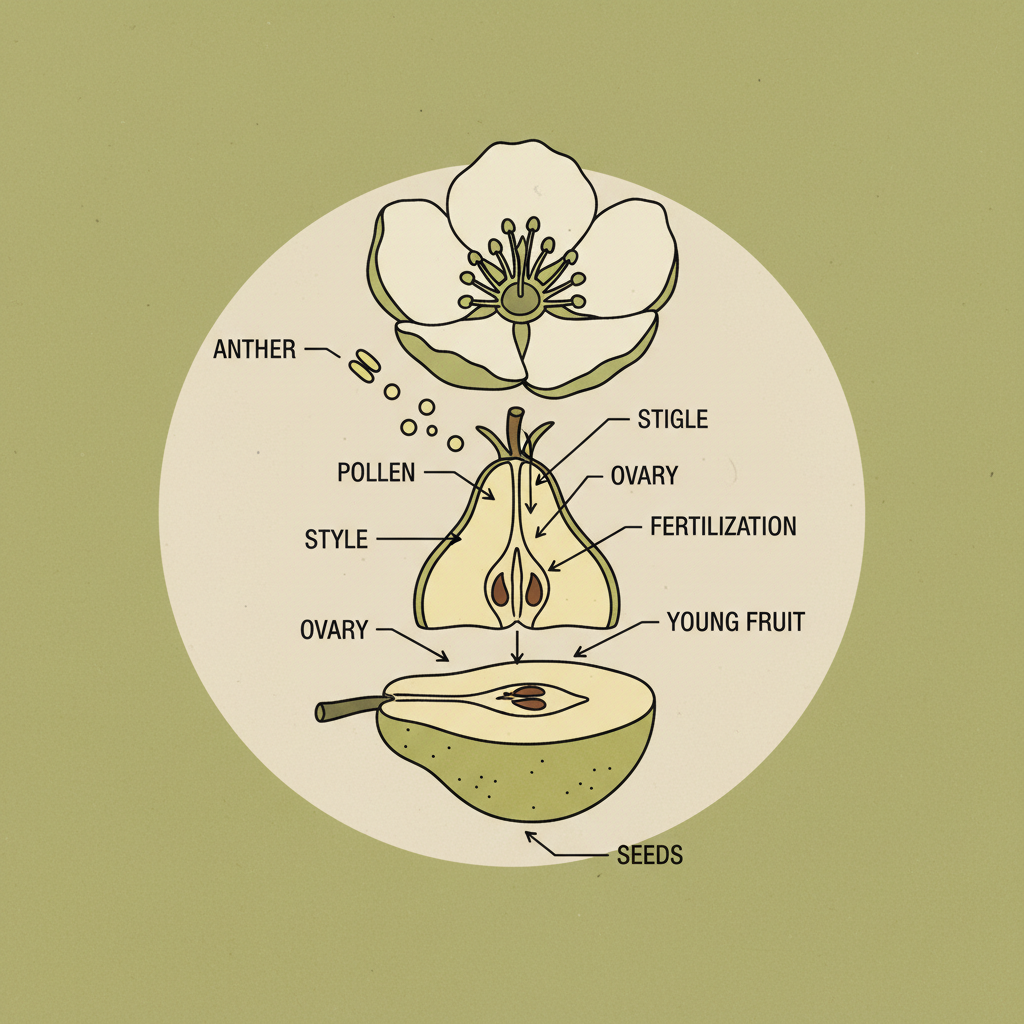
Navigating Industry Challenges and the Importance to use pear pollen to get a good harvest
-
Why Is China’s Best Male Kiwifruit Pollen Manufacturer Gaining Global Attention at Fruit Logistica Berlin?
-
Optimizing Apricot Pollen Collection for Health Sustainability and Economic Growth

 English
  Afrikaans
  Albanian
  Amharic
  Arabic
  Armenian
  Azerbaijani
  Basque
  Belarusian
  Bengali
  Bosnian
  Bulgarian
  Catalan
  Cebuano
  Corsican
  Croatian
  Czech
Czech  Danish
  Dutch
Dutch  Esperanto
  Estonian
  Finnish
  French
  Frisian
  Galician
  Georgian
  German
  Greek
Greek  Gujarati
  Haitian Creole
  Hausa
Hausa  Hawaiian
  Hebrew
  Hindi
Hindi  Miao
Miao  Hungarian
  Icelandic
  Igbo
Igbo  Indonesian
  Irish
Irish  Italian
  Japanese
  Javanese
  Kannada
  Kazakh
  Khmer
Khmer  Rwandese
  Korean
  Kurdish
  Kyrgyz
  Lao
Lao  Latin
Latin  Latvian
  Lithuanian
  Luxembourgish
  Macedonian
  Malgashi
  Malay
Malay  Malayalam
  Maltese
  Maori
Maori  Marathi
  Mongolian
  Myanmar
  Nepali
  Norwegian
  Norwegian
  Occitan
  Pashto
  Persian
  Polish
  Portuguese
  Punjabi
  Romanian
  Russian
  Samoan
  Scottish Gaelic
  Serbian
  Sesotho
  Shona
Shona  Sindhi
  Sinhala
  Slovak
  Slovenian
  Somali
  Spanish
  Sundanese
  Swahili
  Swedish
  Tagalog
  Tajik
Tajik  Tamil
Tamil  Tatar
Tatar  Telugu
  Thai
Thai  Turkish
  Turkmen
  Ukrainian
  Urdu
Urdu  Uighur
  Uzbek
Uzbek  Vietnamese
  Welsh
Welsh  Bantu
Bantu  Yiddish
  Yoruba
  Zulu
Zulu