Apricot pollen pollination is a critical biological process underpinning the production of this delicious and nutritious fruit. Globally, apricot cultivation supports livelihoods and contributes to food security, making efficient pollination vital for maintaining yields. Understanding the intricacies of apricot pollen pollination, from the types of pollinators involved to the environmental factors that influence success, is paramount for optimizing orchard management and ensuring sustainable apricot production.
The economic impact of apricots is substantial, with a global market value reaching billions of dollars annually. However, declining pollinator populations and changing climatic conditions pose significant challenges to apricot production in many regions. Effective pollination strategies, including the implementation of best practices in orchard design and the potential use of managed pollinators, are crucial to mitigating these risks and safeguarding the future of the apricot industry.
This exploration delves into the science behind apricot pollen pollination, outlining key factors influencing its success, exploring diverse applications worldwide, and investigating emerging trends that promise to enhance apricot yields and promote sustainable agricultural practices. We'll also address current challenges and potential solutions, providing a comprehensive understanding of this essential process.

The Importance of Apricot Pollen Pollination
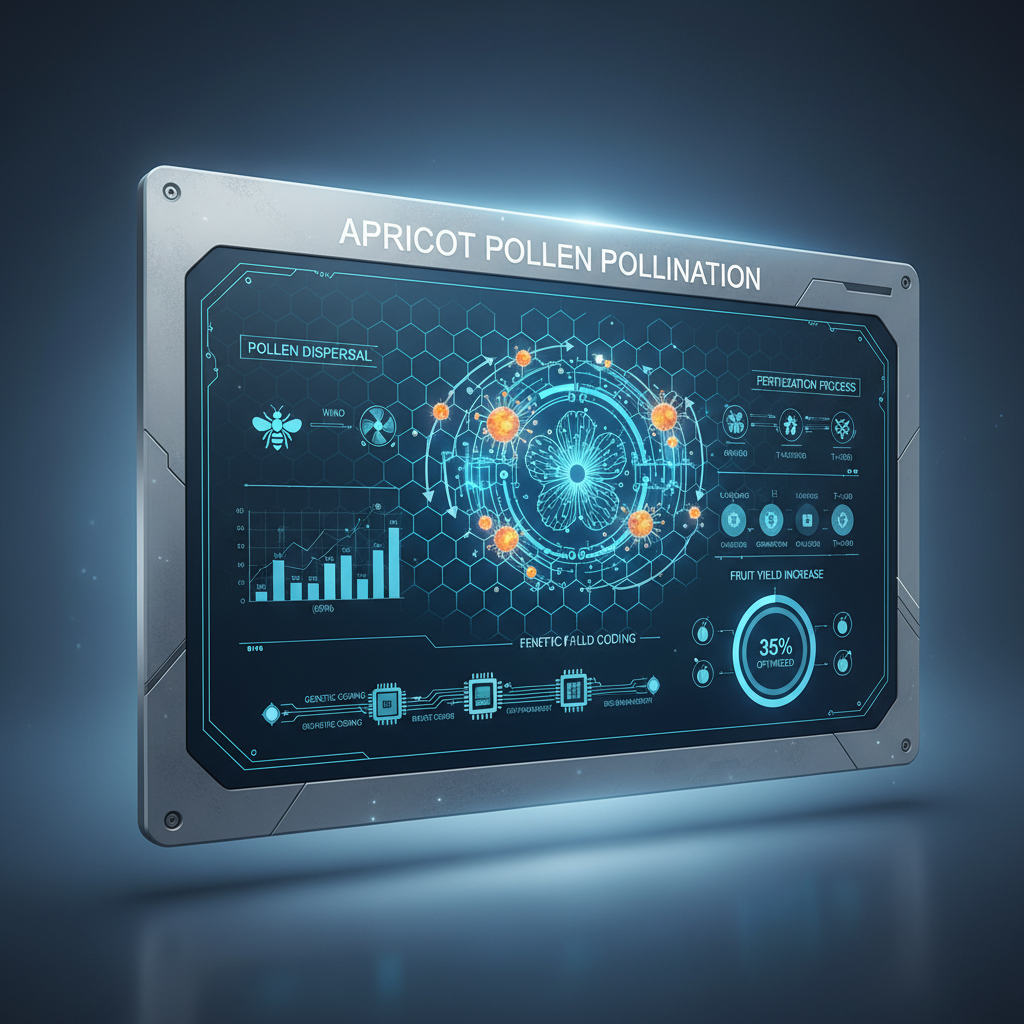
Apricot pollen pollination is foundational to apricot fruit set and subsequent yield. Without successful pollination, the development of apricots is severely hampered, leading to reduced crop size and economic losses for growers. The efficiency of this process directly impacts the quantity and quality of apricots available to consumers worldwide, highlighting its critical role in the food supply chain. apricot pollen pollination is often overlooked but it’s fundamental to a successful harvest.
The process isn't simply about transferring pollen from the stamen to the pistil; it's a complex interplay of environmental factors, pollinator behavior, and orchard management practices. Optimizing these elements requires a deep understanding of apricot biology and a proactive approach to pollination strategies.
FAQS
Successful apricot pollen pollination is indicated by a high fruit set percentage – the proportion of flowers that develop into fruit. Other indicators include uniform fruit size and shape, good seed development, and optimal sugar content. Observing abundant pollinator activity during bloom is also a positive sign, alongside assessing pollen viability through microscopic examination. Effective pollination leads to economically viable yields and high-quality apricots.
Attracting pollinators involves creating a pollinator-friendly habitat. Plant diverse flowering species that bloom throughout the apricot bloom period, providing a continuous food source for bees and other pollinators. Minimize or eliminate pesticide use, especially during bloom. Provide nesting sites, such as bee houses or undisturbed areas of soil. Also, ensure a water source is available. Implementing these strategies will significantly enhance pollinator visitation and apricot yields.
While both honeybees and native bees contribute to apricot pollination, they have different strengths. Honeybees are often managed and can be readily deployed to orchards, providing a reliable pollination force. However, native bees are often more efficient pollinators of specific apricot varieties due to their unique foraging behaviors. A healthy ecosystem supporting both honeybees and native bees is ideal for maximizing pollination success, promoting biodiversity and resilience in the orchard.
Weather plays a crucial role in apricot pollen pollination. Rain and strong winds can wash away pollen and disrupt pollinator activity, reducing pollination success. Temperatures below 50°F (10°C) can decrease bee activity, while excessively high temperatures can lead to pollen dehydration. Maintaining optimal temperature and humidity levels during bloom is essential. Growers may employ strategies like orchard sheltering or bloom timing adjustments to mitigate weather-related risks.
Signs of poor apricot pollination include a low fruit set – a small percentage of flowers developing into fruit. You might observe uneven fruit development, with some branches bearing fruit while others remain bare. Fruits may be small, misshapen, or have poor seed development. A lack of pollinator activity during bloom is also a red flag, indicating potential pollination issues that need to be addressed promptly to prevent significant yield losses.
While some apricot varieties exhibit a degree of self-compatibility, most benefit significantly from cross-pollination. Self-pollination often results in lower fruit set and reduced fruit quality. Therefore, planting multiple apricot varieties with overlapping bloom times is crucial to ensure adequate pollination and maximize yield. Selecting compatible pollinizer varieties that enhance cross-pollination is a key strategy for successful apricot production.
Conclusion
In conclusion, apricot pollen pollination is a multifaceted biological process with significant economic and ecological implications. Successful pollination is not merely a matter of chance but rather the result of careful orchard management, a thriving pollinator population, and a favorable environmental context. Understanding the interplay of these factors is vital for optimizing yields, enhancing fruit quality, and ensuring the long-term sustainability of apricot production.
Looking ahead, continued research into pollinator health, climate-resilient varieties, and innovative pollination technologies will be critical to address the challenges facing apricot growers. By prioritizing pollinator conservation and adopting best practices in orchard management, we can safeguard the future of this valuable fruit and the livelihoods of those who depend on it. Visit our website at www.jmlpollen.com to learn more about optimizing your apricot yields.
Related Posts
-

The Vital Role of Good Kiwi Pollen in Agriculture and Horticultural Advancements
-

Unlocking the Potential of Apple Pollen for Sustainable Innovations
-
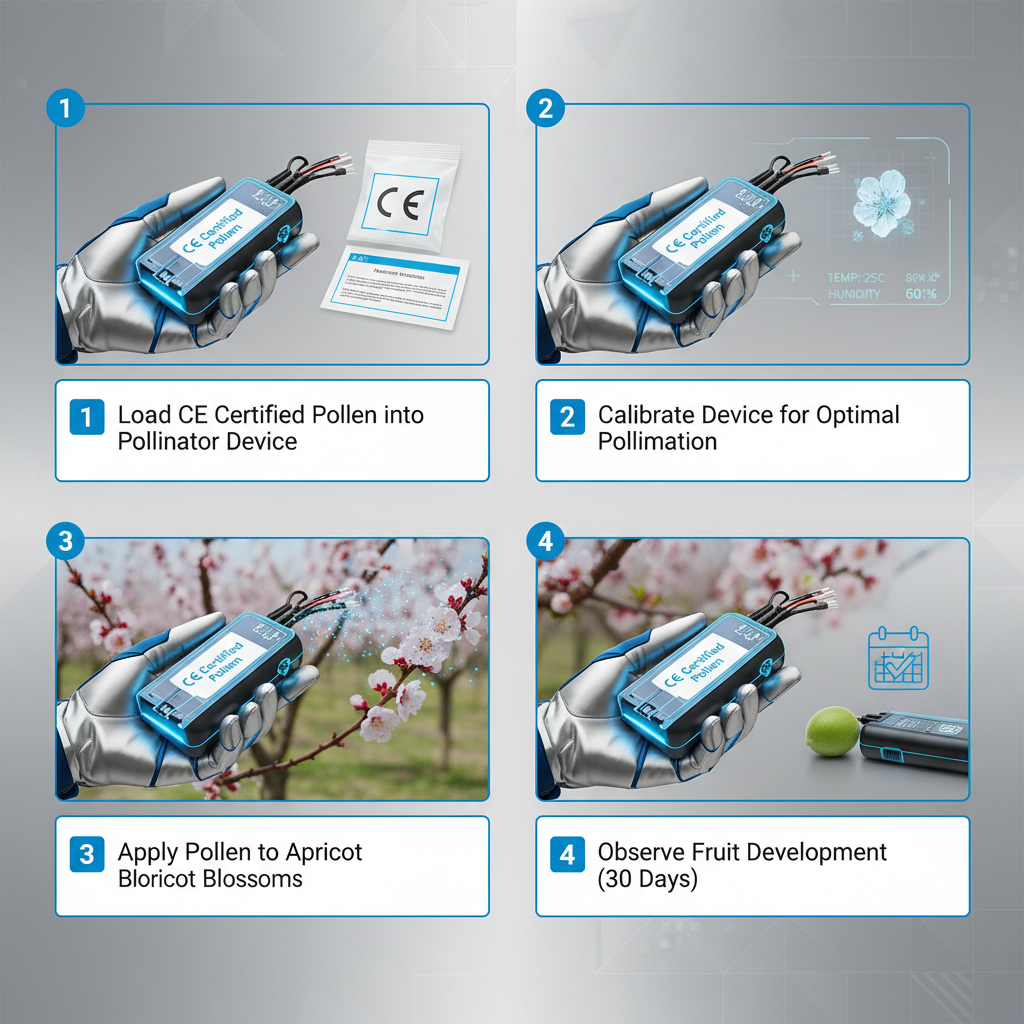
Ce Certification Pollen for Pollination in Apricot Orchard Enhances Fruit Yields
-

Understanding the Critical Effect of Pollination on Pear Trees for Optimal Yields

 English
  Afrikaans
  Albanian
  Amharic
  Arabic
  Armenian
  Azerbaijani
  Basque
  Belarusian
  Bengali
  Bosnian
  Bulgarian
  Catalan
  Cebuano
  Corsican
  Croatian
  Czech
Czech  Danish
  Dutch
Dutch  Esperanto
  Estonian
  Finnish
  French
  Frisian
  Galician
  Georgian
  German
  Greek
Greek  Gujarati
  Haitian Creole
  Hausa
Hausa  Hawaiian
  Hebrew
  Hindi
Hindi  Miao
Miao  Hungarian
  Icelandic
  Igbo
Igbo  Indonesian
  Irish
Irish  Italian
  Japanese
  Javanese
  Kannada
  Kazakh
  Khmer
Khmer  Rwandese
  Korean
  Kurdish
  Kyrgyz
  Lao
Lao  Latin
Latin  Latvian
  Lithuanian
  Luxembourgish
  Macedonian
  Malgashi
  Malay
Malay  Malayalam
  Maltese
  Maori
Maori  Marathi
  Mongolian
  Myanmar
  Nepali
  Norwegian
  Norwegian
  Occitan
  Pashto
  Persian
  Polish
  Portuguese
  Punjabi
  Romanian
  Russian
  Samoan
  Scottish Gaelic
  Serbian
  Sesotho
  Shona
Shona  Sindhi
  Sinhala
  Slovak
  Slovenian
  Somali
  Spanish
  Sundanese
  Swahili
  Swedish
  Tagalog
  Tajik
Tajik  Tamil
Tamil  Tatar
Tatar  Telugu
  Thai
Thai  Turkish
  Turkmen
  Ukrainian
  Urdu
Urdu  Uighur
  Uzbek
Uzbek  Vietnamese
  Welsh
Welsh  Bantu
Bantu  Yiddish
  Yoruba
  Zulu
Zulu