Kiwi pollen, a minute yet vital component of the kiwi fruit’s reproductive cycle, is increasingly gaining attention beyond its biological role. While traditionally understood within the context of horticulture and agriculture, its unique properties are sparking interest in diverse fields ranging from biomimicry to advanced material science. The global demand for sustainable and innovative resources is driving exploration into the potential applications of this often-overlooked natural product. Understanding kiwi pollen's composition and capabilities is crucial for unlocking its full potential.
The economic significance of kiwi fruit production – a multi-billion dollar industry globally, with New Zealand leading the way – indirectly elevates the importance of kiwi pollen. As agricultural practices evolve toward greater efficiency and sustainability, optimizing pollination strategies involving kiwi pollen becomes paramount. Moreover, growing concerns regarding declining pollinator populations globally (as reported by organizations like the UN Environment Programme) underscore the need for innovative solutions that leverage natural resources like kiwi pollen.
The rising interest in natural and biodegradable materials further amplifies the relevance of researching kiwi pollen. Its inherent biological structure and chemical composition provide a compelling basis for developing eco-friendly alternatives to synthetic polymers and other resource-intensive materials. This shift towards bio-based solutions is driven by both consumer demand and stringent environmental regulations, positioning kiwi pollen as a potential contributor to a more circular economy.
Introduction to Kiwi Pollen
Kiwi pollen, often appearing as a fine, yellowish powder, is the male reproductive element of the kiwi plant ( Actinidia deliciosa). Its successful transfer is fundamental to the fruit’s development and quality. Recent research demonstrates that the composition of kiwi pollen varies based on cultivar, growing conditions, and even time of day, adding complexity to its potential applications.
Beyond its essential role in kiwi fruit production, kiwi pollen holds promise as a sustainable resource. Its unique protein and carbohydrate profile, combined with its natural biodegradability, positions it as a viable candidate for numerous bio-based applications. Exploring these avenues aligns with the increasing global emphasis on circular economy principles and environmentally friendly alternatives.
Defining Kiwi Pollen
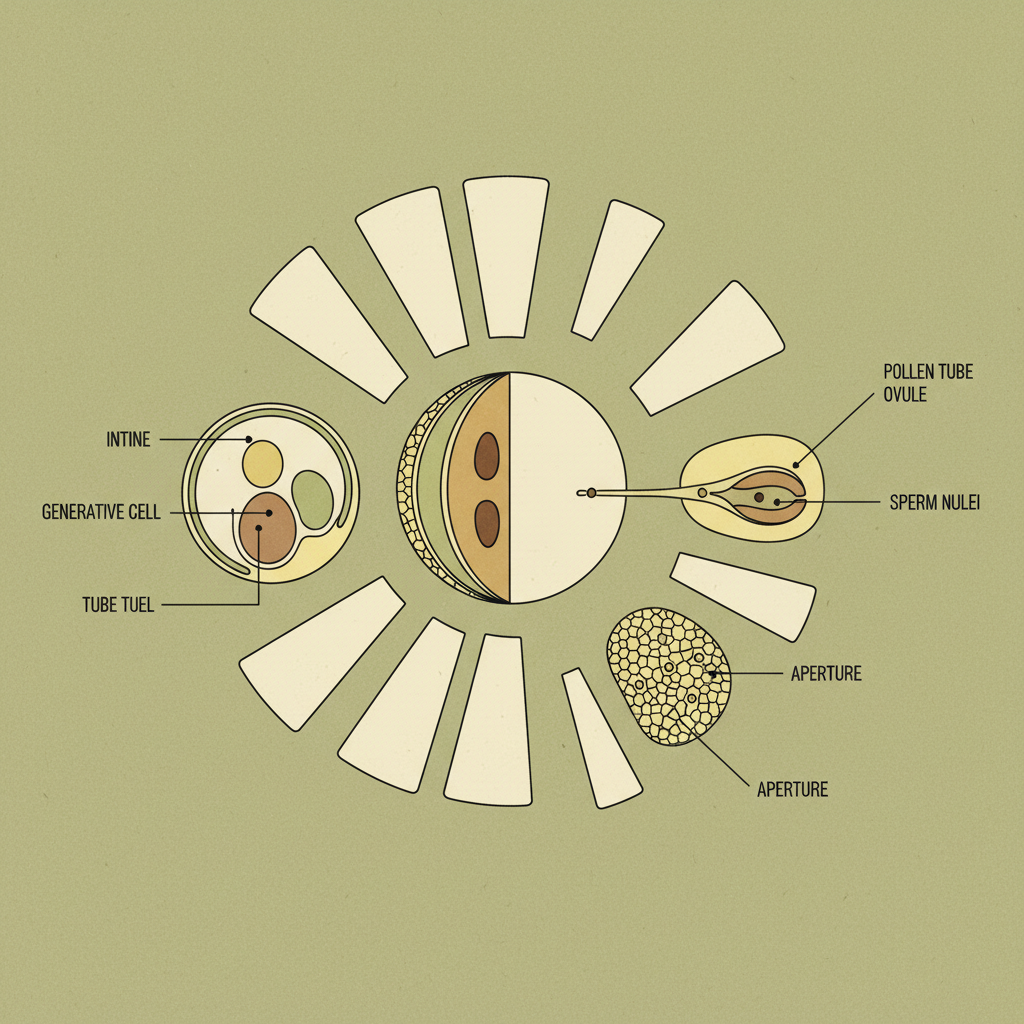
Simply put, kiwi pollen consists of microscopic grains released by the male flowers of the kiwi plant. Each grain contains the male gametes necessary for fertilization, leading to the development of the kiwi fruit. However, this definition only scratches the surface. Biochemically, kiwi pollen is a complex mixture of proteins, carbohydrates, lipids, and various micronutrients.
Its connection to modern industry stems from the growing demand for sustainable, bio-based materials. The proteins within kiwi pollen, for example, exhibit unique structural properties that could be harnessed in the development of biodegradable packaging or biocompatible polymers. Furthermore, its inherent antioxidant properties are attracting attention within the cosmetic and pharmaceutical sectors.
Understanding the granular composition of kiwi pollen is essential. The exine, or outer wall of the pollen grain, is remarkably durable and resistant to degradation, offering potential applications in areas such as controlled-release drug delivery or as a reinforcing agent in composite materials.
Core Characteristics of Kiwi Pollen
One of the defining characteristics of kiwi pollen is its relatively high protein content, often exceeding 20% by dry weight. These proteins are not simply structural components; many exhibit bioactive properties, including antioxidant and antimicrobial activity. The specific amino acid profile contributes to its potential as a nutritional supplement.
Kiwi pollen also boasts a significant carbohydrate fraction, primarily composed of sucrose, fructose, and glucose. This sugar content provides energy for the pollen's development and germination but also offers possibilities for fermentation processes and the production of bioethanol or other biofuels. The precise carbohydrate composition is influenced by factors like climate and kiwi variety.
Another key characteristic is its lipid content, encompassing various fatty acids, including essential omega-3 and omega-6 fatty acids. These lipids contribute to the pollen's nutritional value and also play a role in its stability and protection. The presence of sterols further enhances its potential applications in pharmaceutical formulations.
Practical Applications of Kiwi Pollen
Beyond its natural function, kiwi pollen is demonstrating potential in several practical applications. One promising area is biomaterial development, where its protein structure can be utilized to create biodegradable films and coatings for packaging. This presents a sustainable alternative to petroleum-based plastics.
In the agricultural sector, research suggests that kiwi pollen extracts can enhance plant growth and resilience. Its bioactive compounds stimulate root development and improve resistance to certain fungal diseases, potentially reducing the reliance on synthetic pesticides.
Kiwi Pollen Application Ratings
Global Usage Scenarios
New Zealand, as the world’s leading kiwi fruit producer, is at the forefront of kiwi pollen research and application. Local companies are exploring its use in developing sustainable packaging materials and natural health supplements. Initiatives are underway to optimize pollen collection and processing techniques.
In Italy, another significant kiwi-growing region, researchers are investigating the potential of kiwi pollen extract as a biostimulant for enhancing crop yields and improving fruit quality. This aligns with the growing demand for organic and sustainable agricultural practices within the European Union.
Advantages and Future Prospects
The primary advantage of utilizing kiwi pollen lies in its sustainability. As a byproduct of fruit production, its use reduces waste and promotes a circular economy. Furthermore, its inherent biodegradability offers a compelling alternative to synthetic materials, mitigating environmental concerns associated with plastic pollution.
Looking ahead, the future of kiwi pollen applications is bright. Advancements in extraction and purification technologies will unlock greater versatility. Integrating kiwi pollen into novel biomaterials, alongside other natural polymers, will expand its potential across diverse industries.
Beyond its environmental benefits, the use of kiwi pollen fosters innovation and supports the development of value-added products, strengthening the economic viability of the kiwi fruit industry and promoting a sustainable future for agriculture.
Current Challenges and Solutions
A significant challenge in utilizing kiwi pollen is the variability in its composition due to factors like climate, cultivar, and harvest time. This inconsistency can hinder its use in applications requiring standardized properties. Developing robust quality control measures and standardized extraction protocols is essential.
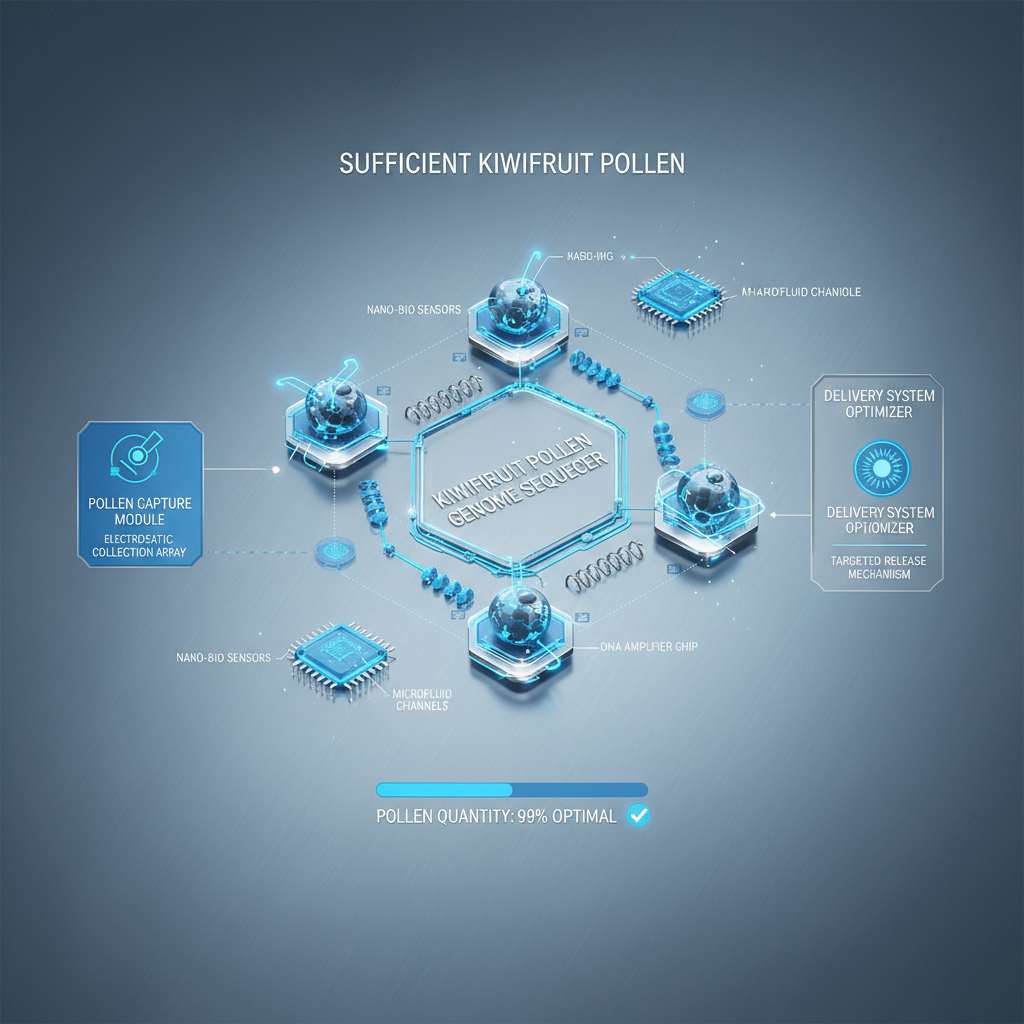
Another hurdle is the relatively low concentration of pollen available compared to the potential demand. Optimizing pollen collection techniques and exploring methods for large-scale cultivation are crucial to address this limitation. Innovative harvesting technologies and efficient processing methods are needed.
Finally, overcoming consumer perception and establishing market acceptance for products containing kiwi pollen requires effective communication and education. Highlighting its sustainability, nutritional benefits, and unique properties will be key to driving adoption and fostering a broader understanding of its value.
Key Challenges and Solutions Related to Kiwi Pollen Utilization
| Challenge |
Impact on Kiwi Pollen Use |
Proposed Solution |
Implementation Timeline |
| Compositional Variability |
Inconsistent product quality, hindering large-scale application |
Standardized extraction and analysis protocols |
6-12 months |
| Limited Pollen Supply |
Restricts commercial viability of certain applications |
Optimization of pollen collection and potential cultivation |
12-24 months |
| Lack of Public Awareness |
Slows market adoption and consumer acceptance |
Educational campaigns highlighting benefits |
Ongoing |
| Processing Costs |
Increases final product price, reducing competitiveness |
Development of more efficient extraction techniques |
18-36 months |
| Regulatory Hurdles |
Delays approval for use in food, cosmetics, and pharmaceuticals |
Proactive engagement with regulatory agencies |
Ongoing |
| Storage Stability |
Degradation of active compounds during long-term storage |
Development of protective packaging and storage conditions |
6-12 months |
FAQS
Kiwi pollen offers a compelling sustainable alternative to synthetic materials due to its biodegradability, renewability, and low environmental impact. Unlike petroleum-based plastics, kiwi pollen is a byproduct of fruit production, minimizing waste and contributing to a circular economy. Its inherent bioactivity also adds unique functionalities, such as antioxidant properties, which are absent in synthetic materials.
The geographic origin significantly impacts the quality and composition of kiwi pollen. Factors like climate, soil conditions, and specific kiwi cultivars influence the pollen’s protein content, carbohydrate profile, and antioxidant levels. Pollen from regions with optimal growing conditions generally exhibits higher concentrations of bioactive compounds and improved stability.
Kiwi pollen’s antioxidant properties and rich nutrient content make it an attractive ingredient for cosmetic formulations. It can be used in anti-aging creams, serums, and masks to protect the skin from free radical damage and promote collagen production. Its moisturizing properties also contribute to improved skin hydration and elasticity.
While generally considered safe, kiwi pollen can potentially trigger allergic reactions in individuals sensitive to kiwi fruit or other pollen types. Allergy testing is recommended before using kiwi pollen-based products, especially for topical applications. Proper processing and purification methods can minimize the allergenic potential, but caution is still advised.
Scaling up kiwi pollen production presents challenges related to collection efficiency, processing costs, and maintaining consistent quality. Optimizing pollen harvesting techniques, developing efficient extraction and purification methods, and ensuring standardized quality control are crucial for overcoming these hurdles. Investment in research and infrastructure is essential for large-scale commercialization.
Current research focuses on utilizing kiwi pollen in diverse areas, including biodegradable packaging, bioactive coatings, pharmaceutical drug delivery systems, and agricultural biostimulants. Scientists are investigating the potential of its proteins and carbohydrates to create novel materials with enhanced properties. Studies are also underway to assess its efficacy in promoting plant growth and improving crop yields.
Conclusion
Kiwi pollen represents a promising, largely untapped resource with the potential to contribute to a more sustainable and innovative future. Its unique composition, biodegradability, and bioactive properties position it as a viable alternative to synthetic materials across a range of industries, from packaging and agriculture to cosmetics and pharmaceuticals. The development of standardized extraction methods and scalable production techniques will be key to unlocking its full potential.
Further research and investment are crucial to overcome existing challenges and accelerate the adoption of kiwi pollen-based technologies. By embracing a holistic approach that prioritizes sustainability, innovation, and collaboration, we can harness the power of this natural resource to create a more circular economy and address pressing global challenges. To learn more about the innovative applications of kiwi pollen, visit our website: jmlpollen.




 English
  Afrikaans
  Albanian
  Amharic
  Arabic
  Armenian
  Azerbaijani
  Basque
  Belarusian
  Bengali
  Bosnian
  Bulgarian
  Catalan
  Cebuano
  Corsican
  Croatian
  Czech
Czech  Danish
  Dutch
Dutch  Esperanto
  Estonian
  Finnish
  French
  Frisian
  Galician
  Georgian
  German
  Greek
Greek  Gujarati
  Haitian Creole
  Hausa
Hausa  Hawaiian
  Hebrew
  Hindi
Hindi  Miao
Miao  Hungarian
  Icelandic
  Igbo
Igbo  Indonesian
  Irish
Irish  Italian
  Japanese
  Javanese
  Kannada
  Kazakh
  Khmer
Khmer  Rwandese
  Korean
  Kurdish
  Kyrgyz
  Lao
Lao  Latin
Latin  Latvian
  Lithuanian
  Luxembourgish
  Macedonian
  Malgashi
  Malay
Malay  Malayalam
  Maltese
  Maori
Maori  Marathi
  Mongolian
  Myanmar
  Nepali
  Norwegian
  Norwegian
  Occitan
  Pashto
  Persian
  Polish
  Portuguese
  Punjabi
  Romanian
  Russian
  Samoan
  Scottish Gaelic
  Serbian
  Sesotho
  Shona
Shona  Sindhi
  Sinhala
  Slovak
  Slovenian
  Somali
  Spanish
  Sundanese
  Swahili
  Swedish
  Tagalog
  Tajik
Tajik  Tamil
Tamil  Tatar
Tatar  Telugu
  Thai
Thai  Turkish
  Turkmen
  Ukrainian
  Urdu
Urdu  Uighur
  Uzbek
Uzbek  Vietnamese
  Welsh
Welsh  Bantu
Bantu  Yiddish
  Yoruba
  Zulu
Zulu