Apple pollen, a seemingly delicate biological entity, is gaining increasing attention globally due to its potential applications beyond traditional pollination. The fine particulate nature of apple pollen, combined with its inherent biodegradability, is sparking research into its use in diverse fields ranging from environmental monitoring to advanced material science. Understanding its properties and harvesting techniques is crucial for unlocking these novel applications, impacting industries and research worldwide.
The increasing demand for sustainable and eco-friendly materials drives the investigation of alternatives to synthetic compounds. Apple pollen presents a compelling option, boasting a readily available, renewable resource—particularly in regions with significant apple cultivation. This availability, coupled with growing awareness of environmental concerns, positions apple pollen as a vital element in creating a circular economy and reducing reliance on fossil fuel-based products.
From agricultural optimization to pioneering new biomaterials, the exploration of apple pollen promises innovation and sustainability. Its unique characteristics are being investigated by scientists and entrepreneurs alike, paving the way for a future where nature’s smallest particles contribute to significant global advancements.

The Significance of Apple Pollen
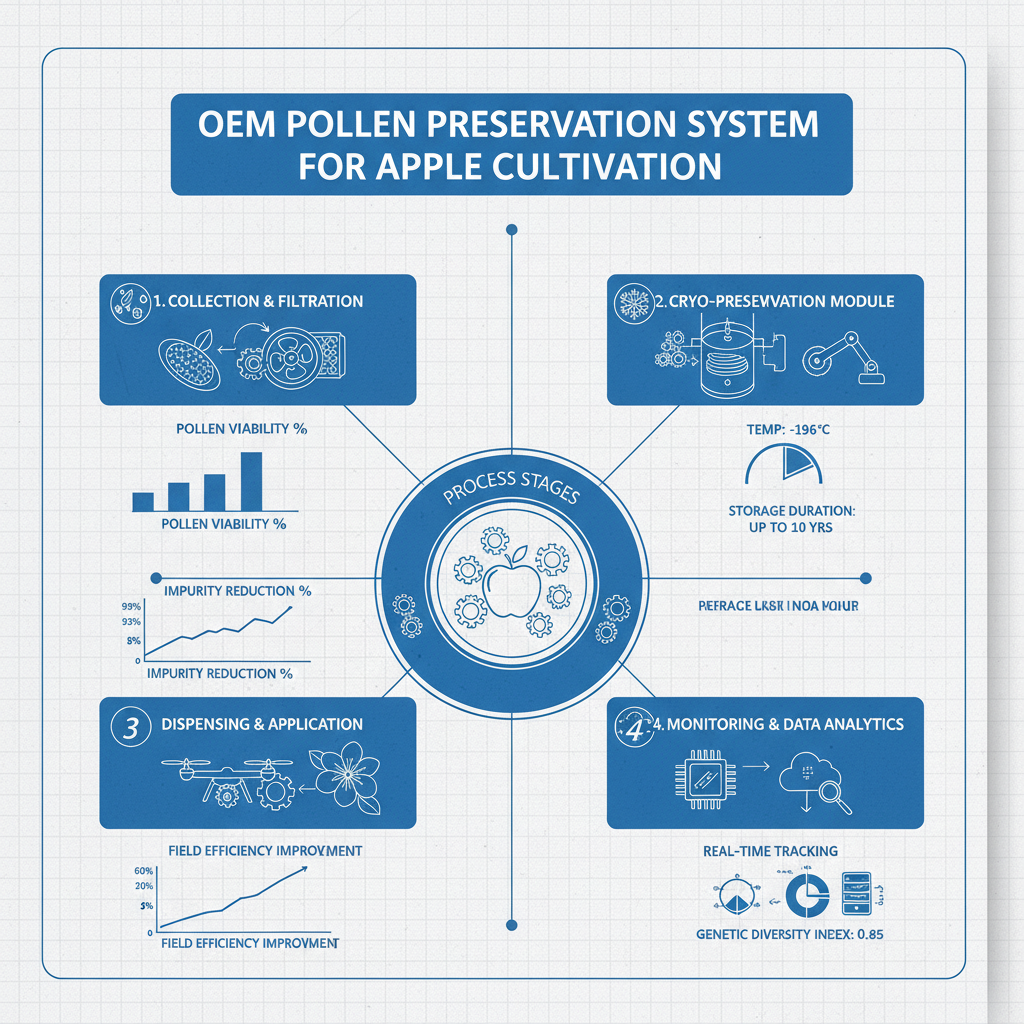
The study of apple pollen extends beyond traditional botany and into the realm of advanced materials science. The unique composition and structure of apple pollen granules make them attractive candidates for a range of innovative applications. Research is revealing its potential as a biocompatible material, suitable for drug delivery systems, and even as a sustainable component in bioplastics.
The significance of apple pollen also lies in its abundance as a byproduct of apple farming. Millions of tons are produced annually, often regarded as agricultural waste. Repurposing this resource aligns with principles of the circular economy and reduces environmental impact, offering a sustainable alternative to resource-intensive materials.
FAQS
Apple pollen is derived from a renewable resource—apple blossoms—and is readily biodegradable, minimizing environmental impact. Unlike petroleum-based plastics, it doesn’t contribute to long-term pollution. Utilizing apple pollen as a material also reduces agricultural waste, promoting a circular economy. Its production requires significantly less energy compared to synthetic alternatives, reducing carbon emissions and supporting a more sustainable lifecycle. It’s a natural alternative for a variety of applications.
While apple pollen is generally considered less allergenic than many other pollen types, some individuals with pollen allergies may experience sensitivity. The allergenic potential varies based on individual sensitivities and processing methods. Thorough purification and processing can significantly reduce the presence of allergenic proteins. Further research is ongoing to develop hypoallergenic apple pollen-based products. apple pollen processing is key.
Traditionally, apple pollen is collected manually from apple blossoms using brushes or vacuum-like devices. However, this method is labor-intensive and inefficient. Emerging technologies include automated pollen collection systems utilizing air filtration and electrostatic methods. These technologies aim to streamline the collection process, reduce costs, and increase the scalability of apple pollen harvesting. Research is also exploring methods to capture pollen during orchard shaking operations.
Current limitations include the relatively high cost of efficient pollen collection and processing. Scaling up production to meet industrial demand is a challenge. The mechanical properties of pure apple pollen may not be sufficient for certain applications, requiring modification through blending with other materials. Furthermore, standardization of pollen quality and consistency is needed to ensure reliable performance in diverse applications. Addressing these limitations is crucial for broader adoption.
Apple pollen is rich in proteins, vitamins, and antioxidants, making it a potential nutritional supplement. However, it’s essential to ensure the pollen is sourced from organically grown apples to avoid pesticide contamination. Consumption of apple pollen should be approached cautiously, as it can trigger allergic reactions in sensitive individuals. Further research is needed to determine optimal dosages and potential health benefits, along with any possible side effects.
The market size for apple pollen-based products is currently nascent but exhibits significant growth potential. Driven by increasing demand for sustainable materials and bio-based solutions, the market is projected to expand rapidly in the coming years. Key sectors driving growth include packaging, cosmetics, pharmaceuticals, and agriculture. Precise market size estimates are challenging due to the emerging nature of the industry, but projections indicate substantial opportunities for innovation and investment.
Conclusion
Apple pollen stands as a promising, sustainable, and versatile resource with the potential to revolutionize various industries. Its unique properties, coupled with the growing global focus on environmental responsibility, position it as a valuable alternative to traditional, less sustainable materials. From enhancing packaging and cosmetics to advancing pharmaceutical applications, apple pollen offers a wealth of opportunities for innovation and economic growth.
Continued research and development, coupled with supportive policies and industry collaboration, are crucial for unlocking the full potential of apple pollen. Investing in efficient collection methods, standardized processing techniques, and exploring novel applications will pave the way for a more sustainable future. Visit our website at www.jmlpollen.com to learn more about the exciting possibilities of apple pollen.
Related Posts
-
Why Is China Leading Pear Pollen Supplier Showcasing Innovation at Macfrut?
-
Optimizing Pollination Pollen of Kiwifruit in Orchard for Enhanced Yield and Quality
-

Optimizing Autumn Moon Pear Production with Specialized Pear Flower Powder
-
Ce Certification Apricot Pollen Forecast Impact on Health and Resource Management

 English
  Afrikaans
  Albanian
  Amharic
  Arabic
  Armenian
  Azerbaijani
  Basque
  Belarusian
  Bengali
  Bosnian
  Bulgarian
  Catalan
  Cebuano
  Corsican
  Croatian
  Czech
Czech  Danish
  Dutch
Dutch  Esperanto
  Estonian
  Finnish
  French
  Frisian
  Galician
  Georgian
  German
  Greek
Greek  Gujarati
  Haitian Creole
  Hausa
Hausa  Hawaiian
  Hebrew
  Hindi
Hindi  Miao
Miao  Hungarian
  Icelandic
  Igbo
Igbo  Indonesian
  Irish
Irish  Italian
  Japanese
  Javanese
  Kannada
  Kazakh
  Khmer
Khmer  Rwandese
  Korean
  Kurdish
  Kyrgyz
  Lao
Lao  Latin
Latin  Latvian
  Lithuanian
  Luxembourgish
  Macedonian
  Malgashi
  Malay
Malay  Malayalam
  Maltese
  Maori
Maori  Marathi
  Mongolian
  Myanmar
  Nepali
  Norwegian
  Norwegian
  Occitan
  Pashto
  Persian
  Polish
  Portuguese
  Punjabi
  Romanian
  Russian
  Samoan
  Scottish Gaelic
  Serbian
  Sesotho
  Shona
Shona  Sindhi
  Sinhala
  Slovak
  Slovenian
  Somali
  Spanish
  Sundanese
  Swahili
  Swedish
  Tagalog
  Tajik
Tajik  Tamil
Tamil  Tatar
Tatar  Telugu
  Thai
Thai  Turkish
  Turkmen
  Ukrainian
  Urdu
Urdu  Uighur
  Uzbek
Uzbek  Vietnamese
  Welsh
Welsh  Bantu
Bantu  Yiddish
  Yoruba
  Zulu
Zulu