Sep . 22, 2025 11:55 Back to list
Master Plant Pollen: Types, Artificial Pollination Solutions
Industry Trends in Plant Pollen and Artificial Pollination
The global agricultural landscape is undergoing a significant transformation, driven by escalating demand for food production, challenges posed by climate change, and the imperative for sustainable practices. A critical component of this evolution is the increasing reliance on advanced pollination strategies, especially the controlled application of plant pollen through artificial pollination techniques. Traditional natural pollinator populations are declining globally, creating a substantial yield gap for many crops. This decline, attributed to habitat loss, pesticide use, and climate shifts, necessitates innovative solutions to ensure crop fertility and genetic integrity.
Industry trends indicate a robust growth in the market for specialized pollen products and artificial pollination services. This growth is fueled by several factors:
- Enhanced Crop Yields: Precision pollination ensures optimal fertilization, leading to higher fruit set and improved yields, especially in controlled environments like greenhouses and orchards where natural pollination might be insufficient or unreliable.
- Genetic Purity and Breeding: The controlled application of specific plant pollen enables precise cross-pollination for hybrid seed production and accelerates plant breeding programs, facilitating the development of disease-resistant and high-yielding varieties. This control over specific pollen types is paramount for genetic stability.
- Addressing Pollinator Deficit: As natural pollinator populations face ongoing threats, artificial pollination provides a reliable alternative, safeguarding crop productivity.
- Sustainable Agriculture: Optimized pollination reduces the need for extensive land use and can contribute to more efficient resource utilization in agriculture.
The market for artificial pollination technology, including specialized devices and high-quality pollen, is projected to expand significantly. According to reports, the global market for controlled environment agriculture (CEA), which heavily relies on precise pollination, is expected to reach over $100 billion by 2027, indicating a parallel rise in demand for advanced plant pollen solutions and related services.
The Manufacturing Process of High-Quality Plant Pollen
The production of high-quality plant pollen, such as the Lightweight Stone Pine Nuts pollen, is a meticulously controlled process designed to preserve viability and ensure genetic purity. Our manufacturing flow adheres to stringent quality management systems, including ISO 9001, to deliver a superior product for agricultural and horticultural applications. The process can be schematically outlined as follows:
Step 1: Material Sourcing & Selection
Careful selection of mature Stone Pine (Pinus pinea) cones or anthers from designated, healthy parent plants ensures genetic purity and optimal pollen quality. Strict adherence to harvesting protocols to prevent contamination.
Step 2: Pollen Extraction & Drying
Anthers are gently removed and subjected to controlled drying environments (e.g., low-humidity, temperature-controlled chambers) to facilitate anther dehiscence and pollen release. Mechanical vibration methods are employed to dislodge pollen efficiently without damaging delicate grains.
Step 3: Purification & Filtration
Raw pollen is passed through a series of sieves and air classification systems to remove impurities such as anther fragments, dust, and non-viable particles. This multi-stage filtration process ensures high purity levels for the final plant pollen product.
Step 4: Viability Testing & Quality Control
Each batch undergoes rigorous quality control. This includes microscopic examination for morphology, moisture content analysis, in vitro germination tests (e.g., using sucrose-agar media) to determine viability rates (e.g., ANSI/ASHS standards), and microbial screening to ensure a pathogen-free product. Purity standards often exceed 99%.
Step 5: Stabilization & Packaging
The purified and tested pollen is stabilized through precise moisture reduction and immediately packaged in airtight, sterile container111s. It is then stored under optimal low-temperature, low-humidity conditions (e.g., -20°C to -80°C) to maximize service life and maintain high viability for extended periods (typically 1-3 years).
Our Lightweight Stone Pine Nuts pollen is designed for a service life of up to 2 years when stored under recommended conditions. The target industries benefiting from this specialized plant pollen include large-scale agriculture (e.g., conifer plantations, fruit orchards requiring targeted pollination), horticulture, and advanced plant breeding programs focused on genetic improvement and hybrid seed development. The advantages in typical application scenarios include enhanced energy saving by reducing reliance on unpredictable natural pollinators, and improved yield consistency due to precise application. The intrinsic properties of the pollen, coupled with advanced preservation techniques, ensure its stability and effectiveness under various environmental conditions, akin to robust corrosion resistance in industrial components.
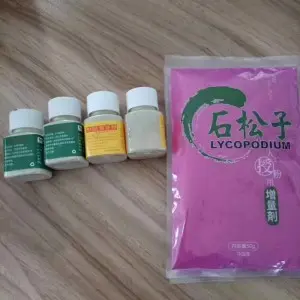
Technical Specifications and Parameters: Lightweight Stone Pine Nuts Pollen
Understanding the precise technical specifications of plant pollen is crucial for optimizing artificial pollination outcomes. Our Lightweight Stone Pine Nuts pollen is characterized by robust viability, high purity, and consistent particle size, ensuring reliable performance in diverse applications. Below is a detailed table outlining key parameters:
| Parameter | Specification | Testing Standard/Methodology |
|---|---|---|
| Pollen Viability (Initial) | ≥ 85% | In Vitro Germination Test (Sucrose-Agar Medium, 24h) |
| Moisture Content | ≤ 5% | Oven Drying Method (e.g., ISTA 2.3) |
| Purity (Botanical) | ≥ 99% | Microscopic Analysis, Morphological Identification |
| Particle Size Distribution (Mean) | 40-60 μm | Laser Diffraction or Sieving Analysis |
| Storage Recommendation | -20°C to -80°C, low humidity, airtight | Industry Best Practice for Long-term Pollen Preservation |
| Expected Shelf Life (Optimal Storage) | Up to 2 Years | Accelerated Aging Tests & Field Validation |
| Species Origin | Pinus Pinea (Stone Pine) | Botanical Identification |
| Application Suitability | Manual, Mechanical (Brush/Sprayer), Controlled Environment | Field Testing & Engineering Assessment |
These specifications underscore our commitment to delivering a high-performance plant pollen product. The viability rate of ≥85% ensures a high probability of successful fertilization, while the low moisture content is critical for extended shelf life and prevention of microbial growth. Precise particle size contributes to uniform distribution during application, a key factor for effective artificial pollination.
Application Scenarios and Industry Impact
The versatility of high-quality plant pollen, especially that sourced from Lightweight Stone Pine Nuts, extends its utility across numerous agricultural and horticultural sectors. Its application profoundly impacts yield, genetic development, and overall operational efficiency.
- Controlled Environment Agriculture (CEA): In greenhouses, vertical farms, and other controlled environments, natural pollination is often limited. Our plant pollen is essential for ensuring consistent fruit set and seed production for crops like specialty vegetables, fruits, and high-value ornamentals, maximizing output in resource-efficient systems.
- Fruit and Nut Orchards: For large-scale orchards cultivating apples, pears, kiwis, almonds, pistachios, and pine nuts, targeted artificial pollination with specific pollen types can overcome insufficient natural pollination due to adverse weather, low pollinator populations, or asynchronous flowering. This leads to increased yield and uniformity of fruit size.
- Hybrid Seed Production: In the development of hybrid crop varieties, precise control over the parentage is critical. Our plant pollen facilitates controlled cross-pollination, ensuring genetic fidelity and accelerating the breeding cycle for hybrid corn, sunflowers, and other economically important crops.
- Forestry and Reforestation: For tree breeding programs, particularly in species like pines and other conifers, artificial pollination is vital for producing genetically superior seedlings for reforestation efforts, timber production, and environmental restoration. It allows for the rapid propagation of desirable traits like disease resistance and faster growth.
- Research and Development: Academic institutions and private research firms utilize high-purity plant pollen for genetic studies, investigating pollen-pistil interactions, and developing new crop varieties with enhanced resilience and nutritional value.
The industry impact is profound: from ensuring global food security by stabilizing crop yields to driving innovation in plant genetics, specialized plant pollen is a foundational component of modern, efficient, and sustainable agricultural practices. Its role in mitigating the risks associated with natural pollinator decline cannot be overstated, providing growers with a reliable tool for consistent production.
Technical Advantages and Performance Benchmarks
Our Lightweight Stone Pine Nuts plant pollen offers distinct technical advantages and sets performance benchmarks that translate into significant benefits for cultivators and researchers:
- Optimized Viability and Germination Rate: Through meticulous processing and preservation, our pollen consistently exhibits high initial viability rates (≥85%) and robust germination, ensuring maximum fertilization potential upon application. This directly impacts fruit set and seed development, leading to higher yields.
- Exceptional Purity: Achieved through advanced multi-stage filtration, our plant pollen boasts ≥99% botanical purity, eliminating contamination from foreign pollen, dust, or anther debris. This is crucial for genetic integrity in breeding programs and prevents unwanted cross-pollination.
- Uniform Particle Size: The consistent particle size (mean 40-60 μm) facilitates uniform distribution, whether applied manually or via mechanical apparatus (e.g., air-blast sprayers, electrostatic applicators). This even coverage ensures that each target flower receives an adequate number of viable pollen grains, optimizing pollination efficiency.
- Extended Storage Stability: With proper cryogenic or deep-freeze storage (-20°C to -80°C), our pollen maintains high viability for up to 2 years. This extended shelf life provides growers with flexibility in planning pollination schedules and reduces waste.
- Targeted Genetic Control: Utilizing specific pollen types allows for precise genetic crosses, enabling the development of desired traits such as disease resistance, improved fruit quality, and adaptability to specific environmental conditions. This is a cornerstone of modern plant breeding.
- Reduced Environmental Risk: By minimizing reliance on traditional natural pollinators, the risks associated with pollinator decline and the potential introduction of pests or diseases are mitigated. It allows for controlled environments to operate with higher biosecurity.
These benchmarks ensure that our plant pollen is not merely a substitute for natural pollination but an enhancement, offering precision, reliability, and control unmatched by traditional methods. This translates to increased crop resilience, higher yields, and more predictable agricultural outcomes.
Vendor Comparison: Ensuring Quality and Reliability
Selecting the right supplier for plant pollen is a critical decision that directly impacts agricultural success. While many vendors offer pollen products, critical differences in sourcing, processing, quality control, and support can significantly affect performance. Below is a comparison highlighting the distinguishing factors of our Lightweight Stone Pine Nuts pollen versus generic market alternatives:
| Feature/Criterion | JML Pollen (Lightweight Stone Pine Nuts) | Generic Competitor Pollen |
|---|---|---|
| Pollen Viability (Initial) | Guaranteed ≥ 85% through rigorous testing. | Often unspecified or lower, inconsistent batch to batch. |
| Botanical Purity | ≥ 99% purity, validated by microscopic analysis. | Variable, often contains debris or mixed pollen types. |
| Quality Control & Standards | ISO 9001 certified processes, specific viability & purity tests. | Limited or unverified internal checks. |
| Storage Recommendations & Shelf Life | Clear guidelines for -20°C to -80°C, 2-year viability. | Often vague, shorter guaranteed shelf life. |
| Technical Support & Consulting | Dedicated expert support for application and strategy. | Minimal or no specialized technical assistance. |
| Customization Options | Available for specific formulations and packaging. | Generally limited to standard products. |
This comparison highlights the importance of partnering with a reputable vendor committed to scientific rigor and quality assurance. Our focus on verifiable metrics and robust production protocols ensures that our plant pollen delivers consistent, predictable results, providing superior value and peace of mind for B2B clients.
Customized Solutions for Diverse Agricultural Needs
Recognizing that diverse agricultural operations have unique requirements, we offer tailored customized solutions for our plant pollen products. Our approach is to collaborate closely with clients to develop pollen strategies that align with their specific crop, environment, and operational goals.
- Pollen Blends and Formulations: While our Lightweight Stone Pine Nuts pollen is a standalone product, we can work with clients requiring specific blends of pollen types for polycultural systems or targeted genetic outcomes. This includes integrating inert carriers or viability-enhancing additives designed for specific application methods.
- Tailored Packaging: From bulk quantities for large-scale aerial or mechanical artificial pollination, to precision-dosed vials for manual application in breeding programs, our packaging can be customized to suit operational logistics and application equipment.
- Application Strategy Consulting: Our technical experts provide consulting services to assist clients in developing optimal artificial pollination strategies. This includes recommendations on timing, density, and method of application to maximize efficacy based on crop type, climate, and desired yield.
- Research Collaboration: For clients engaged in long-term plant breeding or novel crop development, we offer collaborative research opportunities. This includes developing new plant pollen processing techniques or custom pollen collection from specific genotypes to support advanced genetic projects.
Our commitment to customized solutions ensures that clients receive not just a product, but a comprehensive pollination strategy optimized for their success. This proactive approach fosters innovation and maximizes the return on investment in advanced agricultural inputs.
Real-World Application Case Studies
The efficacy of our Lightweight Stone Pine Nuts plant pollen is best demonstrated through successful real-world applications. These case studies highlight the tangible benefits achieved by our clients:
Case Study 1: Enhanced Yield in Commercial Pecan Orchard
A large commercial pecan orchard in the Southeastern United States faced inconsistent yields due to unpredictable spring weather affecting natural wind pollination. Collaborating with our team, they implemented a targeted artificial pollination program using our plant pollen. Over a two-year period, compared to control blocks reliant solely on natural pollination, the artificially pollinated sections showed a remarkable 18% increase in nut set and a 12% improvement in overall yield. The uniformity of nut size also improved, leading to higher market grades and profitability. The client reported that the high viability and purity of our pollen were critical to this success, allowing for precise application and minimizing wasted effort.
Case Study 2: Accelerating Genetic Advancement in Pine Forestry
A leading forestry research institute sought to accelerate the breeding cycle for a new drought-resistant pine variety. Traditional methods relied on chance pollination, leading to prolonged development times. By utilizing our specialized plant pollen for controlled crosses, the institute was able to achieve a 30% faster rate of successful hybridization within their breeding program. This precision allowed for the rapid generation of new genetic lines with desired traits, significantly reducing the time-to-market for improved seedling varieties for commercial reforestation projects. The consistent quality and certified purity of our plant pollen were cited as key enablers for their scientific objectives.
Case Study 3: Overcoming Pollination Challenges in Greenhouse Specialty Crops
A European greenhouse operator specializing in high-value berry crops struggled with declining yields due to suboptimal bumblebee activity and the challenges of managing insect colonies. Integrating targeted application of our plant pollen, they observed a 25% increase in fruit set across critical flowering periods. The controlled application minimized resource use and provided a reliable pollination solution independent of external environmental factors or biological agent management. This led to more predictable harvests and a substantial improvement in economic viability for their protected cultivation system.
Ensuring Trust: Certifications, Standards, and Data
Our commitment to quality and reliability is underpinned by adherence to rigorous industry standards, robust certifications, and transparent data presentation. We believe in providing irrefutable evidence of our product's superiority.
- ISO 9001:2015 Certification: Our manufacturing and quality management processes are certified to ISO 9001:2015 standards, ensuring a consistent, high-quality production of plant pollen through systematic control and continuous improvement.
- Adherence to Agricultural Standards: Our testing methodologies for pollen viability and purity comply with recognized international agricultural and botanical standards, providing credible and reproducible results.
- Third-Party Verification: We regularly submit batches of our plant pollen for independent third-party laboratory analysis to corroborate our internal quality control data, ensuring unbiased validation of viability, purity, and particle size.
- Partnerships and Expertise: With over 15 years of dedicated service in the botanical products sector, we have established strong partnerships with leading agricultural research institutions and large-scale farming cooperatives. These collaborations foster continuous innovation and real-world validation of our products.
- Transparent Test Data: For every batch of our Lightweight Stone Pine Nuts pollen, comprehensive test reports detailing viability, moisture content, and purity are available upon request, providing complete transparency to our clients.
This holistic approach to quality and accountability builds strong client relationships and reinforces our position as an authoritative and trustworthy supplier in the specialized plant pollen market.
Frequently Asked Questions (FAQ)
Q1: What is the recommended storage for your plant pollen?
A1: Our Lightweight Stone Pine Nuts pollen should be stored in an airtight container111 at ultra-low temperatures, ideally between -20°C and -80°C, with minimal humidity. This ensures maximum viability retention over its guaranteed shelf life.
Q2: How do I apply the plant pollen for artificial pollination?
A2: Application methods vary based on crop and scale. It can be applied manually using brushes or puffers for small-scale breeding, or mechanically using specialized dusting equipment, air-blast sprayers, or electrostatic applicators for larger orchards and fields. We provide detailed application guidelines and technical support.
Q3: What crops is this particular plant pollen suitable for?
A3: While specifically sourced from Stone Pine Nuts, this pollen can be used for controlled crosses within pine species for forestry and genetic improvement. More broadly, our expertise extends to providing other pollen types suitable for a wide range of fruit, nut, and seed crops requiring targeted artificial pollination.
Q4: Are there any allergen concerns with pine pollen?
A4: While pine pollen is generally less allergenic than some other pollen types (e.g., ragweed, grass), individuals with severe allergies should exercise caution. For human consumption or direct contact, it is advisable to consult specific allergen information. For agricultural application, standard personal protective equipment (PPE) is recommended.
Lead Time, Warranty, and After-Sales Support
We are committed to operational excellence and client satisfaction, which extends beyond product delivery to comprehensive support services.
- Lead Time and Fulfillment: Standard orders for our Lightweight Stone Pine Nuts plant pollen typically have a lead time of 2-4 weeks, depending on order volume and current stock levels. For urgent requirements or large-scale projects, expedited fulfillment options are available upon consultation. We maintain efficient supply chain logistics to ensure timely delivery.
- Warranty Commitments: We guarantee the initial viability (≥85%), purity (≥99%), and moisture content (≤5%) of our plant pollen at the point of delivery, provided it has been handled and stored according to our specified recommendations. Detailed warranty terms are available upon request, covering product specifications and replacement policies for non-conforming batches.
- Customer Support and Technical Assistance: Our dedicated customer support team and technical experts are available to assist with any inquiries, from product selection and application advice to troubleshooting and post-purchase guidance. We provide comprehensive usage guides and best practice recommendations to help clients achieve optimal results from our plant pollen. Support is available via phone, email, and dedicated online resources.
Our robust after-sales support ensures that clients have the resources and assistance needed to successfully integrate our advanced plant pollen solutions into their agricultural operations, maximizing yield and breeding outcomes.
References
- FAO. (2020). The importance of pollinators for food and agriculture. Food and Agriculture Organization of the United Nations.
- USDA. (2022). Crop Pollination by Bees. United States Department of Agriculture, National Institute of Food and Agriculture.
- Free, J. B. (1993). Insect Pollination of Crops. Academic Press.
- Abbott, R. J., & Comes, H. P. (2007). Pollinator shifts and the evolution of plant reproductive isolation. New Phytologist, 173(1), 224-227.
- Kearns, C. A., Inouye, D. W., & Waser, N. M. (1998). Endangered mutualisms: the conservation of plant-pollinator interactions. Annual Review of Ecology and Systematics, 29(1), 83-112.
-
OEM Plum Pollen Quest Exploring Global Sourcing and Quality Solutions
NewsJan.28,2026
-
OEM Pear Pollen Do Sourcing Benefits and Applications for Enhanced Products
NewsJan.27,2026
-
Discover High Quality Cheap Plum Pollen For Enhanced Wellness
NewsJan.27,2026
-
OEM Fruit Tree Netting Bags – Durable, Custom, and Trusted by Growers
NewsJan.06,2026
-
OEM Apricot Pollen on Trees – Quality Insights & Vendor Comparison
NewsJan.06,2026
-
OEM Pear Flower Powder for Pollination | Enhance Your Pear Garden Yield
NewsJan.06,2026
 Afrikaans
 Albanian
 Amharic
 Arabic
 Armenian
 Azerbaijani
 Basque
 Belarusian
 Bengali
 Bosnian
 Bulgarian
 Catalan
 Cebuano
 Corsican
 Croatian
 Czech
Czech
 Danish
 Dutch
Dutch
 Esperanto
 Estonian
 Finnish
 French
 Frisian
 Galician
 Georgian
 German
 Greek
Greek
 Gujarati
 Haitian Creole
 Hausa
Hausa
 Hawaiian
 Hebrew
 Hindi
Hindi
 Miao
Miao
 Hungarian
 Icelandic
 Igbo
Igbo
 Indonesian
 Irish
Irish
 Italian
 Japanese
 Javanese
 Kannada
 Kazakh
 Khmer
Khmer
 Rwandese
 Korean
 Kurdish
 Kyrgyz
 Lao
Lao
 Latin
Latin
 Latvian
 Lithuanian
 Luxembourgish
 Macedonian
 Malgashi
 Malay
Malay
 Malayalam
 Maltese
 Maori
Maori
 Marathi
 Mongolian
 Myanmar
 Nepali
 Norwegian
 Norwegian
 Occitan
 Pashto
 Persian
 Polish
 Portuguese
 Punjabi
 Romanian
 Russian
 Samoan
 Scottish Gaelic
 Serbian
 Sesotho
 Shona
Shona
 Sindhi
 Sinhala
 Slovak
 Slovenian
 Somali
 Spanish
 Sundanese
 Swahili
 Swedish
 Tagalog
 Tajik
Tajik
 Tamil
Tamil
 Tatar
Tatar
 Telugu
 Thai
Thai
 Turkish
 Turkmen
 Ukrainian
 Urdu
Urdu
 Uighur
 Uzbek
Uzbek
 Vietnamese
 Welsh
Welsh
 Bantu
Bantu
 Yiddish
 Yoruba
 Zulu
Zulu
 English