Advanced pollination methods of pear trees are becoming increasingly vital in a world facing declining pollinator populations and rising demands for fruit production. Traditional pollination relies heavily on honeybees, but factors like colony collapse disorder and pesticide use threaten this crucial process. Exploring and implementing advanced techniques is no longer a luxury, but a necessity for ensuring the future of pear orchards globally. This is particularly important as pear cultivation supports numerous communities and contributes significantly to international trade.
The economic impact of insufficient pollination is substantial. Reduced fruit set directly translates to lower yields, impacting farmer income and increasing consumer prices. The United Nations Food and Agriculture Organization (FAO) estimates that around 75% of the world's food crops rely, at least in part, on animal pollination. For pears, this reliance is particularly high, making innovative pollination strategies paramount for food security. The development and widespread adoption of advanced pollination methods of pear trees are therefore essential.
Ultimately, mastering these advanced techniques offers a pathway to sustainable pear production, improved orchard profitability, and a more resilient food system. Understanding the nuances of each method and tailoring them to specific orchard conditions is key to maximizing their effectiveness. The following exploration delves into the core aspects of these methods and their potential for revolutionizing pear cultivation.
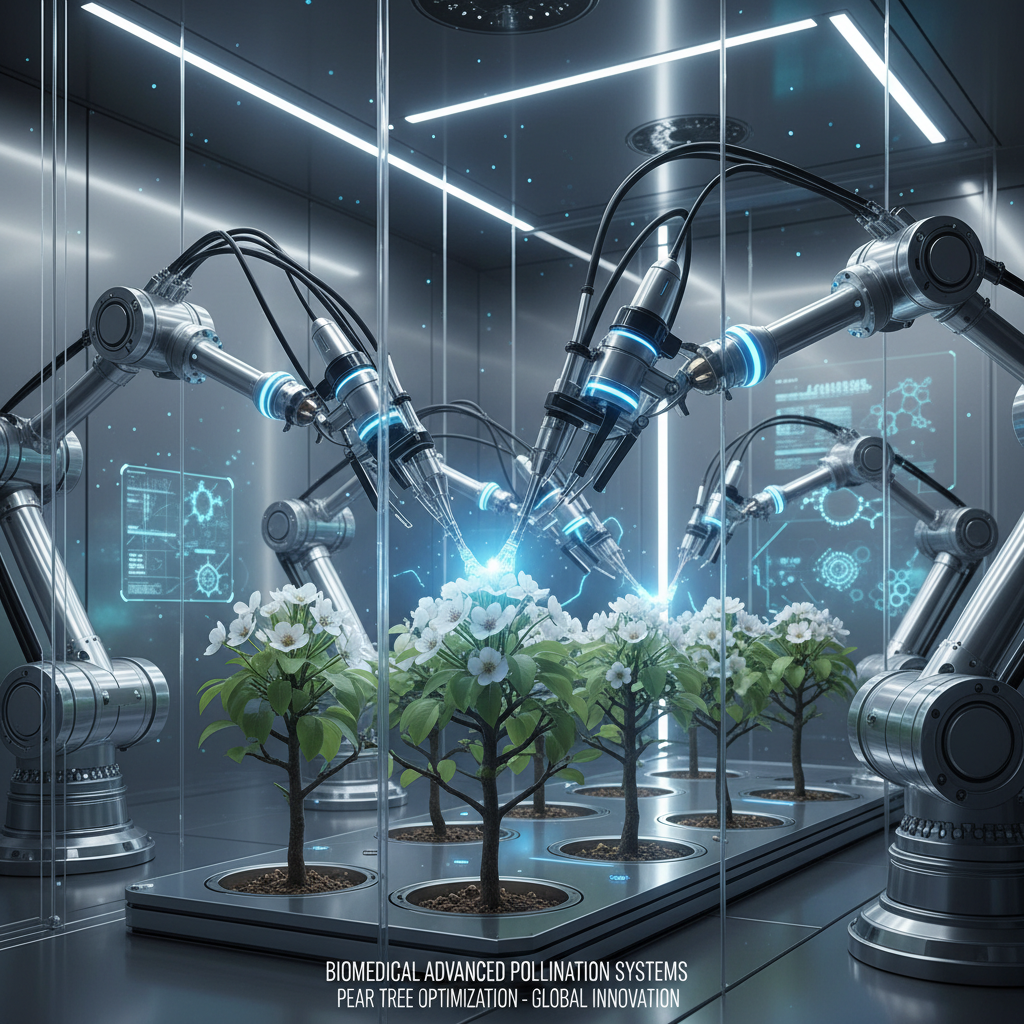
Introduction to Advanced Pear Pollination

Traditional pear pollination is often unreliable, relying on natural pollinators facing numerous threats. Advanced pollination methods offer solutions to overcome these challenges by supplementing or replacing natural pollination services. These methods range from hand pollination to the use of specialized equipment and the introduction of alternative pollinators, ensuring consistent and optimal fruit set.
The goal of advanced pollination isn’t simply to replace natural pollinators, but to enhance the process and provide resilience against environmental fluctuations and pollinator decline. This allows growers to minimize yield losses and maintain consistent fruit quality. It’s a proactive approach to orchard management, ensuring a stable supply of pears in the face of increasing global food demand.
FAQS
Hand pollination is labor-intensive but highly precise, ideal for small orchards or valuable cultivars. Mechanical pollination, using blowers or oscillators, is scalable for larger operations but requires careful calibration. Hand pollination yields higher accuracy, ensuring optimal pollen transfer, while mechanical methods prioritize efficiency and coverage. The choice depends on orchard size, budget, and desired level of control.
Yes, it's increasingly feasible. Advanced pollination methods like hand pollination, mechanical pollination, and the introduction of alternative pollinators (such as orchard bees) can significantly reduce or eliminate reliance on honeybees. However, a combination of approaches is often best. Creating a pollinator-friendly environment remains crucial, even with advanced techniques, as other native pollinators can contribute to overall orchard health.
The cost varies depending on the equipment chosen. A pollen blower can range from $2,000 to $5,000, while an oscillating wand system might cost between $3,000 and $8,000. Additional costs include training for operators and potential maintenance. However, the increased yield and fruit quality can often offset these initial expenses over time. A detailed cost-benefit analysis is recommended before investing.
Risks include potential competition with native bee species, susceptibility to diseases and pests, and the need for suitable nesting sites. It’s crucial to source bees from reputable suppliers, provide adequate nesting habitat, and monitor for any signs of disease. Introducing non-native bee species should be done cautiously, with careful consideration of potential ecological impacts.
Yes, pollen can be stored. The best practice involves collecting pollen when it's mature, drying it thoroughly, and storing it in airtight containers in a cool, dark, and dry place. Freezing is also an option for long-term storage. Proper storage helps maintain pollen viability and ensures its effectiveness when applied. The storage duration can vary depending on the species and storage conditions, but generally ranges from several months to a year.
Precision agriculture tools, like sensors monitoring bloom density and environmental conditions, provide valuable data for optimizing pollination efforts. This data informs decisions about the timing and intensity of pollen application, allowing for targeted interventions and minimizing waste. Combining precision agriculture with advanced pollination methods results in a more efficient, sustainable, and profitable orchard management strategy.
Conclusion
Advanced pollination methods of pear trees represent a crucial shift in orchard management, moving beyond reliance on increasingly vulnerable natural pollinators. By embracing technologies and techniques like hand pollination, mechanical pollination, and alternative pollinator introduction, growers can secure consistent yields, enhance fruit quality, and build resilience against environmental challenges. These methods aren’t merely a response to current problems; they are an investment in the long-term sustainability of pear production.
Looking ahead, continued research and development in areas like drone-based pollination and AI-powered systems promise even more efficient and effective solutions. However, successful implementation requires a holistic approach – integrating advanced techniques with best practices in orchard management, pollinator conservation, and knowledge sharing. To learn more about implementing advanced pollination methods in your orchard, visit our website: advanced pollination methods of pear trees.
Related Posts
-
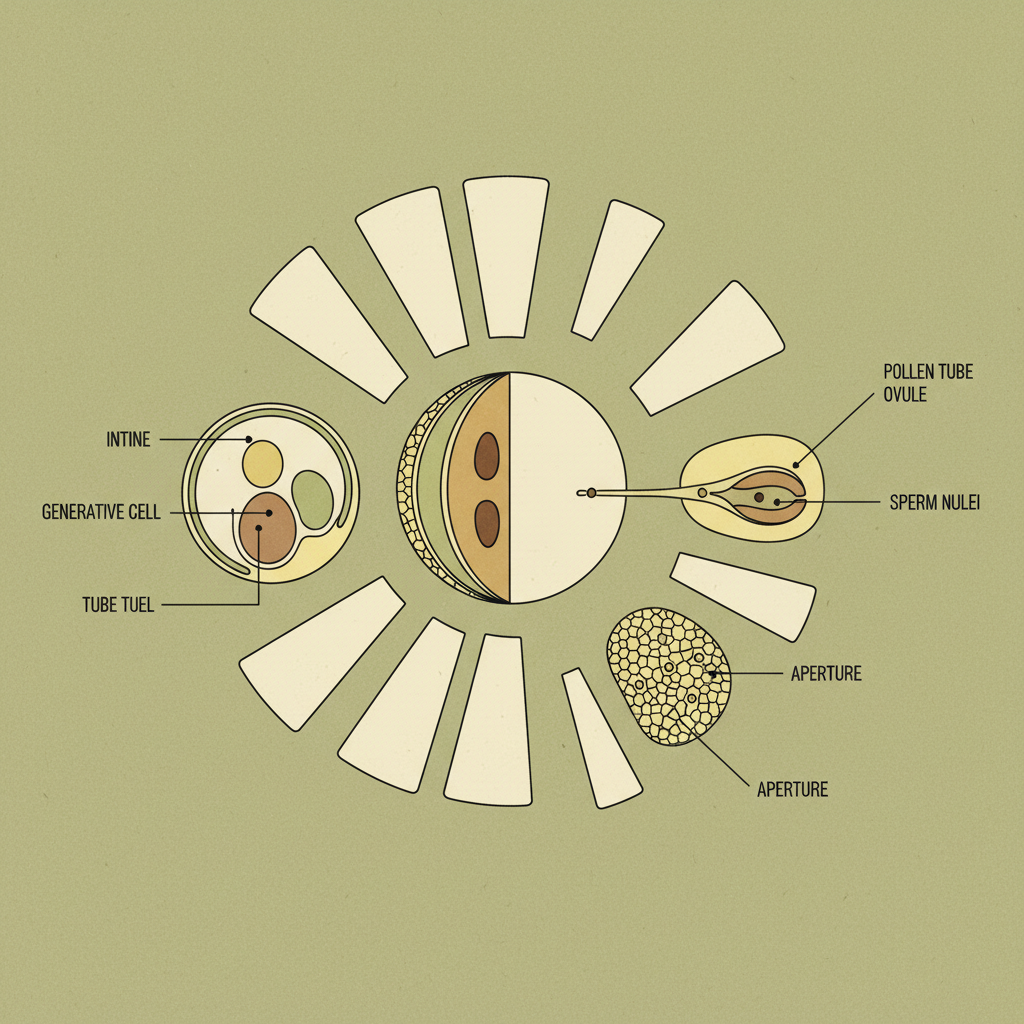
The Growing Importance of Pear Flower Powder for Pollination and Reliability
-
How Does China Best Fruit Protection Bag Manufacturer Support Orchard Efficiency at SIVAL France?
-
Sufficient Kiwi Pollen – Empowering Botanical Research
-
Exploring Industry Trends and the Benefits of Using Pear Pollen in Material Science

 English
  Afrikaans
  Albanian
  Amharic
  Arabic
  Armenian
  Azerbaijani
  Basque
  Belarusian
  Bengali
  Bosnian
  Bulgarian
  Catalan
  Cebuano
  Corsican
  Croatian
  Czech
Czech  Danish
  Dutch
Dutch  Esperanto
  Estonian
  Finnish
  French
  Frisian
  Galician
  Georgian
  German
  Greek
Greek  Gujarati
  Haitian Creole
  Hausa
Hausa  Hawaiian
  Hebrew
  Hindi
Hindi  Miao
Miao  Hungarian
  Icelandic
  Igbo
Igbo  Indonesian
  Irish
Irish  Italian
  Japanese
  Javanese
  Kannada
  Kazakh
  Khmer
Khmer  Rwandese
  Korean
  Kurdish
  Kyrgyz
  Lao
Lao  Latin
Latin  Latvian
  Lithuanian
  Luxembourgish
  Macedonian
  Malgashi
  Malay
Malay  Malayalam
  Maltese
  Maori
Maori  Marathi
  Mongolian
  Myanmar
  Nepali
  Norwegian
  Norwegian
  Occitan
  Pashto
  Persian
  Polish
  Portuguese
  Punjabi
  Romanian
  Russian
  Samoan
  Scottish Gaelic
  Serbian
  Sesotho
  Shona
Shona  Sindhi
  Sinhala
  Slovak
  Slovenian
  Somali
  Spanish
  Sundanese
  Swahili
  Swedish
  Tagalog
  Tajik
Tajik  Tamil
Tamil  Tatar
Tatar  Telugu
  Thai
Thai  Turkish
  Turkmen
  Ukrainian
  Urdu
Urdu  Uighur
  Uzbek
Uzbek  Vietnamese
  Welsh
Welsh  Bantu
Bantu  Yiddish
  Yoruba
  Zulu
Zulu