Active apricot pollen for fruit pollination is increasingly recognized as a vital component of modern agriculture, particularly as global climate change impacts traditional pollination methods. Ensuring robust fruit production requires understanding and leveraging the unique properties of this pollen, impacting food security and economic stability worldwide. Its precise application can address declining pollinator populations and enhance crop yields, presenting a sustainable solution for future food systems.
The global demand for fruits is steadily rising, driven by population growth and changing dietary preferences. However, many fruit-producing regions face challenges with inadequate pollination due to habitat loss, pesticide use, and climate-related stresses on bee populations. Active apricot pollen for fruit pollination offers a targeted and effective supplement to natural pollination, enabling farmers to meet market demands and maintain the quality of their produce. This has significant implications for international trade and agricultural economies.
Understanding the nuances of active apricot pollen for fruit pollination isn’t just about maximizing yields; it's about preserving biodiversity and building resilient agricultural systems. As a supplementary pollination method, it allows for a reduced reliance on chemical inputs and supports a more ecologically balanced approach to farming, contributing to the long-term health of our planet and securing a sustainable food supply for generations to come.
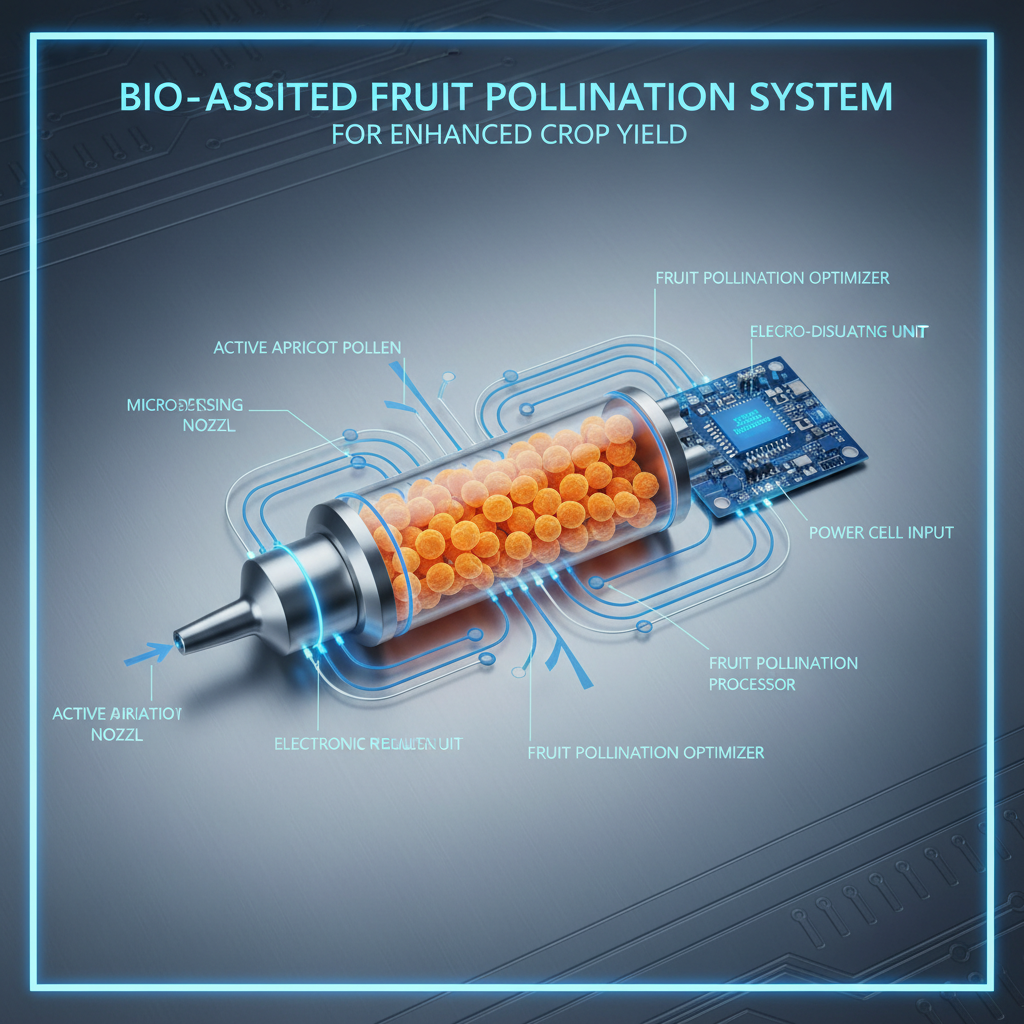
The Global Importance of Active Apricot Pollen for Fruit Pollination
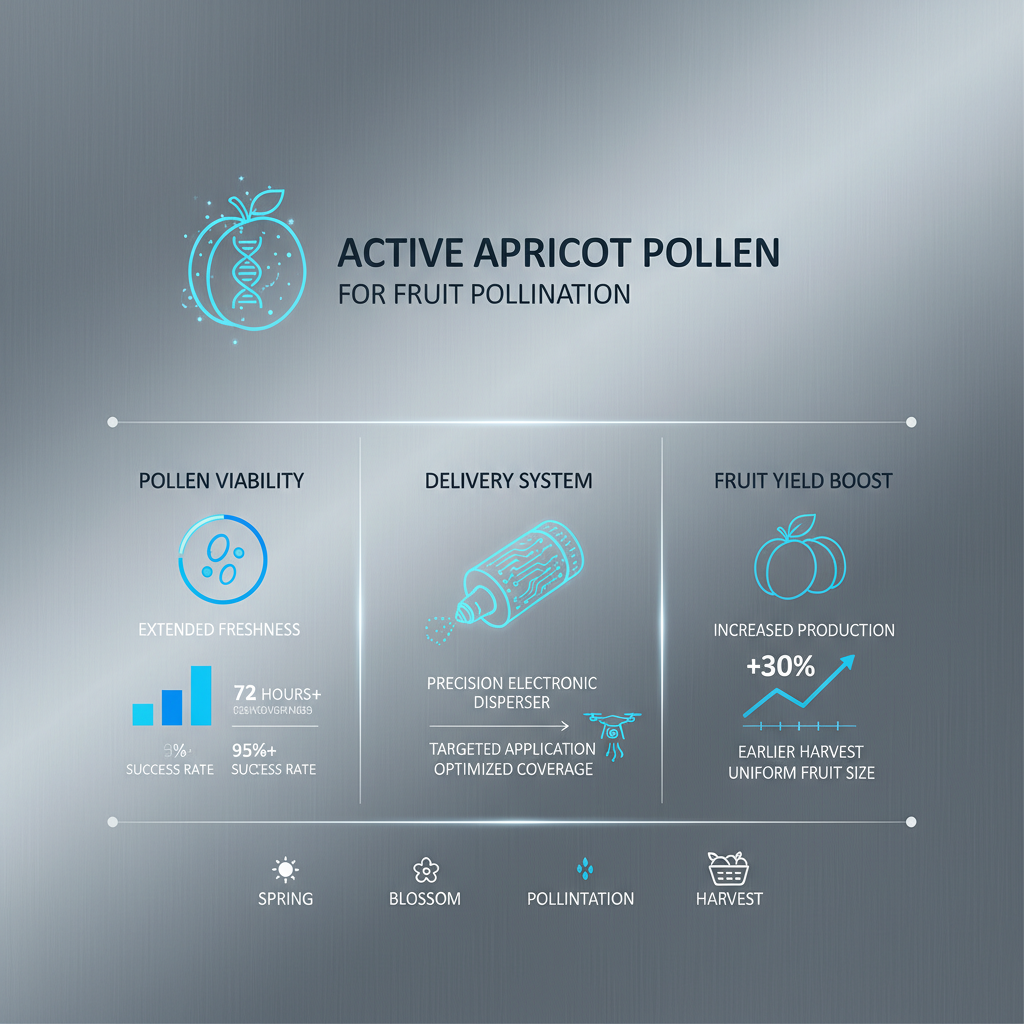
The global agricultural landscape is increasingly reliant on efficient pollination strategies, and active apricot pollen for fruit pollination is emerging as a critical component in ensuring stable fruit production. According to the UN Food and Agriculture Organization (FAO), approximately 35% of global food production relies on animal pollination. Declining pollinator populations, however, pose a significant threat to this system. Active apricot pollen, utilized as a supplementary measure, offers a proactive solution to mitigate these risks.
The economic impact of pollination deficiencies is substantial. The World Bank estimates that the value of pollination services to global agriculture exceeds $235 billion annually. Therefore, investing in effective pollen management, including the targeted application of active apricot pollen, is not merely an agricultural concern, but a crucial element of global economic security. active apricot pollen for fruit pollination is becoming increasingly valued in diverse agricultural settings.
FAQS
Active apricot pollen's shelf life depends heavily on storage conditions. Generally, properly dried and sealed pollen can remain viable for 12-18 months when stored in a cool, dark, and dry environment – ideally refrigerated or frozen. Exposure to humidity, sunlight, or high temperatures significantly reduces its viability. It's crucial to maintain these conditions to ensure optimal pollination rates, as the percentage of viable pollen decreases over time, impacting the success of fruit set.
While honeybees are crucial pollinators, relying solely on them can be risky due to colony collapse disorder and other environmental stressors. Active apricot pollen offers a reliable supplementary method, especially in areas where bee populations are declining. It ensures pollination even when bee activity is limited by weather or other factors. It doesn't replace bees, but complements them, offering a more resilient pollination strategy.
Yes, active apricot pollen is generally considered safe for the environment and human consumption when sourced from reputable suppliers. It's a natural product and doesn’t contain harmful chemicals. However, individuals with known pollen allergies should exercise caution. The pollen used for fruit pollination doesn't typically come into direct contact with the edible parts of the fruit, minimizing any potential allergenic concerns.
The ideal time to apply active apricot pollen is during the morning hours, after dew has evaporated, but before strong winds or rainfall develop. This ensures the pollen remains dry and adheres to the flower stigmas. Applying pollen when the flowers are actively receptive (determined by observing stigma wetness or conducting pollen tube growth assessments) is also critical for maximizing pollination success. Avoiding application during peak heat can also help preserve pollen viability.
The appropriate dosage varies depending on the fruit species, orchard size, and pollination needs. A general guideline is to use 1-2 grams of pollen per tree, but a pollen viability test is crucial to determine the actual number of viable pollen grains. Consulting with an agricultural specialist or pollination expert can help you develop a tailored application plan that maximizes your return on investment.
Incorporating active apricot pollen can lead to increased fruit set, improved fruit quality, and higher yields. It also enhances orchard resilience to environmental stressors and reduces reliance on chemical inputs. Long-term, it supports sustainable agricultural practices, protects pollinator populations, and contributes to the economic viability of your orchard. It represents a proactive approach to ensuring a stable and productive future for your fruit crops.
Conclusion
In conclusion, active apricot pollen for fruit pollination represents a powerful tool in modern agriculture, offering a targeted and sustainable solution to address the growing challenges of declining pollinator populations and increasing food demand. Its effective implementation requires a thorough understanding of pollen viability, application techniques, and environmental factors, but the benefits – increased yields, enhanced fruit quality, and improved orchard resilience – are significant.
Looking ahead, continued research and innovation in pollen technology, coupled with proactive knowledge sharing and collaborative efforts, will be essential to unlock the full potential of active apricot pollen and ensure a secure and sustainable food supply for future generations. We invite you to explore further how active apricot pollen for fruit pollination can benefit your orchard.
Related Posts
-
What Makes China Top Pollination Equipment Supplier a Highlight at Growtech Agricultural Expo?
-
Optimizing Pollen for Pollination in Apricot Orchard for Enhanced Fruit Yield and Quality
-

Understanding the Apple Pollination Method for Maximized Orchard Productivity
-
What Makes China Top Fruit Protection Bag Manufacturer Stand Out at Asia Fruit Logistica?

 English
  Afrikaans
  Albanian
  Amharic
  Arabic
  Armenian
  Azerbaijani
  Basque
  Belarusian
  Bengali
  Bosnian
  Bulgarian
  Catalan
  Cebuano
  Corsican
  Croatian
  Czech
Czech  Danish
  Dutch
Dutch  Esperanto
  Estonian
  Finnish
  French
  Frisian
  Galician
  Georgian
  German
  Greek
Greek  Gujarati
  Haitian Creole
  Hausa
Hausa  Hawaiian
  Hebrew
  Hindi
Hindi  Miao
Miao  Hungarian
  Icelandic
  Igbo
Igbo  Indonesian
  Irish
Irish  Italian
  Japanese
  Javanese
  Kannada
  Kazakh
  Khmer
Khmer  Rwandese
  Korean
  Kurdish
  Kyrgyz
  Lao
Lao  Latin
Latin  Latvian
  Lithuanian
  Luxembourgish
  Macedonian
  Malgashi
  Malay
Malay  Malayalam
  Maltese
  Maori
Maori  Marathi
  Mongolian
  Myanmar
  Nepali
  Norwegian
  Norwegian
  Occitan
  Pashto
  Persian
  Polish
  Portuguese
  Punjabi
  Romanian
  Russian
  Samoan
  Scottish Gaelic
  Serbian
  Sesotho
  Shona
Shona  Sindhi
  Sinhala
  Slovak
  Slovenian
  Somali
  Spanish
  Sundanese
  Swahili
  Swedish
  Tagalog
  Tajik
Tajik  Tamil
Tamil  Tatar
Tatar  Telugu
  Thai
Thai  Turkish
  Turkmen
  Ukrainian
  Urdu
Urdu  Uighur
  Uzbek
Uzbek  Vietnamese
  Welsh
Welsh  Bantu
Bantu  Yiddish
  Yoruba
  Zulu
Zulu