Mar . 09, 2026 02:05 Back to list
Comprehensive Guide to OEM Fruit Protection Bags for Enhanced Crop Quality
OEM Fruit Protection Bags: A Comprehensive Guide
Protecting your valuable fruit crops from pests, diseases, and environmental factors is crucial for maximizing yield and quality. OEM fruit protection bags offer a highly effective and versatile solution for growers worldwide. This guide explores the benefits, applications, customization options, and factors to consider when sourcing these essential agricultural supplies. We'll delve into how JML Pollen can meet your specific needs with high-quality, customized fruit bags.

The Benefits of Using OEM Fruit Protection Bags
Using OEM fruit protection bags offers numerous advantages for fruit growers. They provide a physical barrier against insects, birds, and other pests, minimizing damage and reducing the need for chemical pesticides. These bags also protect fruit from sunburn, wind abrasion, and rain damage, leading to improved color, size, and overall quality. Furthermore, fruit protection bags can help control disease spread by preventing spore transmission. Ultimately, this translates to higher marketable yields and increased profitability. Customization options allow growers to tailor bag characteristics to their specific fruit type and growing conditions.
Key Highlights: Reduces pest damage, protects against environmental factors, minimizes pesticide use, improves fruit quality, and increases yields.
Choosing the Right OEM Fruit Protection Bags: Material & Density
The material and density of the fruit protection bag are critical factors influencing its performance. Non-woven polypropylene (NWPP) is a common material choice due to its breathability, durability, and cost-effectiveness. However, other materials like paper or specialized synthetic fabrics may be used depending on the specific application. The density (measured in grams per square meter - GSM) determines the bag's strength and permeability. Higher GSM bags offer greater protection but may reduce airflow. Selecting the appropriate GSM is vital for balancing protection with ventilation to prevent condensation buildup and fungal growth. JML Pollen provides a range of materials and densities to suit diverse fruit varieties and climates.
Material & Density Considerations:
• NWPP: Breathable, durable, cost-effective.
• Higher GSM: Greater strength, lower permeability.
• Lower GSM: Better ventilation, less protection.
• Consider fruit type, climate, and pest pressure.
OEM Fruit Protection Bags: Comparing Bag Types & Features
Fruit protection bags come in various designs, each suited to different fruit types and application methods. Drawstring bags are commonly used for apples, pears, and other round fruits, allowing for easy enclosure and removal. Envelope-style bags are often used for citrus fruits and other elongated shapes, providing a snug fit. Bags with UV stabilizers offer enhanced protection against sunlight damage, extending their lifespan. Some bags incorporate features like ventilation holes or water drainage systems to optimize airflow and prevent moisture buildup. JML Pollen offers a wide selection of bag types and features to meet your specific requirements.
Customization Options for OEM Fruit Protection Bags
One of the key advantages of working with an OEM supplier like JML Pollen is the ability to customize the bags to your specific needs. This includes choosing the material, density, size, color, and printing options. You can add your logo, branding, or specific instructions to the bags. Customization ensures that the bags perfectly fit your fruit variety and align with your brand identity. We provide flexible customization services to meet the unique requirements of growers of all sizes.
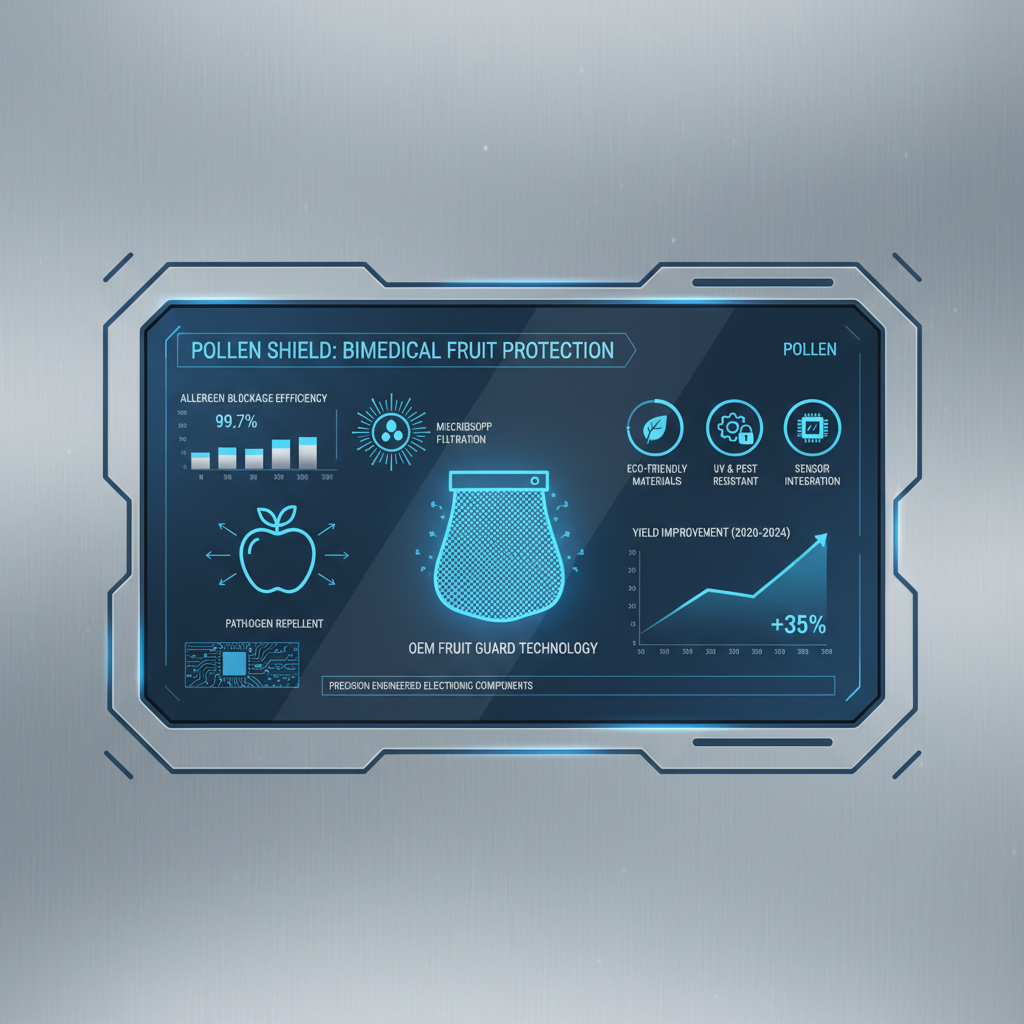
Choosing the Right OEM Supplier: JML Pollen
When selecting an OEM supplier for fruit protection bags, consider factors like product quality, customization capabilities, price, lead time, and customer service. JML Pollen is a leading provider of high-quality fruit protection bags, offering a comprehensive range of customization options and competitive pricing. We are committed to providing excellent customer service and ensuring timely delivery. Our experienced team can assist you in selecting the optimal bag specifications for your specific needs.
Conclusion: Protect Your Investment with Quality Fruit Bags
Investing in high-quality OEM fruit protection bags from a trusted supplier like JML Pollen is a crucial step in maximizing your fruit yields and ensuring a profitable harvest. Choose a supplier that understands your specific needs and can deliver customized solutions to protect your valuable crops. Don't compromise on quality – protect your investment with JML Pollen.
Frequently Asked Questions (FAQs)
What is the typical lifespan of a fruit protection bag?
The lifespan of a fruit protection bag depends on several factors including the material, UV exposure, and weather conditions. Generally, bags made from NWPP material can last for one to three growing seasons if properly stored when not in use. Bags with UV stabilizers will have a longer lifespan, typically exceeding three seasons. Regular inspection for tears or damage is crucial. At JML Pollen, we offer durable bags designed for repeated use, and can advise on the best materials for your climate.
Are these bags recyclable?
Many fruit protection bags, particularly those made from polypropylene (PP), are recyclable. However, recycling options vary depending on your local facilities. Check with your local recycling center to confirm if they accept PP plastic. We at JML Pollen are committed to sustainable practices and are exploring more eco-friendly material options for our bags.
What size bag should I use for my fruit?
The appropriate bag size depends on the fruit variety and its expected size at harvest. The bag should be large enough to accommodate the fruit's growth without constricting it, but not so large that it allows pests easy access. JML Pollen offers a wide range of bag sizes, and our team can provide recommendations based on your specific fruit type and growing conditions.
What is the minimum order quantity (MOQ) for custom bags?
The minimum order quantity (MOQ) for custom bags varies depending on the complexity of the customization, such as printing and specific material requests. However, we strive to accommodate orders of all sizes. Contact our sales team at JML Pollen for a personalized quote and to discuss your specific requirements.
-
High Quality oem pear flower powder suitable for pollination
NewsApr.16,2026
-
Premium Quality OEM Lots of Apple Pollen for Commercial Success
NewsApr.09,2026
-
Understanding OEM Pollen Count Cherry Hill for Effective Allergy Management
NewsApr.07,2026
-
Comprehensive Guide to OEM Grape Protection Bags for Optimal Vineyard Yields
NewsApr.04,2026
-
Optimizing Wellness with OEM Apricot Pollen Dosage A Comprehensive Guide
NewsMar.31,2026
-
OEM Fresh Fruit Bags Enhance Produce Quality and Shelf Life Solutions
NewsMar.28,2026
 Afrikaans
 Albanian
 Amharic
 Arabic
 Armenian
 Azerbaijani
 Basque
 Belarusian
 Bengali
 Bosnian
 Bulgarian
 Catalan
 Cebuano
 Corsican
 Croatian
 Czech
Czech
 Danish
 Dutch
Dutch
 Esperanto
 Estonian
 Finnish
 French
 Frisian
 Galician
 Georgian
 German
 Greek
Greek
 Gujarati
 Haitian Creole
 Hausa
Hausa
 Hawaiian
 Hebrew
 Hindi
Hindi
 Miao
Miao
 Hungarian
 Icelandic
 Igbo
Igbo
 Indonesian
 Irish
Irish
 Italian
 Japanese
 Javanese
 Kannada
 Kazakh
 Khmer
Khmer
 Rwandese
 Korean
 Kurdish
 Kyrgyz
 Lao
Lao
 Latin
Latin
 Latvian
 Lithuanian
 Luxembourgish
 Macedonian
 Malgashi
 Malay
Malay
 Malayalam
 Maltese
 Maori
Maori
 Marathi
 Mongolian
 Myanmar
 Nepali
 Norwegian
 Norwegian
 Occitan
 Pashto
 Persian
 Polish
 Portuguese
 Punjabi
 Romanian
 Russian
 Samoan
 Scottish Gaelic
 Serbian
 Sesotho
 Shona
Shona
 Sindhi
 Sinhala
 Slovak
 Slovenian
 Somali
 Spanish
 Sundanese
 Swahili
 Swedish
 Tagalog
 Tajik
Tajik
 Tamil
Tamil
 Tatar
Tatar
 Telugu
 Thai
Thai
 Turkish
 Turkmen
 Ukrainian
 Urdu
Urdu
 Uighur
 Uzbek
Uzbek
 Vietnamese
 Welsh
Welsh
 Bantu
Bantu
 Yiddish
 Yoruba
 Zulu
Zulu
 English