Pollen for pollination in apricot orchard is a critical process underpinning the successful fruit set and subsequent yield of this valuable crop. Globally, apricot production relies heavily on efficient pollination, contributing to food security and economic stability in regions like Turkey, Italy, Spain, and the United States. Understanding the nuances of pollen transfer, compatibility, and environmental factors is paramount for maximizing apricot orchard productivity.
The economic significance of apricot orchards worldwide is substantial. In 2022, the global apricot market was valued at approximately $6.2 billion USD and is projected to grow at a compound annual growth rate (CAGR) of 3.5% from 2023 to 2030 (Source: Grand View Research). However, fluctuating pollination success rates due to declining pollinator populations and climate change pose a significant challenge to this continued growth. Effective pollen management is increasingly vital.
The core benefit of understanding pollen for pollination in apricot orchard lies in its direct impact on fruit quality and quantity. Insufficient pollination results in smaller, misshapen fruits, reduced yields, and ultimately, economic losses for growers. By optimizing pollen delivery, growers can improve fruit set, enhance fruit size and sugar content, and ensure a consistent, high-quality harvest. This knowledge is fundamental for sustainable apricot production.
The Importance of Pollen for Apricot Orchard Success
Apricot trees are not self-pollinating, meaning they require pollen from a different variety to produce fruit effectively. This cross-pollination dependence highlights the fundamental role of pollen transfer in achieving a successful harvest. The viability and quantity of pollen directly correlate to the number of seeds developed within each apricot, and ultimately, the fruit's size and quality. pollen for pollination in apricot orchard is therefore a cornerstone of commercial apricot cultivation.
The process isn’t simply about having pollen available; it's about ensuring its successful delivery to the receptive stigmas of apricot blossoms. Factors like wind patterns, pollinator activity, bloom synchronicity, and pollen compatibility all play critical roles in this complex biological interaction. Optimizing these factors is the core challenge and opportunity for apricot growers.
Defining Pollen for Pollination in Apricot Orchards
Pollen, in the context of apricot orchards, refers to the microscopic grains containing the male reproductive cells necessary for fertilization. Successful pollination occurs when pollen is transferred from the anther (male part) of one apricot flower to the stigma (female part) of another, leading to fertilization and subsequent fruit development. This process is vital as it dictates the genetic diversity and quality of the resulting fruit.
The concept extends beyond simply the physical transfer of pollen. It encompasses the compatibility between different apricot varieties – some cultivars are more effective pollinators of others. Understanding this compatibility is crucial for strategic orchard design and the selection of appropriate pollinizer trees. The efficiency of pollen for pollination in apricot orchard directly impacts the economic viability of the farm.
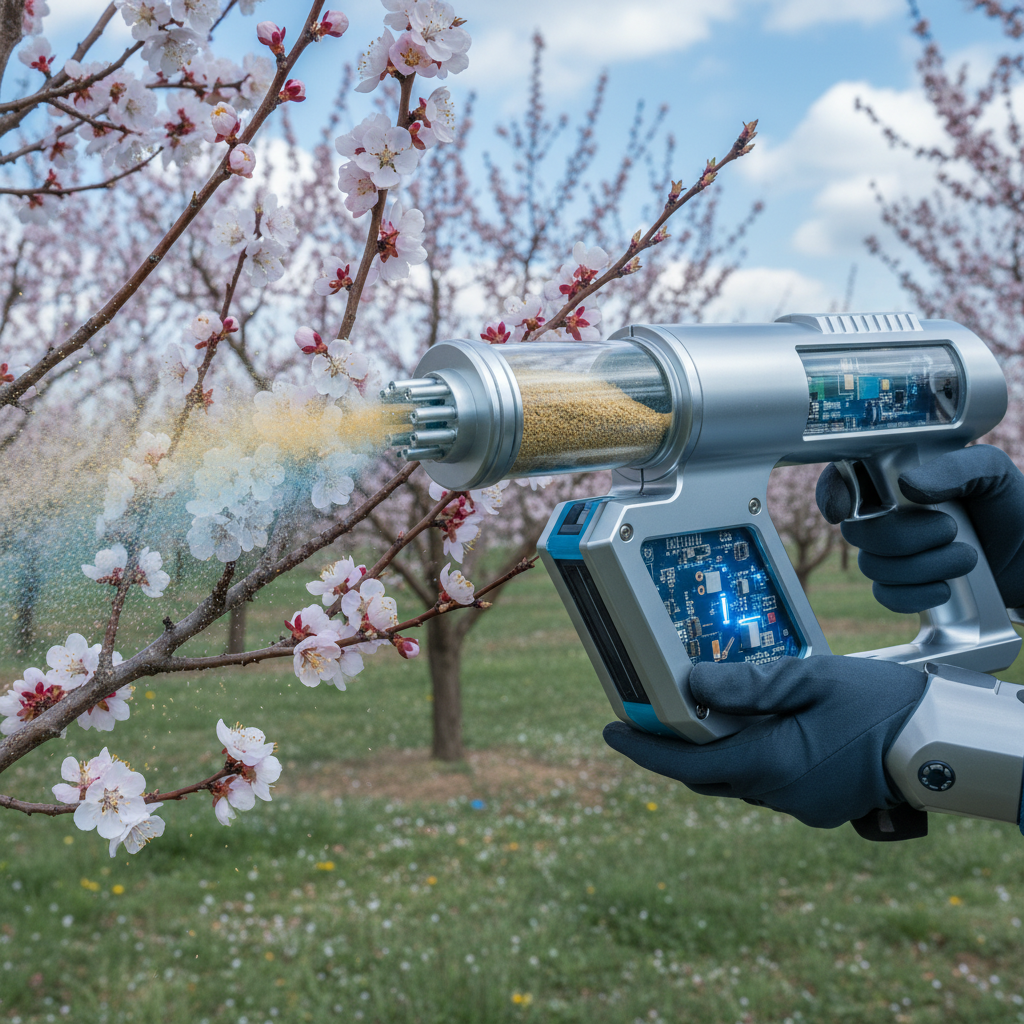
Modern applications focus on optimizing this natural process. This includes techniques like managed pollination using honeybees, bumblebees, or even manual pollen application, particularly in areas with declining pollinator populations. This also includes research into pollen storage and viability to ensure a consistent supply during bloom.
Key Factors Influencing Pollen Efficiency
Several key factors influence the efficiency of pollen for pollination in apricot orchard. Firstly, pollen viability – the ability of pollen grains to germinate and fertilize the ovules – is paramount. This is affected by storage conditions, age, and overall pollen health. Secondly, pollen quantity matters; insufficient pollen reduces the chance of successful pollination.
Thirdly, pollinator activity is crucial. Honeybees are the most common pollinators, but bumblebees and other insects also contribute. Their abundance and foraging behavior directly influence pollen transfer rates. Fourthly, environmental conditions like wind speed, temperature, and rainfall can impact pollen dispersal and viability. High winds can disperse pollen too quickly, while rain can wash it away.
Fifthly, bloom synchronicity between the pollinizer and the primary apricot variety is critical. If the bloom periods don't overlap sufficiently, effective pollen transfer is unlikely. Finally, genetic compatibility between the varieties is essential for successful fertilization.
Global Applications of Optimized Pollination
Optimized pollen for pollination in apricot orchard strategies are employed globally in regions where apricot cultivation is significant. In Turkey, a major apricot producer, growers utilize extensive honeybee colonies to ensure adequate pollination, often renting hives and strategically placing them within their orchards.
In California, USA, with its large-scale almond and stone fruit industries, specialized pollination services provide managed bumblebee colonies alongside honeybees. This is particularly important for crops that require buzz pollination, where bees vibrate the flowers to release pollen. These services ensure timely and effective pollen delivery, maximizing yield.
In regions with declining wild pollinator populations, such as parts of Europe, research is focused on attracting and supporting native bees and other beneficial insects through habitat restoration and reduced pesticide use. These integrated pest management (IPM) approaches complement traditional pollination methods, promoting long-term sustainability.
Pollen Transfer Methods & Effectiveness in Apricot Orchards
Advantages of Enhanced Pollen for Apricot Orchard Production
Enhanced pollen for pollination in apricot orchard translates to several tangible benefits for growers. Increased fruit set directly leads to higher yields, boosting profitability. Improved fruit quality – larger size, better shape, and higher sugar content – commands premium prices in the market.
Furthermore, optimizing pollination contributes to the long-term health and resilience of apricot orchards. Well-pollinated trees are more vigorous and better able to withstand environmental stressors like drought and disease. This reduces the need for costly interventions like supplemental irrigation or pesticide applications.
Future Trends in Pollen Management
Future trends in pollen for pollination in apricot orchard management are centered around precision agriculture and technological innovation. The use of drones equipped with sensors to assess bloom density and pollen viability is gaining traction. This allows for targeted pollen application, maximizing efficiency and minimizing waste.
Researchers are also exploring the potential of artificial pollen or pollen substitutes, particularly in regions facing severe pollinator declines. Genetic engineering and breeding programs are focused on developing apricot varieties with improved pollen compatibility and increased pollen production.
Finally, digital platforms connecting growers with pollination services and providing real-time data on pollinator activity are emerging, facilitating more informed decision-making and optimizing pollen delivery strategies.
Challenges and Solutions in Apricot Pollination
A significant challenge in pollen for pollination in apricot orchard is the decline of wild pollinator populations due to habitat loss, pesticide use, and climate change. This necessitates a shift towards more proactive and sustainable pollination strategies. Another challenge is the impact of climate change on bloom synchronicity, with warming temperatures causing earlier bloom times that may not align with pollinator availability.
Solutions include promoting pollinator-friendly habitat through the planting of wildflowers and cover crops, reducing pesticide use, and implementing integrated pest management practices. Investing in managed pollination services, like renting honeybee or bumblebee colonies, can also provide a reliable source of pollinators.
Moreover, research into climate-resilient apricot varieties with more flexible bloom times can help mitigate the effects of changing environmental conditions. Continued monitoring of pollinator populations and bloom phenology is essential for adapting pollination strategies to evolving challenges.
Key Factors Affecting Pollination Success in Apricot Orchards
| Pollinator Type |
Pollen Viability Rate |
Bloom Synchronicity (Scale 1-5) |
Impact on Yield (Scale 1-5) |
| Honeybees |
85% |
4 |
5 |
| Bumblebees |
90% |
3 |
4 |
| Wild Bees |
70% |
2 |
3 |
| Hand Pollination |
100% |
5 |
2 |
| Wind Pollination |
60% |
1 |
1 |
| Mechanical Shaking |
75% |
3 |
3 |
FAQS
Honeybees are generally considered the most effective and readily available pollinator for apricot orchards due to their abundance and foraging behavior. However, bumblebees are also valuable, particularly for buzz pollination. Encouraging native bee populations through habitat creation can further enhance pollination success. Selecting the right pollinator species and managing their activity is central to maximizing pollen for pollination in apricot orchard.
Pollen viability can be assessed through laboratory testing, but practical on-farm assessments involve observing pollen development and observing bee behavior. If bees avoid certain flowers it could indicate pollen issues. Signs of good pollen viability include a plentiful amount of dry, powdery pollen. Poor pollen viability can result in reduced fruit set.
Weather plays a crucial role in apricot pollination. Rain can wash pollen away, reducing its availability. High winds can disperse pollen too quickly, hindering targeted delivery. Cold temperatures can reduce pollinator activity. Optimal pollination conditions include moderate temperatures, low humidity, and calm winds. Monitoring weather patterns and adjusting pollination strategies accordingly is key.
Yes, certain apricot varieties demonstrate better cross-pollination compatibility than others. Selecting pollinizer varieties that bloom simultaneously with the main cultivar and are genetically compatible is vital. Consult with local agricultural extension services or apricot specialists to identify the most effective pollinizer varieties for your region and specific apricot cultivar.
Improving pollinator habitat involves planting a diverse range of flowering plants that provide nectar and pollen throughout the bloom season. This includes wildflowers, cover crops, and hedgerows. Reducing or eliminating pesticide use and providing nesting sites for bees are also essential steps. Creating a pollinator-friendly environment enhances the overall health and productivity of your apricot orchard.
Drones offer a targeted approach to pollen application, potentially improving efficiency and reducing pollen waste. They can be programmed to fly specific routes and release pollen directly onto blossoms. Drones can also be equipped with sensors to assess bloom density and pollen viability, allowing for more informed decision-making. This technology is particularly useful in large orchards or areas with limited pollinator availability.
Conclusion
In conclusion, understanding and optimizing pollen for pollination in apricot orchard is fundamental to achieving consistent yields, high fruit quality, and long-term orchard health. From managing pollinator populations and ensuring pollen viability to considering environmental factors and selecting compatible varieties, every aspect of the process plays a vital role. Effective pollen management is not merely a horticultural practice; it’s an investment in the sustainability and profitability of apricot production.
Looking ahead, continued research and innovation in areas like precision agriculture, pollinator conservation, and climate-resilient varieties will be essential for addressing the evolving challenges facing apricot growers. By embracing these advancements and adopting best management practices, we can ensure a bountiful future for apricot orchards worldwide. Visit our website at pollen for pollination in apricot orchard to learn more.



 English
  Afrikaans
  Albanian
  Amharic
  Arabic
  Armenian
  Azerbaijani
  Basque
  Belarusian
  Bengali
  Bosnian
  Bulgarian
  Catalan
  Cebuano
  Corsican
  Croatian
  Czech
Czech  Danish
  Dutch
Dutch  Esperanto
  Estonian
  Finnish
  French
  Frisian
  Galician
  Georgian
  German
  Greek
Greek  Gujarati
  Haitian Creole
  Hausa
Hausa  Hawaiian
  Hebrew
  Hindi
Hindi  Miao
Miao  Hungarian
  Icelandic
  Igbo
Igbo  Indonesian
  Irish
Irish  Italian
  Japanese
  Javanese
  Kannada
  Kazakh
  Khmer
Khmer  Rwandese
  Korean
  Kurdish
  Kyrgyz
  Lao
Lao  Latin
Latin  Latvian
  Lithuanian
  Luxembourgish
  Macedonian
  Malgashi
  Malay
Malay  Malayalam
  Maltese
  Maori
Maori  Marathi
  Mongolian
  Myanmar
  Nepali
  Norwegian
  Norwegian
  Occitan
  Pashto
  Persian
  Polish
  Portuguese
  Punjabi
  Romanian
  Russian
  Samoan
  Scottish Gaelic
  Serbian
  Sesotho
  Shona
Shona  Sindhi
  Sinhala
  Slovak
  Slovenian
  Somali
  Spanish
  Sundanese
  Swahili
  Swedish
  Tagalog
  Tajik
Tajik  Tamil
Tamil  Tatar
Tatar  Telugu
  Thai
Thai  Turkish
  Turkmen
  Ukrainian
  Urdu
Urdu  Uighur
  Uzbek
Uzbek  Vietnamese
  Welsh
Welsh  Bantu
Bantu  Yiddish
  Yoruba
  Zulu
Zulu