Commercial apple orchards often face a critical bottleneck: inconsistent fruit set caused by poor natural pollination. While many growers rely on wind or bees, the unpredictability of spring weather frequently leads to significant yield losses and uneven fruit quality.
To mitigate these risks, artificial pollination using high-viability pollen has become a standard practice for professional fruit producers. The challenge now lies in identifying pollen that meets strict germination standards and biological compatibility requirements to ensure maximum commercial return.
Whether you are managing a boutique orchard or a large-scale plantation, understanding the technical requirements for ce certification pollen for apple trees and other fruit varieties is essential for stabilizing annual harvests.

The Biology of Artificial Pollination

Artificial pollination is the strategic introduction of compatible pollen to the stigma of a flower to ensure fertilization. In apple trees, many varieties are self-incompatible, meaning they require pollen from a different variety to produce fruit.
The success of this process depends on "affinity," which refers to the biological compatibility between the pollen and the recipient flower. High affinity directly translates to a higher germination rate, ensuring the pollen tube grows efficiently into the ovary.
Technical Indicators of Pollen Viability
When evaluating ce certification pollen for apple trees or other species like plum or pear, the most critical metric is the germination percentage. This percentage represents the proportion of pollen grains capable of developing a pollen tube under optimal conditions.
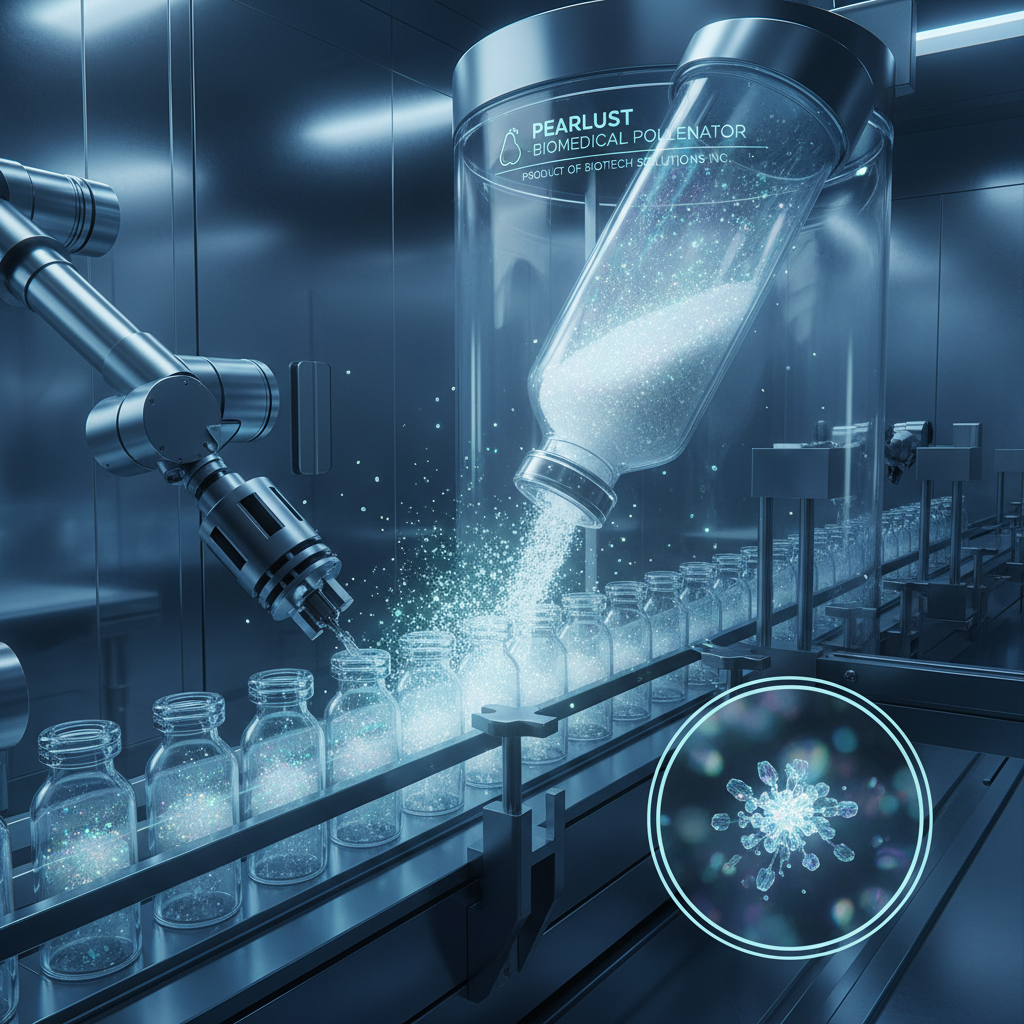
Beyond the raw percentage, the purity of the pollen—the absence of debris and non-viable grains—plays a significant role. Professional suppliers use specialized anther selection and crushing equipment to ensure that the final product consists almost entirely of active reproductive cells.
Furthermore, the stability of the pollen during transport is a key technical concern. Because pollen consists of living cells, its metabolic rate must be managed through temperature control to prevent premature germination or cell death before it reaches the orchard.
Critical Factors in Germination Success
The application of pollen is not a simple mechanical task; it is a biological intervention that requires precise environmental synchronization. The most influential external factor is the ambient temperature during application.
The optimal window for pollen germination typically falls between 15°C and 25°C. Temperatures exceeding 25°C can kill pollen activity and evaporate the essential nutrient solution on the flower stigma, while temperatures below 15°C significantly slow the growth of the pollen tube.
Moisture also plays a dual role. While the stigma must be moist for the pollen to germinate, heavy rain within five hours of artificial pollination can wash away the pollen grains, necessitating a re-application to secure the fruit set.
Comparative Impact on Fruit Quality
The quantitative difference between natural and artificial pollination is stark. In many stone fruit and pome fruit orchards, artificial pollination doesn't just increase the number of fruits, but significantly improves the grade of the harvest.
For instance, data from plum orchards indicates that while natural pollination might result in only 50% high-quality commercial fruits, artificial pollination can raise this proportion to 85%, with overall yields increasing by approximately 35%.
Figure 2. Pollination Method Performance Index
Operational Deployment in the Field
Applying pollen effectively requires a phased approach. Technicians must first analyze the variety of the orchard to ensure the chosen pollen has high affinity. For example, using specific Chinese Plum pollen for varieties like "Ruby Lee" or "Black Gem" ensures the biological lock-and-key mechanism of pollination is successful.
During application, the timing must be synchronized with the bloom cycle. Since different sides of a mountain may bloom at different times due to sun exposure, pollen application should be staggered, with the product kept in appropriate storage until the exact moment of use.
Storage Logistics and Cold Chain Requirements
Pollen is a biological asset with a very short shelf life at room temperature. To maintain the activity of the cells, a strict temperature-controlled chain is mandatory from the collection base to the orchard.
For short-term use (up to 3 days), cold storage is sufficient. However, for extended periods or staggered blooming seasons, pollen must be stored in deep freezers at -18°C. This puts the pollen into a dormant state, preserving its viability.
Crucially, frozen pollen cannot be applied immediately. It must be removed from the freezer 12 hours before use and allowed to reach room temperature. This "awakening" process transitions the pollen from a dormant state to an active state, ensuring it can germinate rapidly upon hitting the stigma.
Evaluating Pollen Providers
Selecting a pollen supplier involves more than comparing prices. The infrastructure of the provider—including their collection bases, crushing equipment, and germination detection tools—determines the reliability of the product.
Hebei Jiamingliang Pollen provides a comprehensive example of this industrial approach, integrating R&D with large-scale collection bases and advanced detection equipment to produce specialized pollen for Asian pear, Fuji apple, and various stone fruits.
Buyers should evaluate providers based on their ability to provide variety analysis and their adherence to strict cold-chain logistics. The following framework outlines the key selection criteria for commercial pollen procurement.
| Evaluation Factor | Standard Requirement | Risk of Failure | Impact on Harvest |
|---|---|---|---|
| Germination Rate | Verified > 60% | Low Fruit Set | High (Yield) |
| Variety Affinity | Matched Variety | Pollen Rejection | Critical (Set Rate) |
| Cold Chain | Constant -18°C | Cell Death | High (Viability) |
| Purity Level | Minimal Debris | Stigma Blockage | Medium (Quality) |
| Technical Support | Variety Analysis | Wrong Selection | Medium (Efficiency) |
| Delivery Speed | Rapid Transit | Activity Loss | Medium (Timing) |
Questions & Answers
Many commercial apple varieties are self-incompatible, meaning they cannot be fertilized by their own pollen. Natural pollination relies on pollinators like bees to move pollen from a different variety. If pollinator activity is low due to cold weather or pesticide use, artificial pollination ensures the fruit set by manually providing compatible, high-viability pollen.
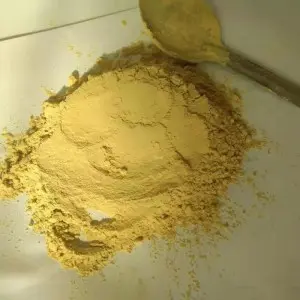
Active pollen should be kept dry and stored at the correct temperature. If pollen is found to be moist or clumped in the bag, it has likely lost its original activity and should not be used. Professional suppliers provide germination percentages (e.g., 65% for certain plum pollens) to indicate the expected viability at the time of shipment.
These categories refer to the fruit's texture at maturity. 'Water honey' varieties are soft and juicy, while 'Crisp' varieties remain firm. Because these categories can have different biological characteristics, selecting pollen that specifically matches the variety's affinity is crucial for maximizing the germination rate and fruit quality.
It is not recommended. Rain can wash pollen off the stigma, and high humidity can interfere with the germination process. If it rains within five hours after you have applied the pollen, the orchard typically requires re-pollination to ensure the fertilization process is completed.
Frozen pollen stored at -18°C is in a dormant state. To activate it, remove the pollen from the freezer 12 hours before the scheduled application and keep it at room temperature. This allows the cells to return to an active metabolic state, enabling them to germinate quickly once they reach the flower stigma.
For commercial growers, the investment is usually justified by the increase in 'Grade A' fruit. In many cases, artificial pollination can increase the proportion of high-quality commercial fruits from 50% to 85% and raise total yields by over 30%, significantly increasing the total market value of the harvest compared to natural pollination.
Final Thoughts
The shift toward precision agriculture means that growers can no longer leave pollination to chance. By implementing a rigorous approach to pollen selection—prioritizing variety affinity, germination rates, and strict cold-chain management—orchard managers can transform their harvest from unpredictable to stable.
Ultimately, the use of high-quality artificial pollen is an insurance policy against environmental volatility. When technical precision in the field meets a reliable biological product, the result is a higher fruit set rate, superior commercial grade, and a more sustainable return on investment for the orchard.
Related Posts