Understanding whether or not pear trees need auxiliary pollination is crucial for successful orchard management and fruit production. Many pear varieties are not self-fertile, meaning they require pollen from a different pear cultivar to set fruit effectively. This impacts orchard planning, variety selection, and overall yield, impacting both commercial growers and home gardeners alike. A thorough understanding of pollination requirements is therefore fundamental to maximizing pear harvests and ensuring orchard vitality.
Globally, pear production represents a significant portion of the fruit industry, with major producers including China, Italy, the United States, and Argentina (FAOSTAT, 2022). Successful pear cultivation is directly linked to effective pollination, and a lack of understanding regarding these needs can lead to significant economic losses. Furthermore, declining pollinator populations worldwide pose an additional challenge, making informed pollination strategies even more essential for sustaining pear production.
The concept of do pear trees need auxiliary pollination centers around the genetic compatibility and pollination mechanisms of different pear cultivars. Some varieties are ‘self-compatible’ to a degree, but usually benefit from cross-pollination, while others are entirely dependent on pollen from a different, compatible cultivar. This impacts everything from orchard layout to the strategic planting of pollinizer trees, directly addressing the need for reliable fruit set and higher yields.
The Importance of Understanding Pear Pollination Requirements
The success of pear cultivation hinges significantly on effective pollination. Many commercially grown pear varieties are not self-fertile, requiring pollen transfer from a different, compatible cultivar. Ignoring this fundamental need can lead to drastically reduced fruit set, impacting yields and profitability for orchard owners. Furthermore, understanding the specific pollination requirements of different pear varieties is crucial for making informed decisions during orchard planning and variety selection.
Beyond commercial implications, proper pollination ensures genetic diversity within pear orchards, contributing to the long-term health and resilience of the trees. A lack of cross-pollination can result in reduced vigor and increased susceptibility to diseases. Therefore, understanding do pear trees need auxiliary pollination isn’t simply about quantity of fruit, but also the overall quality and sustainability of the orchard ecosystem.
FAQS
Common signs include a very sparse fruit set, small and misshapen fruits, and uneven fruit development across the tree. A lack of noticeable bee activity during bloom can also be a clue. These indicate a potential problem with do pear trees need auxiliary pollination, requiring further investigation.
Yes, hand-pollination is possible, but it’s labor-intensive and best suited for small orchards or valuable cultivars. Using a small paintbrush to transfer pollen from the anthers of one flower to the stigma of another can be effective, but requires careful technique and timing. While effective for demonstrating do pear trees need auxiliary pollination, it’s not scalable for large-scale operations.
Generally, pear trees should be planted no more than 50-100 feet apart to ensure adequate pollen transfer by bees. The optimal distance depends on the specific varieties, prevailing wind patterns, and the abundance of pollinators. Understanding do pear trees need auxiliary pollination is key to determining an appropriate orchard layout.
Honeybees are the primary pollinators of pear trees, responsible for transferring pollen between flowers. Their foraging activity during bloom is crucial for successful fruit set. Orchardists often rent honeybee colonies to supplement natural pollinator populations, particularly in areas where bee numbers are declining. Thus understanding do pear trees need auxiliary pollination relies on robust pollinator populations.
While most commercial pear varieties benefit from cross-pollination, some exhibit a degree of self-compatibility. However, even these varieties typically produce larger and more numerous fruits when cross-pollinated. Checking the specific pollination requirements of each cultivar is essential. Successfully achieving do pear trees need auxiliary pollination, starts with appropriate cultivar selection.
Planting flowering plants that provide nectar and pollen throughout the growing season can attract and support pollinators. Reducing or eliminating pesticide use, providing nesting habitats (like bee houses), and creating a diverse landscape are also beneficial. Supporting a healthy pollinator population is fundamental when considering do pear trees need auxiliary pollination.
Conclusion
In conclusion, understanding whether or not do pear trees need auxiliary pollination is fundamental to successful pear cultivation. From recognizing the importance of pollination compatibility groups to implementing strategies for managing pollinator populations and mitigating environmental challenges, a proactive approach to pollination is essential for maximizing yields and ensuring the long-term health of pear orchards. Ignoring this fundamental aspect of pear tree biology can lead to significant economic losses and reduced fruit quality.
Looking ahead, continued research into breeding self-compatible pear varieties, developing innovative pollination techniques, and promoting pollinator conservation will be crucial for sustaining pear production in a changing climate. By prioritizing pollination, orchardists can not only secure their harvests but also contribute to the biodiversity and resilience of agricultural ecosystems. For more information and resources, visit our website: do pear trees need auxiliary pollination.
Related Posts
-
How Is China’s Leading Apple Pollen Manufacturer Connecting with International Buyers at Asia Fruit Logistica?
-
Pollen Collection for Advanced Research and Innovative Applications
-
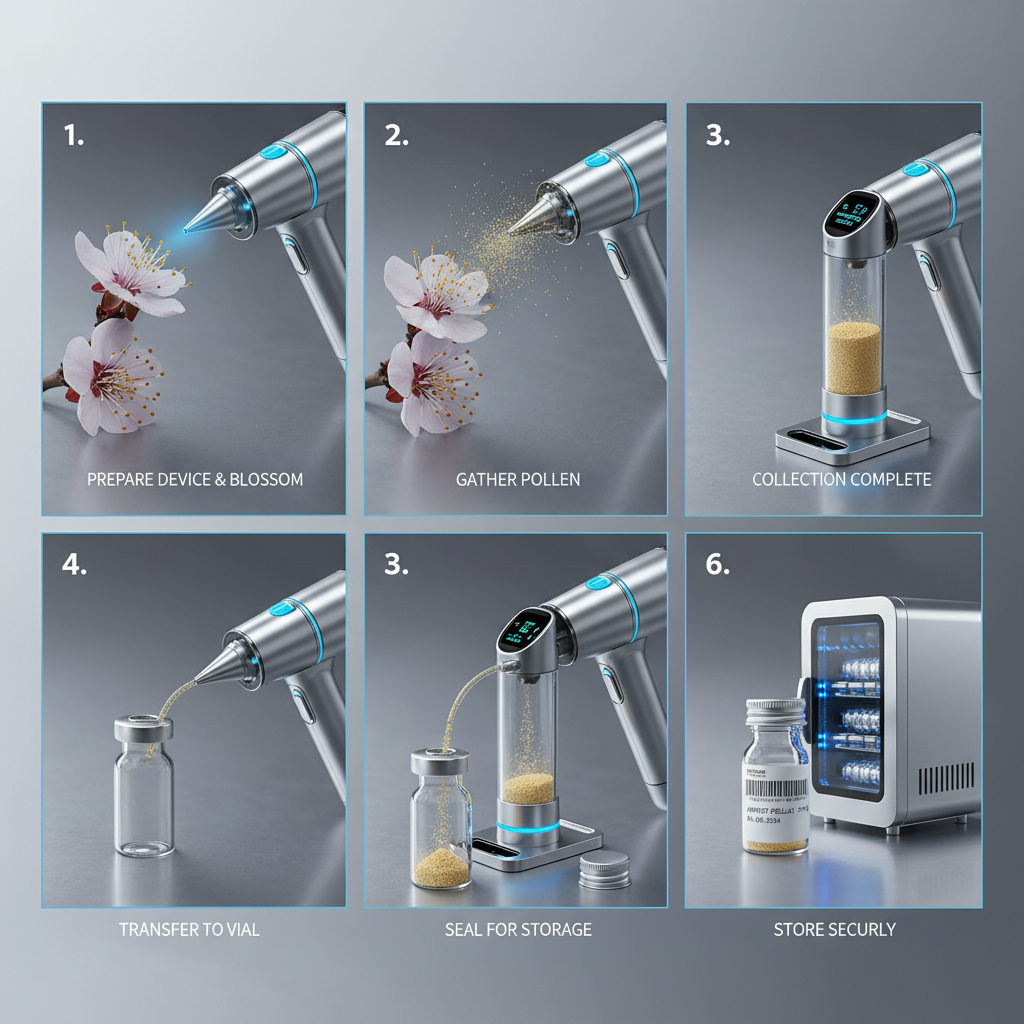
Optimizing Apricot Pollen Collection for Health Sustainability and Economic Growth
-
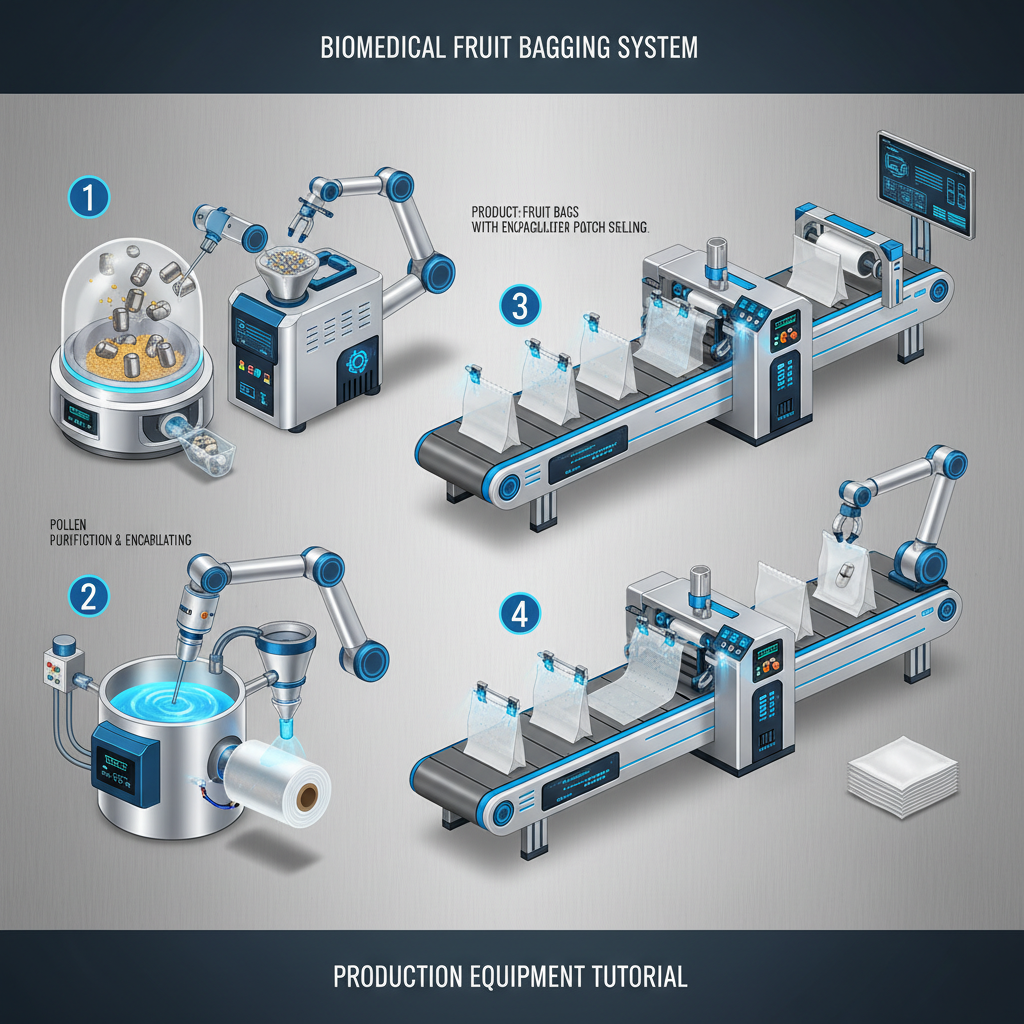
Advanced Production Equipment for Fruit Bagging Enhances Orchard Efficiency and Yield

 English
  Afrikaans
  Albanian
  Amharic
  Arabic
  Armenian
  Azerbaijani
  Basque
  Belarusian
  Bengali
  Bosnian
  Bulgarian
  Catalan
  Cebuano
  Corsican
  Croatian
  Czech
Czech  Danish
  Dutch
Dutch  Esperanto
  Estonian
  Finnish
  French
  Frisian
  Galician
  Georgian
  German
  Greek
Greek  Gujarati
  Haitian Creole
  Hausa
Hausa  Hawaiian
  Hebrew
  Hindi
Hindi  Miao
Miao  Hungarian
  Icelandic
  Igbo
Igbo  Indonesian
  Irish
Irish  Italian
  Japanese
  Javanese
  Kannada
  Kazakh
  Khmer
Khmer  Rwandese
  Korean
  Kurdish
  Kyrgyz
  Lao
Lao  Latin
Latin  Latvian
  Lithuanian
  Luxembourgish
  Macedonian
  Malgashi
  Malay
Malay  Malayalam
  Maltese
  Maori
Maori  Marathi
  Mongolian
  Myanmar
  Nepali
  Norwegian
  Norwegian
  Occitan
  Pashto
  Persian
  Polish
  Portuguese
  Punjabi
  Romanian
  Russian
  Samoan
  Scottish Gaelic
  Serbian
  Sesotho
  Shona
Shona  Sindhi
  Sinhala
  Slovak
  Slovenian
  Somali
  Spanish
  Sundanese
  Swahili
  Swedish
  Tagalog
  Tajik
Tajik  Tamil
Tamil  Tatar
Tatar  Telugu
  Thai
Thai  Turkish
  Turkmen
  Ukrainian
  Urdu
Urdu  Uighur
  Uzbek
Uzbek  Vietnamese
  Welsh
Welsh  Bantu
Bantu  Yiddish
  Yoruba
  Zulu
Zulu