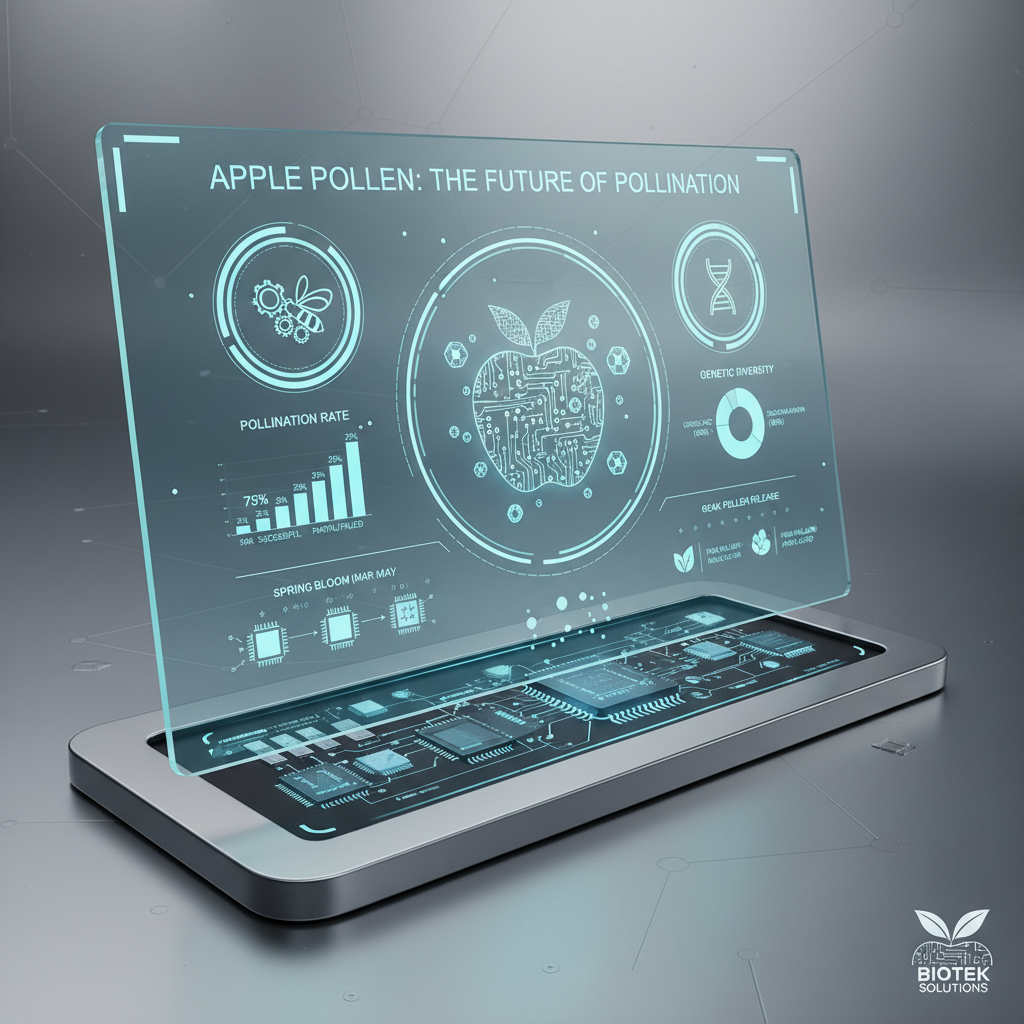
Apple pollen for pollination is a critical, yet often overlooked, element in the successful cultivation of apple orchards globally. Its effective transfer is paramount to fruit set and, ultimately, yield quality and quantity. Understanding the nuances of apple pollen – its viability, dispersal mechanisms, and environmental sensitivities – is becoming increasingly important in the face of climate change and declining pollinator populations. This knowledge empowers growers to optimize their pollination strategies, ensuring a stable and sustainable apple supply.
The global apple industry is a significant economic driver, with production exceeding 89 million tonnes annually (FAOSTAT, 2022). This necessitates efficient pollination practices. However, challenges such as pollinator decline – attributed to habitat loss, pesticide use, and disease – coupled with unpredictable weather patterns, threaten this production. Apple pollen for pollination, and strategies to enhance its effectiveness, are therefore crucial for maintaining food security and economic stability in apple-growing regions worldwide.
Furthermore, advancements in understanding apple pollen characteristics are leading to innovative approaches, including precision pollination techniques and the development of pollen substitutes. These developments have implications not only for large-scale commercial orchards but also for smaller-scale growers and organic farming practices, promoting a more resilient and sustainable apple industry.
The Importance of Apple Pollen for Pollination
The success of apple orchards hinges fundamentally on effective pollination. Apple pollen for pollination isn’t simply about the presence of pollen; it’s about its viability, quantity, and successful transfer to receptive stigmas. Insufficient pollination directly translates to reduced fruit set, smaller fruit size, and even complete crop failure. This is especially critical in apple varieties that require cross-pollination – pollination from a different apple cultivar – for optimal fruit development.
Proper apple pollen for pollination management also impacts the overall quality of the fruit. Well-pollinated apples exhibit better shape, color, sugar content, and storage life, increasing their market value and reducing post-harvest losses. Therefore, understanding and optimizing pollination practices are essential for maximizing profitability and sustainability within the apple industry.
Defining Apple Pollen for Pollination
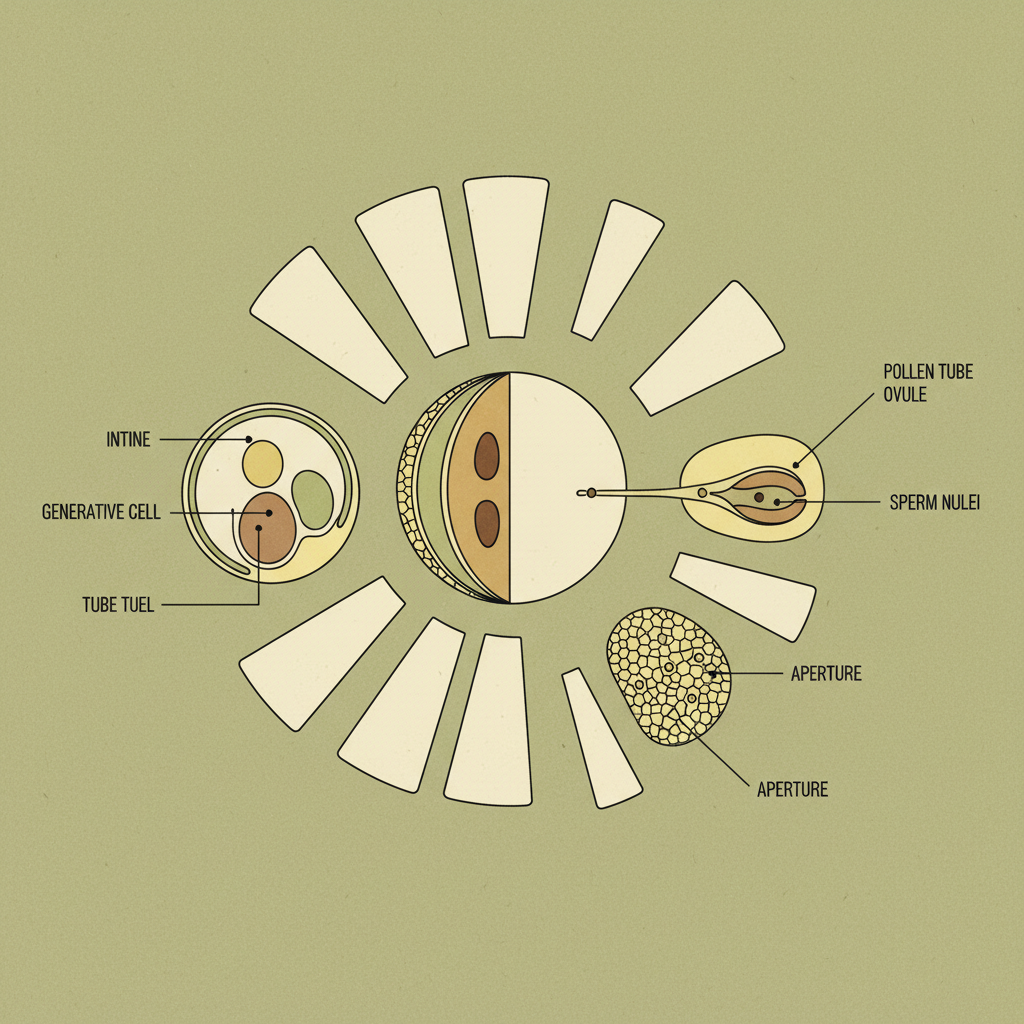
Apple pollen for pollination refers to the process of transferring pollen grains from the anthers of an apple flower to the stigma of another apple flower, enabling fertilization and subsequent fruit development. This isn't merely a natural occurrence; it's a complex biological interaction heavily influenced by environmental factors, pollinator activity, and orchard management practices. Effective pollination demands a sufficient quantity of viable pollen, appropriate timing, and a suitable mechanism for transfer.
In modern agriculture, apple pollen for pollination increasingly involves proactive strategies, such as managed honeybee colonies, the introduction of alternative pollinators (like bumblebees), and even techniques like hand-pollination or the use of pollen blowers in situations where natural pollination is insufficient. It directly addresses food production challenges and impacts the economic viability of apple farming.
Furthermore, a precise understanding of pollen compatibility between different apple varieties is critical. The genetic makeup of the pollen donor and recipient flowers determines whether successful fertilization will occur, highlighting the importance of carefully selecting compatible cultivars for orchard planting and pollination strategies.
Key Factors Affecting Apple Pollen Viability
Several factors contribute to the viability of apple pollen for pollination. Temperature is arguably the most significant. Extremely high or low temperatures can damage pollen grains, rendering them incapable of fertilization. Optimal temperatures for pollen development and transfer generally range between 15-25°C (59-77°F). Humidity also plays a crucial role, as low humidity can dehydrate pollen, while excessive humidity can hinder its dispersal.
Genetic factors and apple variety also heavily influence pollen viability. Some varieties naturally produce more robust pollen than others. Nutritional status of the apple tree also matters; deficiencies in essential nutrients can compromise pollen development. Finally, exposure to pesticides and other agricultural chemicals can negatively impact pollen viability and pollinator health, indirectly affecting pollination success.
The timing of pollen release and stigma receptivity is also critical. Pollen is typically released during the open-flower stage, and the stigma is receptive for a limited period. A mismatch between these timings – often due to weather fluctuations – can significantly reduce pollination efficiency. Careful orchard monitoring and, potentially, intervention strategies are necessary to address these challenges.
Global Applications of Optimized Pollination Techniques
Optimized apple pollen for pollination techniques are deployed globally, with adaptations tailored to local climates and agricultural practices. In regions with insufficient natural pollinators, like parts of China and the United States, managed honeybee colonies are extensively used. This involves strategically placing hives within orchards during bloom to maximize pollination rates.
In Europe, particularly in areas with concerns about bee health, there’s growing interest in utilizing alternative pollinators, such as bumblebees, which are more effective at pollinating apple blossoms in cooler temperatures. In Japan, precision pollination techniques, including the use of pollen blowers and specialized spraying equipment, are employed in high-density orchards to ensure uniform fruit set.
In South America, particularly Chile – a major apple exporter – research is focused on improving pollen storage and preservation techniques to extend the pollination window and mitigate the impact of adverse weather conditions. These regional approaches demonstrate the adaptability and importance of apple pollen for pollination in meeting diverse agricultural needs.
Comparative Effectiveness of Apple Pollen for Pollination Methods
Advantages of Effective Apple Pollen Management
Effective apple pollen for pollination offers numerous tangible benefits. Increased fruit set and yield directly translate to higher profitability for growers. Improved fruit quality – in terms of size, shape, color, and sugar content – enhances marketability and allows for premium pricing. Furthermore, optimized pollination can reduce reliance on chemical interventions, promoting more sustainable agricultural practices.
Beyond economic benefits, effective pollination contributes to long-term orchard health and resilience. Well-pollinated trees are better equipped to withstand environmental stresses and resist diseases. This promotes orchard longevity and reduces the need for costly replanting. From a broader perspective, ensuring a consistent apple supply contributes to food security and supports rural economies.
Future Trends in Apple Pollen for Pollination
The future of apple pollen for pollination is poised for significant advancements, driven by technological innovation and a growing emphasis on sustainability. Research into pollen cryopreservation – the long-term storage of pollen – holds promise for mitigating the impact of pollination disruptions due to adverse weather events.
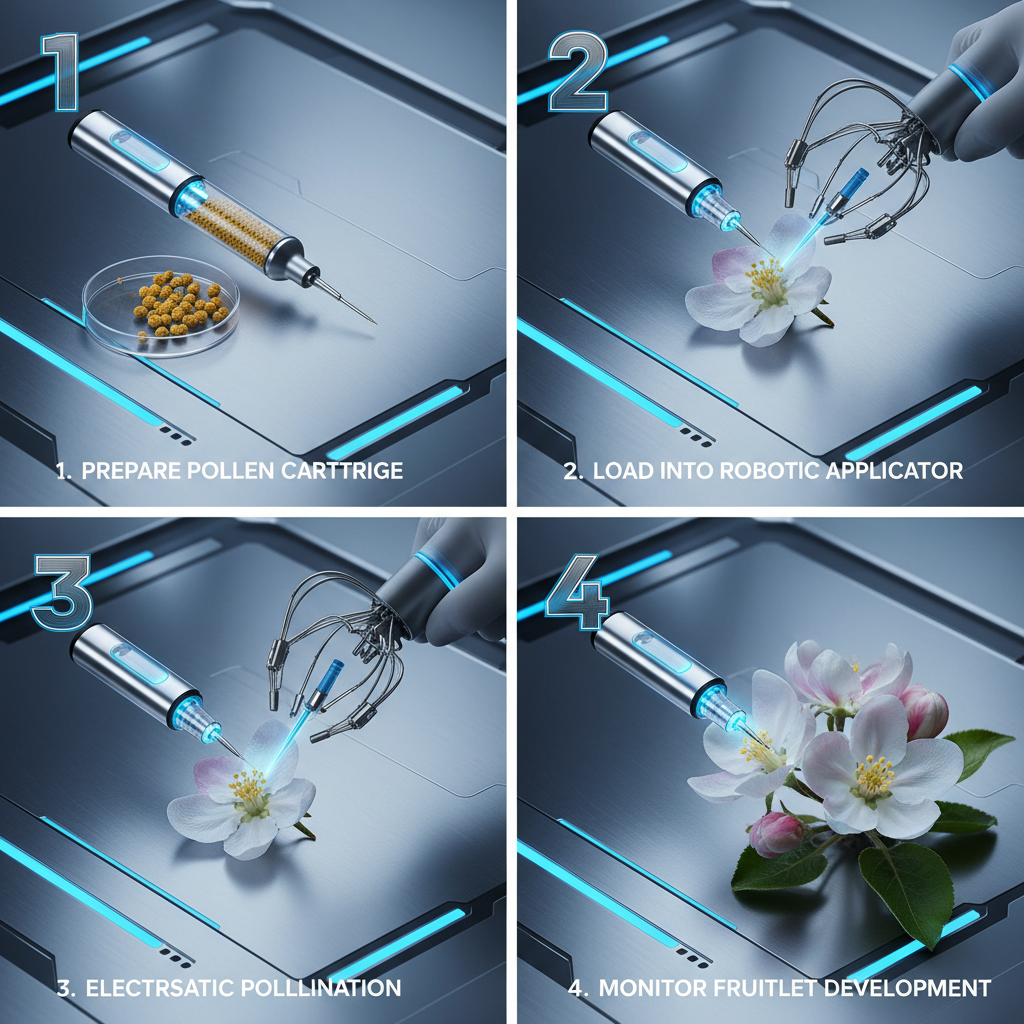
The development of pollen substitutes and synthetic pollination technologies is also gaining momentum, offering potential solutions for orchards facing pollinator shortages. Precision pollination techniques, utilizing drones and robotic systems to deliver pollen directly to stigmas, are expected to become increasingly widespread. These innovations will contribute to a more resilient and efficient apple industry.
Challenges and Solutions in Apple Pollen Transfer
Despite advancements, challenges remain in ensuring effective apple pollen for pollination. Pollinator decline remains a significant threat, exacerbated by habitat loss and pesticide use. Climate change-induced weather fluctuations, such as spring frosts and erratic rainfall, can disrupt pollination schedules and reduce pollen viability.
Solutions include promoting pollinator-friendly habitat through integrated pest management practices, reducing pesticide use, and diversifying pollinator populations. Investing in research and development of climate-resilient apple varieties is also crucial. Moreover, implementing early warning systems for frost events and utilizing protective measures, such as orchard heating or irrigation, can help mitigate weather-related pollination challenges.
Finally, fostering collaboration between researchers, growers, and policymakers is essential for developing and implementing effective strategies to address these challenges and ensure the long-term sustainability of apple production.
Summary of Apple Pollen Transfer Challenges and Proposed Solutions
| Challenge |
Impact on Apple Pollen for Pollination |
Proposed Solution |
Implementation Cost (1-10) |
| Pollinator Decline |
Reduced pollination rates, lower fruit set |
Habitat restoration, reduced pesticide use |
6 |
| Spring Frosts |
Pollen damage, reduced stigma receptivity |
Orchard heating, irrigation, frost-resistant varieties |
8 |
| Erratic Rainfall |
Pollen washout, reduced pollinator activity |
Cover crops, drainage improvements |
5 |
| Pesticide Exposure |
Pollinator mortality, reduced pollen viability |
Integrated Pest Management (IPM) |
4 |
| Pollen Incompatibility |
Reduced fruit set in cross-pollinated varieties |
Strategic cultivar selection, pollen mixing |
3 |
| Climate Change |
Altered flowering times, increased weather extremes |
Climate-resilient varieties, adaptive management |
7 |
FAQS
Several key factors influence apple pollen viability, including temperature, humidity, genetic variety, and the nutritional health of the tree. Extremely high or low temperatures can damage pollen, while low humidity can cause dehydration. Some apple varieties naturally produce more robust pollen than others. Lastly, the tree's overall health and access to essential nutrients directly impact pollen quality.
Growers can mitigate pollinator decline by creating pollinator-friendly habitats within and around their orchards, reducing pesticide use, and diversifying pollinator populations by introducing managed bumblebees or supporting native bee species. Promoting integrated pest management strategies is crucial. Additionally, exploring alternative pollination techniques, such as hand pollination or pollen blowers, can help ensure adequate fruit set.
Honeybees are a cornerstone of apple pollen for pollination in many regions, effectively transferring pollen between blossoms. However, their populations are facing decline. Alternatives include bumblebees, which are effective in cooler temperatures, and solitary bees, which can be highly efficient pollinators. Research into synthetic pollination methods and pollen substitutes is also underway.
Climate change presents several challenges to apple pollen for pollination. Altered flowering times, increased frequency of extreme weather events (frosts, heavy rain), and shifting pollinator ranges can disrupt the pollination process. Developing climate-resilient apple varieties and implementing adaptive management strategies are crucial for mitigating these impacts.
Cross-pollination – pollination from a different apple cultivar – is often essential for optimal fruit set and quality in many apple varieties. It typically results in larger, more uniformly shaped fruit with improved seed development. Selecting compatible pollinizer varieties is crucial for maximizing yields and ensuring fruit quality.
Several promising technologies are emerging, including pollen cryopreservation for long-term storage, precision pollination using drones or robotic systems, and the development of pollen substitutes. Advancements in genetic breeding are also leading to apple varieties with improved pollen viability and compatibility. These innovations aim to enhance pollination efficiency and resilience.
Conclusion
In conclusion, apple pollen for pollination is a fundamental process driving the global apple industry. Understanding the factors that influence pollen viability, the challenges posed by environmental changes, and the innovative solutions being developed are critical for ensuring a sustainable and secure apple supply. Optimized pollination practices translate to increased yields, improved fruit quality, and enhanced orchard health.
Looking ahead, continued research, collaboration, and investment in pollinator conservation and innovative pollination technologies will be essential. By prioritizing apple pollen for pollination, we can safeguard this vital crop for generations to come. For more information and to explore solutions for your orchard, visit our website: www.jmlpollen.com.


 English
  Afrikaans
  Albanian
  Amharic
  Arabic
  Armenian
  Azerbaijani
  Basque
  Belarusian
  Bengali
  Bosnian
  Bulgarian
  Catalan
  Cebuano
  Corsican
  Croatian
  Czech
Czech  Danish
  Dutch
Dutch  Esperanto
  Estonian
  Finnish
  French
  Frisian
  Galician
  Georgian
  German
  Greek
Greek  Gujarati
  Haitian Creole
  Hausa
Hausa  Hawaiian
  Hebrew
  Hindi
Hindi  Miao
Miao  Hungarian
  Icelandic
  Igbo
Igbo  Indonesian
  Irish
Irish  Italian
  Japanese
  Javanese
  Kannada
  Kazakh
  Khmer
Khmer  Rwandese
  Korean
  Kurdish
  Kyrgyz
  Lao
Lao  Latin
Latin  Latvian
  Lithuanian
  Luxembourgish
  Macedonian
  Malgashi
  Malay
Malay  Malayalam
  Maltese
  Maori
Maori  Marathi
  Mongolian
  Myanmar
  Nepali
  Norwegian
  Norwegian
  Occitan
  Pashto
  Persian
  Polish
  Portuguese
  Punjabi
  Romanian
  Russian
  Samoan
  Scottish Gaelic
  Serbian
  Sesotho
  Shona
Shona  Sindhi
  Sinhala
  Slovak
  Slovenian
  Somali
  Spanish
  Sundanese
  Swahili
  Swedish
  Tagalog
  Tajik
Tajik  Tamil
Tamil  Tatar
Tatar  Telugu
  Thai
Thai  Turkish
  Turkmen
  Ukrainian
  Urdu
Urdu  Uighur
  Uzbek
Uzbek  Vietnamese
  Welsh
Welsh  Bantu
Bantu  Yiddish
  Yoruba
  Zulu
Zulu