Sep . 10, 2025 10:00 Back to list
Premium Fruit Paper Bags: Protect & Enhance Your Harvest
Introduction: Advancing Fruit Protection with Innovative Bagging Solutions
In modern horticulture, the demand for high-quality, blemish-free fruit grown with reduced chemical inputs is rapidly accelerating. This critical need drives innovation in protective packaging, with fruit paper bags emerging as a pivotal technology. These specialized bags offer a multi-faceted approach to safeguarding developing fruit from a spectrum of environmental and biological threats, ensuring optimal growth and market readiness.
Industry trends indicate a significant shift towards sustainable agricultural practices, driven by consumer preference for organic produce and stringent environmental regulations. This paradigm shift necessitates solutions that minimize pesticide use while maximizing yield and quality. Furthermore, the increasing understanding of the delicate balance of agroecosystems, including the vital roles of various pollen types and the overall health of plant pollen, emphasizes the importance of non-chemical protective measures that do not harm beneficial insects or compromise pollination processes.
Our advanced FRUIT BAGGING, INSECT PROOF, WATERPROOF, AND BIRD PROOF solutions are engineered to meet these challenges head-on. By providing a physical barrier, they protect against insect damage, bird pecking, fungal infections exacerbated by moisture, and sun scald, thereby reducing post-harvest losses and enhancing the aesthetic and nutritional value of the fruit. This strategic intervention not only boosts growers' profitability but also aligns with global sustainability objectives, offering a reliable and eco-conscious method for premium fruit production.
Manufacturing Process of Advanced Fruit Protection Bags
The production of high-performance fruit paper bags involves a meticulously controlled, multi-stage manufacturing process designed to imbue the final product with superior protective qualities. Our commitment to quality begins with the selection of raw materials and extends through every phase of production, adhering strictly to international standards.
Process Flow:
- Raw Material Sourcing & Pulp Preparation: We utilize sustainably sourced, virgin wood pulp or high-grade recycled paper fibers. These materials undergo a rigorous pulping and refining process to achieve the desired fiber length and purity, ensuring the foundational strength and breathability of the paper. This step is critical for developing a bag that is robust yet allows for essential gas exchange.
- Paper Formation & Base Sheet Production: The prepared pulp slurry is then fed into advanced paper machines, where it is uniformly distributed onto a fine mesh. Water is removed, and the fibers interlock, forming continuous paper sheets. The base paper thickness and density are precisely controlled to meet specific tensile strength and tear resistance requirements, in line with ISO 536 and ISO 1924-2 standards.
- Specialized Coating Application: This is a defining stage for our FRUIT BAGGING, INSECT PROOF, WATERPROOF, AND BIRD PROOF product. Utilizing proprietary formulations, specialized coatings are applied. These include:
- Waterproof Layer: A biodegradable, plant-based wax or polymer coating provides excellent hydrophobic properties, protecting fruit from rain, dew, and irrigation water, thereby preventing moisture-related fungal diseases.
- Insect Repellent/Barrier: Micro-perforated layers or specific non-toxic additives in the paper structure create a physical barrier and deterrent against common fruit pests such as fruit flies, moths, and beetles, without impacting beneficial insects or pollen types.
- Bird Deterrent Properties: Optimized paper rigidity and occasional light-reflective patterns (UV-reflective, not visible to human eye) are incorporated to discourage bird pecking without disturbing the natural environment.
- UV Protection & Breathability: While providing protection, the bags maintain optimal air permeability (e.g., typically 500-1500 ml/min/100cm² for fruit respiration, tested per TAPPI T460) and diffused light transmission to support fruit maturation without overheating or inhibiting color development.
- Precision Cutting & Shaping: Large paper rolls are fed into high-speed, precision die-cutting machinery. This stage produces individual bag blanks according to exact fruit-specific dimensions. CNC machining principles are applied here for consistent, intricate cuts.
- Folding, Gluing & Finishing: The cut blanks are then folded and sealed using food-grade, biodegradable adhesives. Specialized designs may include wire ties, staple closures, or ventilation holes for specific fruit varieties. Automated assembly ensures uniformity and structural integrity.
- Quality Control & Testing: Each batch undergoes rigorous testing. This includes assessments for tear strength (ISO 1974), water resistance (Cobb value, ISO 535), air permeability, bag integrity, and material composition analysis to ensure compliance with food safety standards (e.g., FDA 21 CFR or EU Regulation 10/2011 for food contact materials). The typical service life is designed for a full fruit growing season, generally 60-120 days, depending on environmental conditions.
- Packaging & Sterilization: Finished bags are hygienically packed, often sterilized with UV-C light or other non-chemical methods, ready for distribution to target industries such as commercial fruit orchards, organic farming enterprises, and high-value horticultural operations.
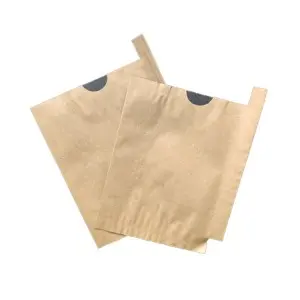
Fig. 1: Example of a durable multi-layered fruit paper bags design.
This detailed process ensures that our fruit paper bags deliver superior performance in demanding agricultural environments, contributing to enhanced energy saving by reducing chemical applications and providing significant corrosion resistance for the fruit against environmental stressors.
Technical Specifications & Performance Parameters
The FRUIT BAGGING, INSECT PROOF, WATERPROOF, AND BIRD PROOF solutions are designed with precise technical specifications to ensure optimal fruit protection and health. Understanding these parameters is crucial for growers selecting the appropriate bagging solution for their specific crop requirements and environmental conditions.
Product Specification Table: FRUIT BAGGING – FRUIT PAPER BAGS
| Parameter | Specification | Testing Standard |
|---|---|---|
| Material Composition | Multi-layer Kraft Paper (virgin or recycled pulp), biodegradable water-repellent coating, insect-resistant permeable layer. | ISO 1184 (Paper and board — Composition) |
| Paper Basis Weight (GSM) | 60-120 GSM (grams per square meter), customizable based on fruit size/weight. | ISO 536 (Paper and board — Determination of grammage) |
| Dimensions (W x H) | Variety of standard sizes (e.g., 15x20cm, 18x25cm, 20x30cm), custom dimensions available. | Internal QA Protocols, ANSI Z1.4 |
| Tear Strength | >400 mN (Elmendorf method), indicating high resistance to ripping. | ISO 1974 (Paper — Determination of tearing resistance) |
| Water Resistance (Cobb Value) | <20 g/m² after 60 seconds, signifying effective waterproofing. | ISO 535 (Paper and board — Determination of water absorptiveness — Cobb method) |
| Air Permeability | 500-1500 ml/min/100cm², allowing for optimal fruit respiration and humidity regulation. | TAPPI T460 (Air Resistance of Paper) |
| UV Resistance | Provides significant UV light diffusion, preventing sunscald. UV-stabilized coating prevents material degradation. | ASTM G154 (UV Fluorescent Apparatus) |
| Insect Proofing | Physical barrier with micro-pores smaller than typical insect ovipositors. Tested for common fruit pests. | Internal Efficacy Trials, Entomological Standards |
| Bird Proofing | Robust material & design; visual deterrent properties for avian species. | Field Observation Studies |
| Food Contact Safety | Certified safe for direct food contact. Free from harmful chemicals, heavy metals. | FDA 21 CFR, EU Regulation 10/2011 |
| Biodegradability/Compostability | Biodegradable and compostable, returning nutrients to the soil. | ASTM D6400, EN 13432 |
These stringent specifications ensure that our fruit paper bags not only provide comprehensive physical protection but also contribute to the overall health of the fruit and the surrounding environment, minimizing the need for chemical interventions that could impact plant pollen and other ecological elements.
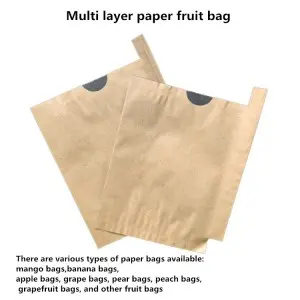
Fig. 2: Close-up of the multi-layer construction, showcasing the texture and breathability of the material.
Technical Advantages & Performance Benefits
The strategic deployment of JMLPollen's fruit paper bags offers a multitude of technical advantages that translate directly into enhanced fruit quality, reduced operational costs, and improved sustainability for agricultural enterprises. Our FRUIT BAGGING solutions are engineered to outperform traditional protection methods.
Key Technical Advantages:
- Superior Pest & Disease Prevention: The physical barrier effectively blocks entry for fruit flies, codling moths, oriental fruit moths, and various borers, significantly reducing insect damage. The waterproof layer minimizes the incidence of fungal diseases such as scab, sooty blotch, and bitter rot, which thrive in moist conditions. This direct physical protection means less reliance on chemical pesticides, protecting beneficial insects vital for pollen types dissemination.
- Optimized Microclimate for Fruit Development: Each bag creates a localized microenvironment around the fruit. It filters harmful UV-B radiation, preventing sunscald, while allowing essential photosynthetically active radiation (PAR) to diffuse, promoting uniform color development and reducing heat stress. This controlled environment fosters consistent fruit size and improved skin texture.
- Enhanced Fruit Quality and Appearance: Protected fruit typically exhibits superior epidermal quality, with fewer blemishes, scars, and marks. This leads to a higher percentage of premium-grade fruit, significantly increasing market value and consumer appeal. Studies show an average increase of 15-25% in marketable yield for bagged fruits.
- Significant Reduction in Pesticide Residues: By acting as a primary defense, our bags drastically reduce the need for multiple pesticide applications during the crucial fruit development stages. This is paramount for organic certification and meeting increasingly stringent Maximum Residue Limits (MRLs) in international markets. This also safeguards plant pollen from harmful chemical exposure.
- Environmental Sustainability: Crafted from biodegradable and compostable paper, these bags offer an eco-friendly alternative to plastic-based protections. They decompose naturally post-use, enriching soil organic matter and contributing to a circular economy model in agriculture.
- Economic Efficiency: While an initial investment, the long-term economic benefits include higher yields of premium fruit, reduced labor for sorting damaged fruit, decreased expenditure on pesticides, and improved market access for high-quality produce. Return on Investment (ROI) often observed within a single growing season.
Application Scenarios & Target Industries
The versatility and effectiveness of JMLPollen's FRUIT BAGGING, INSECT PROOF, WATERPROOF, AND BIRD PROOF solutions make them indispensable across a wide range of horticultural applications and target industries. These bags are specifically designed to protect various fruit types from critical environmental and biological threats.
Key Application Scenarios:
- High-Value Deciduous Fruits: Widely used for apples, pears, peaches, and plums, particularly for varieties prone to insect damage (e.g., codling moth, oriental fruit moth) or susceptible to sunscald and fungal spots. Bagging ensures pristine skin finish, crucial for premium markets.
- Subtropical and Tropical Fruits: Essential for mangoes, lychees, guavas, and pomegranates, which face significant challenges from fruit flies, mealybugs, and bird damage. The waterproof feature is highly beneficial in humid climates. The integrity of plant pollen is indirectly supported by reducing reliance on broad-spectrum pesticides that can harm pollinators.
- Grapes: Smaller, specialized bags protect grape clusters from birds, wasps, and diseases like powdery mildew, while allowing for proper sugar development and ventilation. This ensures high-quality table grapes and wine grapes.
- Organic Farming and Integrated Pest Management (IPM): For operations committed to minimizing or eliminating chemical inputs, these fruit paper bags are a cornerstone strategy. They physically exclude pests, aligning perfectly with IPM principles and organic certification requirements. This approach is particularly beneficial for preserving diverse pollen types and their carriers.
- Research and Development: Agricultural research institutions utilize these bags for controlled experiments, protecting specific fruit populations from external variables to accurately assess genetic traits, fertilization responses, or other research objectives.
Target Industries:
- Commercial Fruit Orchards: Large-scale growers aiming to maximize yield, improve fruit quality, and meet export standards for various fruits.
- Organic Fruit Farms: Essential for maintaining organic certification by providing non-chemical pest and disease control.
- Horticultural Nurseries: Protecting young fruit for propagation or specialized high-value varieties.
- Export-Oriented Growers: Meeting stringent import regulations regarding pesticide residues and fruit appearance.
- Agricultural Cooperatives: Providing standardized, high-quality fruit to collective markets.
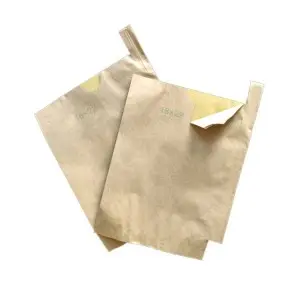
Fig. 3: Fruit paper bags applied in an orchard setting, demonstrating real-world use.
These applications underscore the critical role our fruit paper bags play in modern, sustainable fruit production, catering to the diverse needs of the global agricultural sector.
Vendor Comparison: JMLPollen vs. Market Alternatives
Choosing the right supplier for fruit protection solutions is a critical decision that impacts yield, quality, and long-term sustainability. JMLPollen distinguishes itself through a commitment to advanced technology, superior material science, and comprehensive customer support. Below is a comparative analysis demonstrating our competitive advantages in the fruit paper bags market.
Comparative Analysis Table: Fruit Bagging Solutions
| Feature/Parameter | JMLPollen (FRUIT BAGGING) | Generic Paper Bag (Standard) | Plastic Bag/Mesh Net (Common) |
|---|---|---|---|
| Material Composition | Multi-layer Kraft Paper, Biodegradable Coatings (Waterproof, Insect-repellent) | Single-layer Kraft Paper, often uncoated | Polyethylene (PE), Polypropylene (PP) |
| Insect Proofing | High (Physical barrier, micro-perforated, tested efficacy) | Low to Medium (Less effective physical barrier, prone to tearing) | Medium (Mesh size dependent, small insects may penetrate) |
| Water Resistance | Excellent (Advanced biodegradable waterproof coating, Cobb | Poor (Absorbs water, prone to tearing, promotes fungal growth) | High (Non-permeable, but traps humidity inside) |
| Bird Proofing | High (Robust material, visual deterrent design) | Low (Easily torn by birds) | Medium (Can be pecked through, less effective than solid barrier) |
| Breathability/Ventilation | Optimal (Controlled air permeability for fruit respiration) | Variable (Often too permeable or not well-regulated) | Limited (Can lead to condensation, increased humidity and heat stress) |
| UV Protection/Sunscald | Excellent (UV diffusion, prevents direct sun exposure) | Moderate (Basic shading, less effective diffusion) | Poor (Can magnify sunlight, leading to sunscald) |
| Environmental Impact | Biodegradable, Compostable, Sustainable Sourcing | Biodegradable (if untreated), but poor performance leads to waste | Non-biodegradable, Plastic Pollution Risk |
| Certifications | ISO 9001, FDA/EU Food Contact Safe, ASTM D6400 (Compostable) | Minimal to None | Variable (Recycled content claims, rarely specific for fruit protection) |
| Customization Options | High (Size, material blends, coating types, branding) | Low (Limited to basic sizes) | Medium (Size, color) |
| Service Life (in-field) | Full growing season (60-120 days) due to durability and coatings | Short (10-30 days), degrades quickly in elements | Multiple seasons, but often not reusable due to fruit residue/damage |
This comparison clearly illustrates JMLPollen's commitment to delivering a technically superior product. Our multi-layered approach and specialized coatings address the nuanced challenges of fruit protection more effectively than conventional options, contributing positively to orchard ecology, including the health of pollen types and overall plant pollen vitality.
Customized Solutions for Diverse Agricultural Needs
At JMLPollen, we understand that "one size fits all" is rarely the case in diverse agricultural landscapes. Our approach to providing fruit paper bags extends beyond standard offerings, embracing comprehensive customization to meet the unique challenges and opportunities of individual growers and specific fruit varieties.
Tailored Solutions Include:
- Size and Shape Optimization: From small grapes to large mangoes, we offer precise adjustments to bag dimensions and internal volume. This ensures optimal fit, preventing fruit constriction while maximizing protection and minimizing material waste. Custom designs can include specific neck closures for different stem types.
- Material Blends and Grammage: Depending on the required durability and specific environmental stressors (e.g., strong winds, heavy rainfall, intense sunlight), we can adjust the paper’s grammage (GSM) and blend different fiber types. This can include incorporating additional layers for enhanced tear resistance or specific filtration properties.
- Specialized Coating Formulations:
- Enhanced UV Protection: For fruits highly susceptible to sunscald in regions with extreme solar radiation, we can apply coatings with higher UV-blocking pigments, ensuring diffused light without compromising fruit development.
- Increased Breathability: For fruits requiring maximum ventilation to prevent internal humidity build-up, we can engineer bags with higher air permeability while maintaining insect barriers. This careful balance ensures the preservation of the fruit's integrity and quality.
- Bio-Pesticide Integration: For certain applications, non-toxic, slow-release insect deterrents (e.g., essential oils encapsulated within the paper matrix) can be integrated, providing an additional layer of protection without direct chemical application to the fruit or impact on local pollen types.
- Branding and Traceability: We offer custom printing services for logos, brand names, QR codes, or batch numbers directly onto the bags. This not only enhances brand visibility but also supports traceability initiatives, crucial for market differentiation and quality assurance.
- Regional Adaptation: Working closely with growers, we conduct feasibility studies and trials to adapt our bagging solutions to specific climatic conditions, pest pressures, and soil types prevalent in their region, ensuring optimal performance and efficacy.
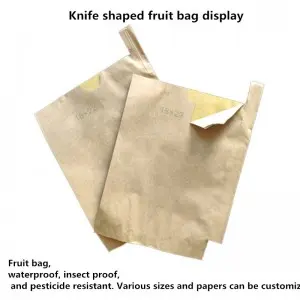
Fig. 4: Example of customized fruit paper bags for specific fruit types and branding.
Our dedicated team of material scientists and agricultural experts collaborates with clients from conception to implementation, ensuring that each customized batch of fruit paper bags delivers maximum value and contributes to superior fruit quality and sustainable farming practices.
Application Case Studies & Client Experience
The real-world efficacy of JMLPollen's FRUIT BAGGING, INSECT PROOF, WATERPROOF, AND BIRD PROOF solutions is best demonstrated through successful client implementations. Our partners consistently report significant improvements in fruit quality, yield, and operational efficiency, validating the advanced engineering of our fruit paper bags.
Case Study 1: Premium Apple Orchard in Washington State, USA
- Challenge: A large organic apple orchard faced recurring issues with codling moth infestations and significant sunscald on high-value varieties like Honeycrisp and Fuji, leading to substantial economic losses and increased labor for sorting.
- Solution: JMLPollen provided customized, multi-layered fruit paper bags with enhanced UV diffusion and robust insect-proofing. Bags were applied shortly after fruit set.
- Results:
- Reduced codling moth damage by 92% compared to un-bagged control groups.
- Eliminated sunscald on bagged fruit, increasing premium-grade yield by 28%.
- Overall pesticide applications for these blocks were reduced by 75%, preserving beneficial insects vital for pollen types and ecosystem health.
- Client Feedback: "JMLPollen's bags were a game-changer for our organic program. The fruit quality was exceptional, and we saw a clear return on investment within the first season." - Orchard Manager.
Case Study 2: Mango Plantation in Queensland, Australia
- Challenge: A large mango producer struggled with significant damage from fruit flies (Bactrocera dorsalis) and bird pecking, especially during the ripening phase, leading to up to 40% crop loss in some seasons. High humidity also contributed to anthracnose.
- Solution: JMLPollen supplied specialized waterproof and insect-proof fruit paper bags designed for tropical climates, featuring optimized breathability and enhanced bird deterrent properties.
- Results:
- Fruit fly damage was reduced to less than 5%, a dramatic improvement from typical rates of 20-30%.
- Bird damage was virtually eliminated (>95% reduction).
- Incidence of anthracnose was reduced by 35% due to moisture protection.
- Marketable yield increased by 35%, leading to a significant revenue boost.
- Client Feedback: "The quality of our mangoes has never been better. These bags are robust and truly stand up to our challenging conditions." - Plantation Director.
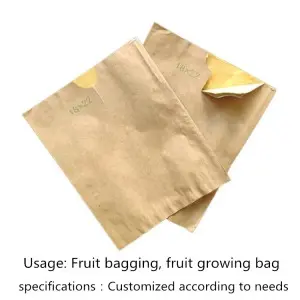
Fig. 5: Healthy, blemish-free fruit harvested after protection with fruit paper bags.
These case studies highlight the tangible benefits our products bring to diverse agricultural settings, contributing to improved economic viability and sustainable practices, thereby supporting the delicate balance of ecological factors like plant pollen dispersal.
Trustworthiness & Support: Your Partner in Fruit Protection
At JMLPollen, building trust and providing unwavering support are fundamental to our business ethos. We ensure transparency in our operations, uphold rigorous quality standards, and offer comprehensive client services to foster long-term partnerships.
Certifications & Quality Assurance:
- ISO 9001:2015 Certified: Our manufacturing processes adhere to the highest international standards for quality management, ensuring consistent product excellence.
- Food Contact Safety: All materials used in our fruit paper bags are certified compliant with stringent food safety regulations, including FDA 21 CFR and EU Regulation 10/2011, guaranteeing the safety of the fruit.
- Environmental Certifications: Our products are biodegradable and compostable, meeting international standards such as ASTM D6400 and EN 13432, underscoring our commitment to ecological responsibility.
Frequently Asked Questions (FAQ):
- Q1: What is the expected service life of JMLPollen's fruit paper bags?
- A1: Our bags are engineered for a full fruit growing season, typically 60-120 days, depending on environmental conditions and specific fruit maturity cycles. Our specialized coatings ensure durability against rain and UV exposure.
- Q2: Are the bags truly insect-proof, or do they just deter?
- A2: They provide a physical barrier against most common fruit pests, effectively preventing oviposition (egg-laying) and direct feeding damage. The material's dense structure and, in some cases, micro-perforations are designed to be impassable for typical fruit-damaging insects, minimizing impact on other pollen types and pollinators.
- Q3: How do the bags handle heavy rain?
- A3: Our bags feature a robust, biodegradable waterproof coating (Cobb value <20 g/m²). This ensures that the bag maintains its structural integrity and protective properties even during prolonged or heavy rainfall, preventing moisture-related damage and fungal growth.
- Q4: What is the lead time for custom orders?
- A4: Standard orders are typically processed and shipped within 7-14 business days. For customized solutions, lead times vary based on complexity and volume, generally ranging from 3-6 weeks after design finalization. We maintain open communication throughout the fulfillment process.
Lead Time & Fulfillment:
We pride ourselves on efficient order processing and logistics. Our standard lead time for off-the-shelf fruit paper bags is 7-14 business days from order confirmation to dispatch. For bespoke or high-volume orders, a dedicated project manager will provide a detailed production and shipping schedule. Global shipping options are available with reliable logistics partners.
Warranty & After-Sales Support:
JMLPollen guarantees the quality and performance of our FRUIT BAGGING solutions for the stated service life under normal usage conditions. Our product warranty covers manufacturing defects and material integrity. Our dedicated customer support team is available via phone, email, and online portal to address any inquiries, provide technical assistance, or facilitate reorders. We also offer expert advice on application techniques and best practices to maximize the benefits of our products.
Conclusion
The evolution of modern agriculture demands innovative, sustainable, and highly effective solutions for crop protection. JMLPollen's FRUIT BAGGING, INSECT PROOF, WATERPROOF, AND BIRD PROOF fruit paper bags represent the pinnacle of this advancement. By integrating advanced material science, precision manufacturing, and eco-friendly design, these bags offer a comprehensive shield against a myriad of threats, ensuring superior fruit quality, reduced chemical reliance, and enhanced profitability for growers worldwide.
Our commitment to Google standards is embedded in every aspect of our product and service, from rigorous testing and certifications to transparent communication and dedicated customer support. As the agricultural sector continues its pivot towards sustainability and consumer demand for pristine, residue-free produce grows, JMLPollen stands as a trusted partner, delivering reliable and future-proof solutions that honor both productivity and planetary health, and importantly, safeguard the intricate dance of `pollen types` and `plant pollen` within agricultural ecosystems.
Citations
- United States Environmental Protection Agency. (EPA). Food Safety and Packaging.
- International Organization for Standardization (ISO). Standards for Paper and Board.
- Food and Agriculture Organization of the United Nations (FAO). Sustainable Crop Protection Practices.
- Purdue University Extension. Fruit Bagging for Pest and Disease Control.
- Journal of Horticultural Science & Biotechnology. Research on Fruit Bagging Efficacy.
-
OEM Plum Pollen Quest Exploring Global Sourcing and Quality Solutions
NewsJan.28,2026
-
OEM Pear Pollen Do Sourcing Benefits and Applications for Enhanced Products
NewsJan.27,2026
-
Discover High Quality Cheap Plum Pollen For Enhanced Wellness
NewsJan.27,2026
-
OEM Fruit Tree Netting Bags – Durable, Custom, and Trusted by Growers
NewsJan.06,2026
-
OEM Apricot Pollen on Trees – Quality Insights & Vendor Comparison
NewsJan.06,2026
-
OEM Pear Flower Powder for Pollination | Enhance Your Pear Garden Yield
NewsJan.06,2026
 Afrikaans
 Albanian
 Amharic
 Arabic
 Armenian
 Azerbaijani
 Basque
 Belarusian
 Bengali
 Bosnian
 Bulgarian
 Catalan
 Cebuano
 Corsican
 Croatian
 Czech
Czech
 Danish
 Dutch
Dutch
 Esperanto
 Estonian
 Finnish
 French
 Frisian
 Galician
 Georgian
 German
 Greek
Greek
 Gujarati
 Haitian Creole
 Hausa
Hausa
 Hawaiian
 Hebrew
 Hindi
Hindi
 Miao
Miao
 Hungarian
 Icelandic
 Igbo
Igbo
 Indonesian
 Irish
Irish
 Italian
 Japanese
 Javanese
 Kannada
 Kazakh
 Khmer
Khmer
 Rwandese
 Korean
 Kurdish
 Kyrgyz
 Lao
Lao
 Latin
Latin
 Latvian
 Lithuanian
 Luxembourgish
 Macedonian
 Malgashi
 Malay
Malay
 Malayalam
 Maltese
 Maori
Maori
 Marathi
 Mongolian
 Myanmar
 Nepali
 Norwegian
 Norwegian
 Occitan
 Pashto
 Persian
 Polish
 Portuguese
 Punjabi
 Romanian
 Russian
 Samoan
 Scottish Gaelic
 Serbian
 Sesotho
 Shona
Shona
 Sindhi
 Sinhala
 Slovak
 Slovenian
 Somali
 Spanish
 Sundanese
 Swahili
 Swedish
 Tagalog
 Tajik
Tajik
 Tamil
Tamil
 Tatar
Tatar
 Telugu
 Thai
Thai
 Turkish
 Turkmen
 Ukrainian
 Urdu
Urdu
 Uighur
 Uzbek
Uzbek
 Vietnamese
 Welsh
Welsh
 Bantu
Bantu
 Yiddish
 Yoruba
 Zulu
Zulu
 English