The preservation of apple pollen is a critical aspect of maintaining genetic diversity within apple orchards and ensuring the future resilience of apple production globally. This practice safeguards against unforeseen environmental changes, disease outbreaks, and the potential loss of valuable apple varieties. Efficient preservation methods are becoming increasingly vital as climate change and agricultural intensification threaten traditional apple growing regions and the unique characteristics of heritage cultivars.
Understanding the science behind apple pollen preservation extends beyond horticulture; it impacts food security, biodiversity conservation, and the development of advanced breeding programs. The ability to store and reliably utilize apple pollen unlocks opportunities for targeted trait improvement, disease resistance enhancement, and adaptation to changing climatic conditions, ultimately benefiting both producers and consumers. preservation of apple pollen is a cornerstone of these efforts.
Effective preservation of apple pollen necessitates a multidisciplinary approach, integrating botanical knowledge, cryogenic techniques, and logistical considerations. Investing in research and development of advanced preservation technologies promises to enhance the long-term viability of apple genetic resources and secure a sustainable future for this economically and culturally significant fruit.

The Significance of Apple Pollen Preservation
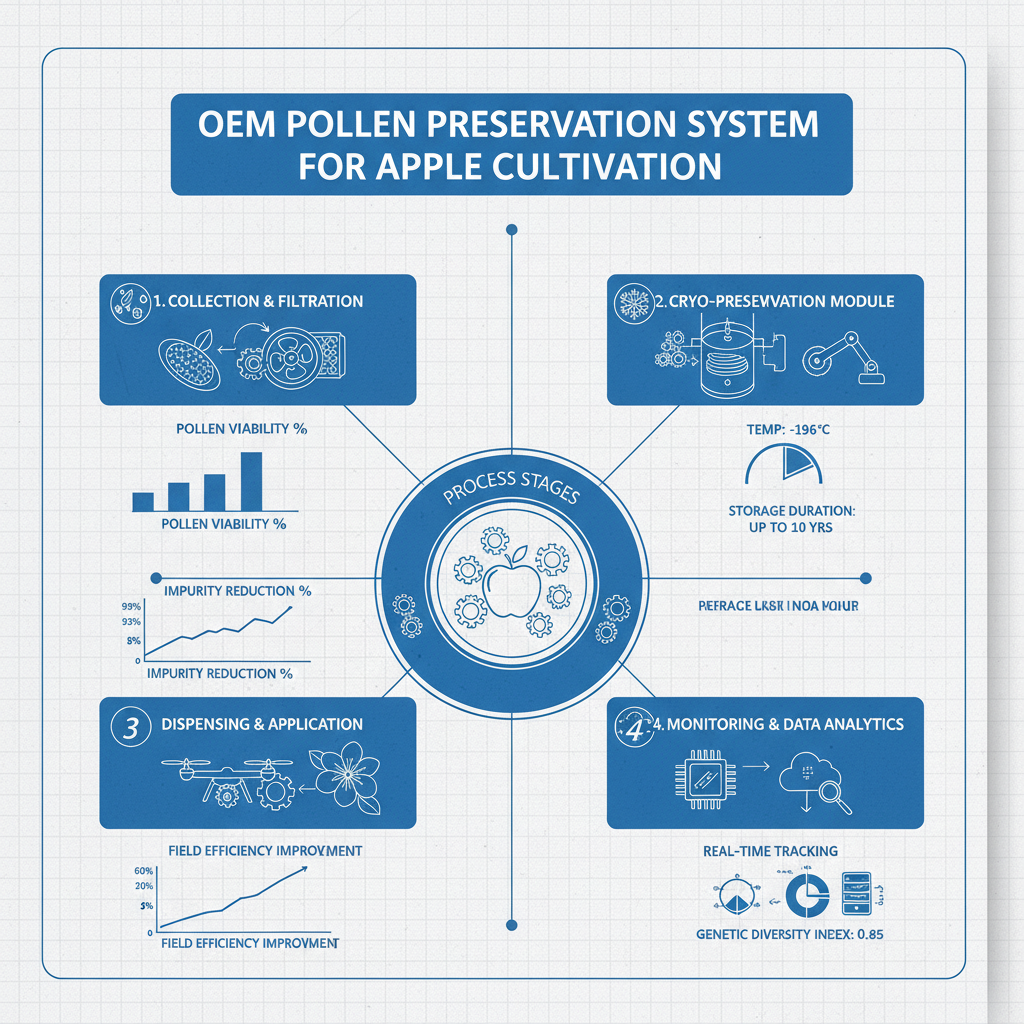
The preservation of apple pollen plays a crucial role in maintaining the genetic heritage of apple varieties worldwide. Apple’s genetic diversity is under constant threat from factors like habitat loss, changing climates, and the preference for a limited number of commercially viable cultivars. This loss jeopardizes the potential for future breeding innovations and the ability to adapt to emerging challenges.
Without robust pollen preservation strategies, we risk losing access to unique traits that may be essential for disease resistance, improved fruit quality, or adaptation to new growing regions. This has significant implications for the sustainability of apple production and the livelihoods of apple growers globally.
FAQS
Under optimal cryopreservation conditions (storage in liquid nitrogen at -196°C), apple pollen can remain viable for decades, potentially exceeding 50 years. However, viability gradually declines over time, and periodic viability testing is crucial to ensure the pollen remains usable. Factors such as the initial pollen quality, cryoprotectant used, and storage consistency all influence longevity.
Different apple varieties exhibit varying levels of pollen tolerance to freezing and thawing. Some varieties naturally possess pollen with thicker exine (outer wall) providing greater protection during cryopreservation. Understanding the specific characteristics of each variety is essential for optimizing preservation protocols, potentially requiring adjustments to cryoprotectant concentrations or freezing rates.
Dimethyl sulfoxide (DMSO) and glycerol are the most commonly used cryoprotectants for apple pollen preservation. These substances reduce ice crystal formation during freezing, protecting pollen cells from damage. The optimal concentration of cryoprotectant varies depending on the apple variety and the specific freezing protocol. Research is also exploring the use of alternative, less toxic cryoprotectants.
Essential equipment includes a liquid nitrogen freezer for long-term storage, a controlled-rate freezer for precise cooling, a cryoprotectant preparation system, microscopes for assessing pollen viability, and appropriate storage containers (cryovials). Sterile techniques and proper safety precautions are vital when handling liquid nitrogen.
Pollen viability is typically assessed using staining techniques, such as Alexander's stain or fluorescein diacetate (FDA). These stains differentiate between live and dead pollen grains based on membrane integrity and enzymatic activity. Viability is then determined by counting the percentage of stained pollen grains under a microscope.
While technically possible, it’s generally not recommended to mix pollen from different varieties during preservation. This can lead to cross-contamination and make it difficult to track the genetic origin of the pollen. Maintaining the purity of each variety’s pollen is crucial for breeding purposes and accurate genetic analysis.
Conclusion
In summary, the preservation of apple pollen is a cornerstone of sustainable apple production, ensuring genetic diversity, safeguarding against environmental challenges, and fostering innovation in breeding programs. It’s a multifaceted practice encompassing botanical expertise, advanced cryopreservation technologies, and diligent quality control. By proactively preserving this vital genetic resource, we secure the future of the apple industry and contribute to global food security.
Investing in research and development, promoting standardized protocols, and fostering collaboration between institutions are essential steps to enhance the effectiveness and accessibility of pollen preservation techniques. Further exploration of automation, sustainable storage solutions, and digital traceability systems will unlock new possibilities for safeguarding the genetic heritage of apples for generations to come. Visit our website: www.jmlpollen.com to learn more.
Related Posts
-
Understanding Pear Tree Pollination Needs and Auxiliary Pollination Strategies
-
How Is China’s Leading Apple Pollen Manufacturer Connecting with International Buyers at Asia Fruit Logistica?
-
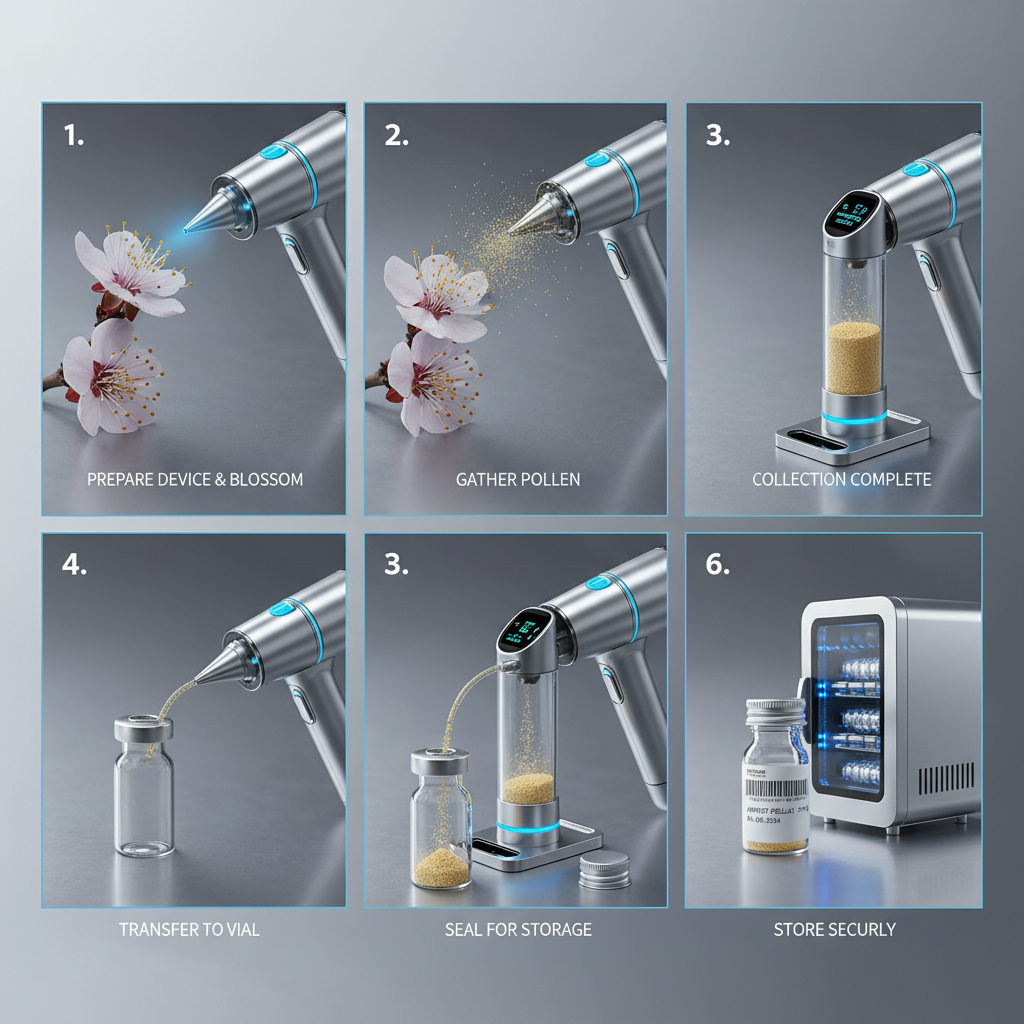
Optimizing Apricot Pollen Collection for Health Sustainability and Economic Growth
-

Navigating the CE Certification Quest for Plum Pollen Ensuring Quality and Market Access

 English
  Afrikaans
  Albanian
  Amharic
  Arabic
  Armenian
  Azerbaijani
  Basque
  Belarusian
  Bengali
  Bosnian
  Bulgarian
  Catalan
  Cebuano
  Corsican
  Croatian
  Czech
Czech  Danish
  Dutch
Dutch  Esperanto
  Estonian
  Finnish
  French
  Frisian
  Galician
  Georgian
  German
  Greek
Greek  Gujarati
  Haitian Creole
  Hausa
Hausa  Hawaiian
  Hebrew
  Hindi
Hindi  Miao
Miao  Hungarian
  Icelandic
  Igbo
Igbo  Indonesian
  Irish
Irish  Italian
  Japanese
  Javanese
  Kannada
  Kazakh
  Khmer
Khmer  Rwandese
  Korean
  Kurdish
  Kyrgyz
  Lao
Lao  Latin
Latin  Latvian
  Lithuanian
  Luxembourgish
  Macedonian
  Malgashi
  Malay
Malay  Malayalam
  Maltese
  Maori
Maori  Marathi
  Mongolian
  Myanmar
  Nepali
  Norwegian
  Norwegian
  Occitan
  Pashto
  Persian
  Polish
  Portuguese
  Punjabi
  Romanian
  Russian
  Samoan
  Scottish Gaelic
  Serbian
  Sesotho
  Shona
Shona  Sindhi
  Sinhala
  Slovak
  Slovenian
  Somali
  Spanish
  Sundanese
  Swahili
  Swedish
  Tagalog
  Tajik
Tajik  Tamil
Tamil  Tatar
Tatar  Telugu
  Thai
Thai  Turkish
  Turkmen
  Ukrainian
  Urdu
Urdu  Uighur
  Uzbek
Uzbek  Vietnamese
  Welsh
Welsh  Bantu
Bantu  Yiddish
  Yoruba
  Zulu
Zulu