Apricot pollen, a finely textured powder produced by the apricot tree (Prunus armeniaca), represents a growing area of interest across diverse sectors. Beyond its biological role in plant reproduction, apricot pollen is gaining recognition for its potential nutritional benefits, medicinal properties, and even applications in allergy immunotherapy. Understanding the intricacies of apricot pollen – from its composition to its processing – is becoming increasingly crucial in a world seeking natural, sustainable, and effective solutions.
The global demand for natural health products and functional foods is steadily increasing, creating a fertile ground for apricot pollen applications. This trend, coupled with growing awareness of the importance of pollinator health and sustainable agriculture, is driving research and innovation around apricot pollen and its derivatives. The potential for value-added products derived from this source is substantial, ranging from dietary supplements to specialized agricultural inputs.
Furthermore, recent advancements in pollen analysis and extraction technologies are unlocking new possibilities for harnessing the full potential of apricot pollen. This includes isolating specific bioactive compounds and developing targeted applications in areas like wound healing, antioxidant therapy, and allergy management. The continued exploration of apricot pollen promises exciting developments in various fields, benefiting both human health and environmental sustainability.

The Significance of Apricot Pollen

Apricot pollen isn’t merely a byproduct of fruit production; it’s a potent natural resource with a growing range of applications. Its significance stems from its rich nutritional profile, containing proteins, amino acids, vitamins, minerals, and antioxidants. The growing interest in natural remedies and preventative healthcare is driving demand for apricot pollen as a dietary supplement and functional food ingredient.
Furthermore, research indicates potential benefits in areas such as immune system support, allergy desensitization, and wound healing. The sustainable harvesting of apricot pollen also aligns with environmentally conscious practices, making it an attractive alternative to synthetic compounds in various industries. This makes apricot pollen a valuable commodity with expanding market potential.
FAQS
Apricot pollen is rich in nutrients, including proteins, vitamins, minerals, and antioxidants. These components contribute to immune system support, increased energy levels, and potentially reduced inflammation. Some studies suggest it may also aid in allergy desensitization, although more research is needed. It’s important to note that individual responses can vary, and it’s always best to consult with a healthcare professional before starting any new supplement regimen.
While apricot pollen is often considered less allergenic than other types of pollen, allergic reactions are still possible. Individuals with known pollen allergies should start with a very small dose and monitor for any adverse reactions, such as itching, hives, or difficulty breathing. It’s recommended to consult an allergist before consuming apricot pollen if you have a history of allergies.
To preserve the quality of apricot pollen, it should be stored in an airtight container in a cool, dark, and dry place. Exposure to light, heat, and moisture can degrade its nutritional value. Refrigeration can further extend its shelf life. Avoid storing it near strong-smelling foods, as it can absorb odors.
The recommended daily dosage of apricot pollen varies depending on individual needs and health goals. However, a typical starting dose is around 500-1000mg per day, divided into multiple doses. It’s crucial to follow the instructions on the product label or consult with a healthcare professional to determine the appropriate dosage for your specific situation.
The quality of apricot pollen is influenced by its geographic origin and growing conditions. Regions with pristine environments and optimal climates for apricot cultivation tend to produce higher-quality pollen. Turkey, Iran, and certain regions of California are known for their apricot production and, consequently, their apricot pollen sources. Look for suppliers that prioritize sustainable harvesting practices.
Yes, apricot pollen is gaining traction in the cosmetics industry due to its antioxidant and anti-inflammatory properties. It's incorporated into skincare products like creams and serums to help protect against free radical damage, soothe irritated skin, and promote a healthy complexion. It may also be found in hair care products to strengthen and nourish hair follicles.
Conclusion
In conclusion, apricot pollen represents a valuable and versatile natural resource with a wide range of applications. From its rich nutritional profile and potential health benefits to its role in sustainable agriculture and emerging cosmetic applications, apricot pollen offers significant advantages across diverse sectors. Understanding its characteristics, quality factors, and future potential is crucial for maximizing its benefits.
As research continues to unravel the complexities of apricot pollen, we can expect to see further innovation and expansion in its utilization. By embracing sustainable harvesting practices and investing in advanced processing technologies, we can unlock the full potential of this remarkable natural ingredient and contribute to a healthier, more sustainable future. To learn more about our high-quality apricot pollen products, visit our website today.
Related Posts
-

Optimizing Autumn Moon Pear Production with Specialized Pear Flower Powder
-
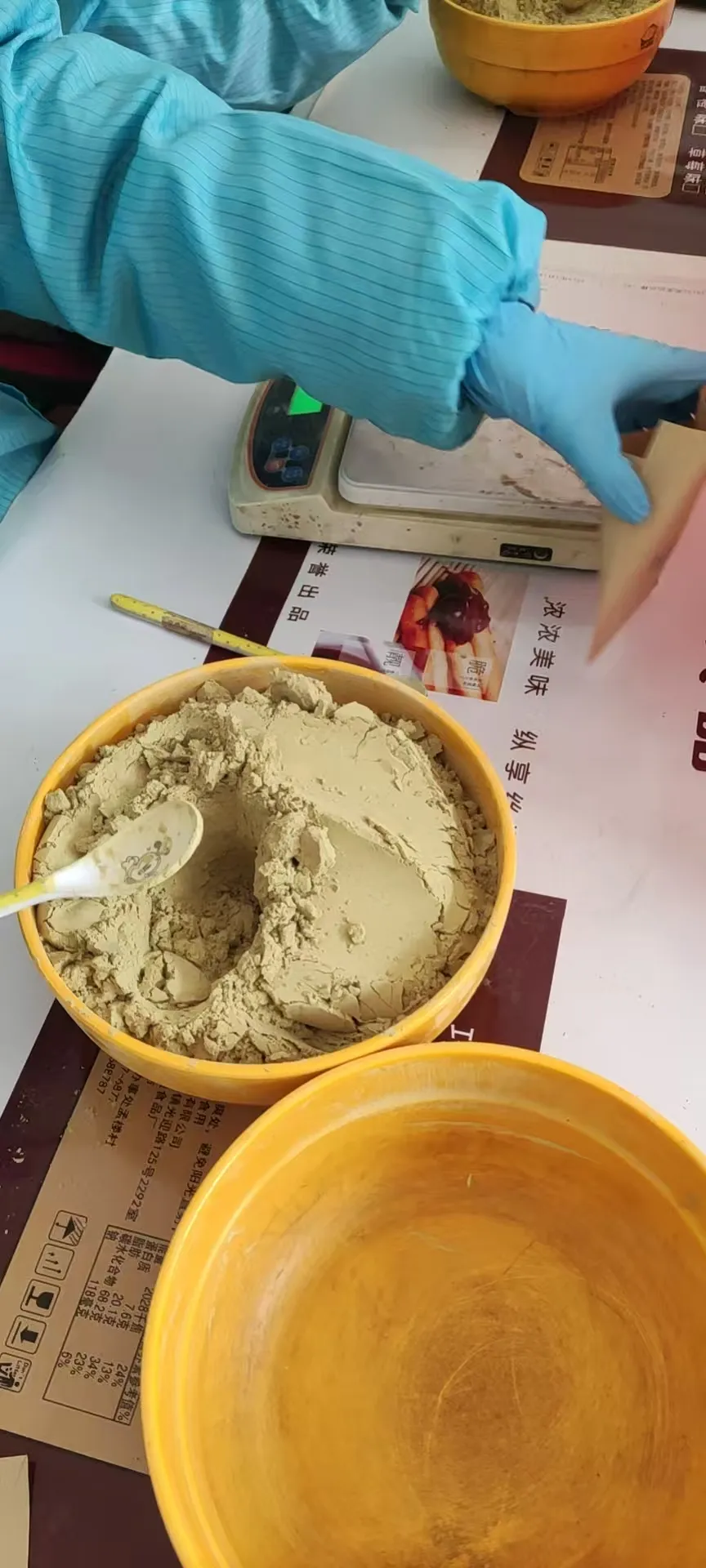
How Is China’s Leading Apple Pollen Manufacturer Connecting with International Buyers at Asia Fruit Logistica?
-
What Makes China Top Fruit Protection Bag Manufacturer Stand Out at Asia Fruit Logistica?
-
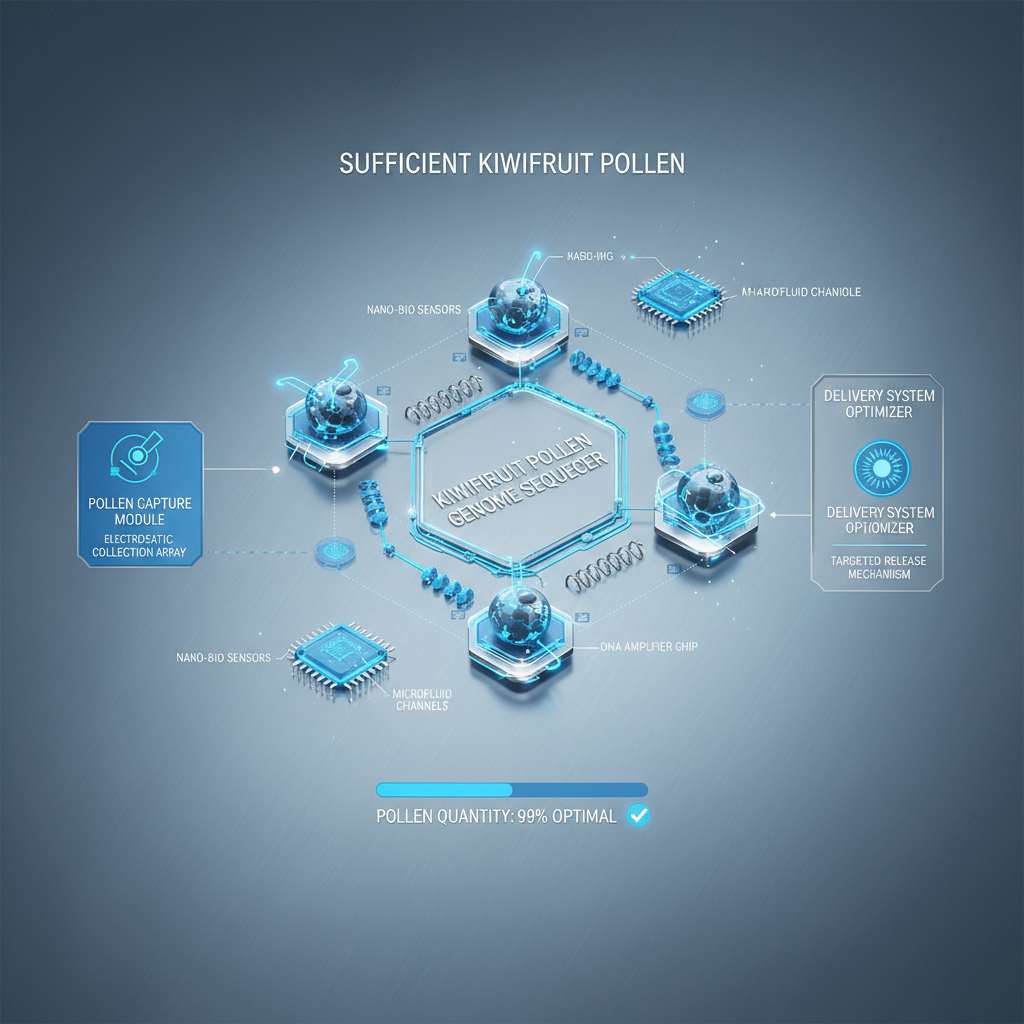
Sufficient Kiwi Pollen – Empowering Botanical Research

 English
  Afrikaans
  Albanian
  Amharic
  Arabic
  Armenian
  Azerbaijani
  Basque
  Belarusian
  Bengali
  Bosnian
  Bulgarian
  Catalan
  Cebuano
  Corsican
  Croatian
  Czech
Czech  Danish
  Dutch
Dutch  Esperanto
  Estonian
  Finnish
  French
  Frisian
  Galician
  Georgian
  German
  Greek
Greek  Gujarati
  Haitian Creole
  Hausa
Hausa  Hawaiian
  Hebrew
  Hindi
Hindi  Miao
Miao  Hungarian
  Icelandic
  Igbo
Igbo  Indonesian
  Irish
Irish  Italian
  Japanese
  Javanese
  Kannada
  Kazakh
  Khmer
Khmer  Rwandese
  Korean
  Kurdish
  Kyrgyz
  Lao
Lao  Latin
Latin  Latvian
  Lithuanian
  Luxembourgish
  Macedonian
  Malgashi
  Malay
Malay  Malayalam
  Maltese
  Maori
Maori  Marathi
  Mongolian
  Myanmar
  Nepali
  Norwegian
  Norwegian
  Occitan
  Pashto
  Persian
  Polish
  Portuguese
  Punjabi
  Romanian
  Russian
  Samoan
  Scottish Gaelic
  Serbian
  Sesotho
  Shona
Shona  Sindhi
  Sinhala
  Slovak
  Slovenian
  Somali
  Spanish
  Sundanese
  Swahili
  Swedish
  Tagalog
  Tajik
Tajik  Tamil
Tamil  Tatar
Tatar  Telugu
  Thai
Thai  Turkish
  Turkmen
  Ukrainian
  Urdu
Urdu  Uighur
  Uzbek
Uzbek  Vietnamese
  Welsh
Welsh  Bantu
Bantu  Yiddish
  Yoruba
  Zulu
Zulu