Mar . 19, 2026 02:15 Back to list
OEM Benefits of Using Apricot Pollen in Orchards for Enhanced Crop Yield
OEM Benefits of Using Apricot Pollen in Orchards
Apricot pollen is gaining recognition as a valuable tool for enhancing orchard health and productivity. For orchard owners and agricultural businesses considering OEM (Original Equipment Manufacturer) sourcing of apricot pollen, understanding the benefits is crucial. This article explores the advantages of incorporating apricot pollen into your orchard management strategies, focusing on its impact on pollination, fruit set, and overall crop yield. We’ll delve into why JML Pollen offers high-quality apricot pollen solutions and how OEM partnerships can streamline your supply chain. Ultimately, using apricot pollen effectively can contribute to a more sustainable and profitable orchard operation.
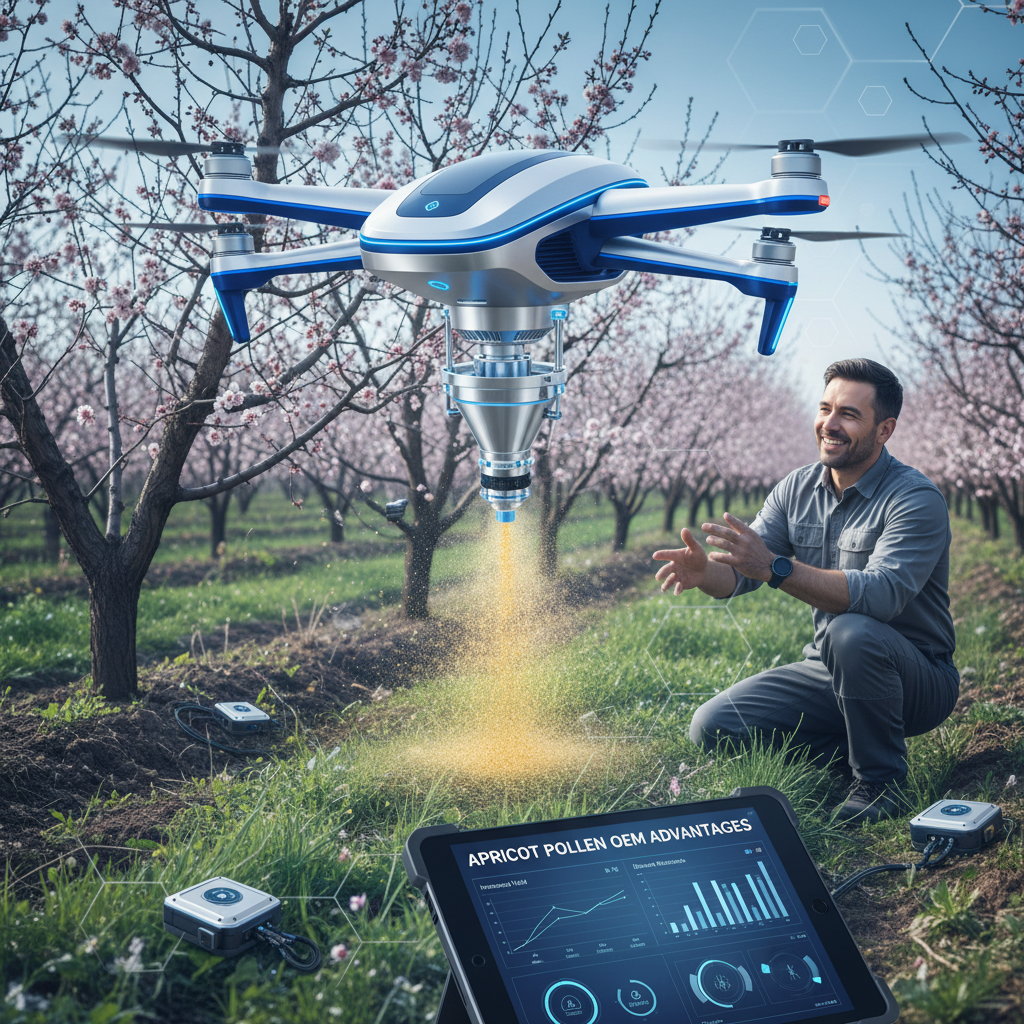
The Science Behind Apricot Pollen's Orchard Benefits
Apricot pollen is a nutrient-rich substance containing proteins, amino acids, vitamins, and minerals essential for plant growth and development. When applied to orchards, it acts as a supplemental pollen source, particularly valuable during periods of insufficient natural pollination – such as adverse weather conditions or a shortage of bee activity. The pollen grains provide a direct boost to pollen tube growth, leading to more successful fertilization and a higher fruit set. Furthermore, the nutritional components stimulate plant metabolism, enhancing overall vigor and resistance to stress. Utilizing apricot pollen in conjunction with traditional pollination methods creates a more robust and reliable pollination system.
Key Highlights: Apricot pollen is packed with proteins, amino acids, and vitamins that directly support pollen tube growth and enhance fruit set. Supplemental application improves orchard resilience to environmental stressors.
Key Benefits of Apricot Pollen for Orchards
The advantages of integrating apricot pollen into your orchard management extend beyond simple pollination support. It can lead to significant improvements in several key areas, including increased fruit size and quality, enhanced crop yield, and reduced reliance on chemical fertilizers. Specifically, the amino acids present in apricot pollen contribute to better fruit development, while the vitamins strengthen plant defenses against disease. OEM sourcing allows for consistent access to this beneficial resource, ensuring optimal orchard health season after season. Investing in quality apricot pollen, such as that offered by JML Pollen, translates directly into higher returns on investment.
Apricot Pollen Benefits:
• Increased Fruit Set & Yield
• Enhanced Fruit Size & Quality
• Improved Plant Resilience
• Reduced Chemical Fertilizer Dependence
OEM Sourcing: Streamlining Your Apricot Pollen Supply
Partnering with an OEM like JML Pollen offers significant advantages for orchard owners. This approach allows for customized pollen formulations tailored to your specific orchard needs – considering fruit variety, climate, and pollination challenges. OEM sourcing ensures a consistent supply of high-quality pollen, avoiding the fluctuations in availability and quality that can occur with other suppliers. Furthermore, it allows for competitive pricing and streamlined logistics, reducing overall operational costs. Establishing a strong OEM relationship fosters long-term collaboration and innovation in orchard management practices.
Applications of Apricot Pollen: Variety-Specific Considerations
The optimal application of apricot pollen can vary based on the specific fruit variety being pollinated. Some varieties may benefit from more frequent applications or higher concentrations than others. For instance, self-incompatible apricot varieties (those requiring cross-pollination) will see a greater benefit from supplemental pollen application than self-compatible varieties. JML Pollen provides expert consultation to help you determine the most effective application strategy for your orchard's unique needs.

Product Specifications & Considerations
When selecting apricot pollen, several key specifications should be considered. Pollen viability (the percentage of live pollen grains) is crucial, as is the level of purity (the absence of contaminants). JML Pollen guarantees high viability and purity through stringent quality control processes. The pollen should also be finely milled for optimal dispersal and adherence to blossoms. Proper storage is essential to maintain viability – pollen should be stored in a cool, dry place, protected from light and moisture.
Conclusion: Elevate Orchard Performance with Apricot Pollen & JML Pollen
Incorporating apricot pollen into your orchard management plan, particularly through an OEM partnership with JML Pollen, is a strategic investment in long-term productivity and profitability. By addressing pollination limitations and enhancing plant health, you can unlock the full potential of your orchard. Contact us today to learn more about how we can tailor a pollen solution to meet your specific needs.
Frequently Asked Questions (FAQs)
What is the recommended application method for apricot pollen?
Apricot pollen can be applied using various methods, including dry application with a duster or by creating a slurry with water and spraying it onto the blossoms. The optimal method depends on your orchard's size, equipment availability, and specific conditions. Dry application is generally preferred for larger orchards, while slurry application may be more suitable for smaller areas or when precise targeting is required. Consult with JML Pollen’s experts for guidance on the best application method for your orchard.
When is the best time to apply apricot pollen?
The most effective time to apply apricot pollen is during the flowering stage, ideally when blossoms are fully open and the stigma is receptive. This timing maximizes the chances of successful pollination. Multiple applications may be necessary, especially during periods of prolonged unfavorable weather conditions. Monitoring blossom development and pollen availability is crucial for determining the optimal application schedule.
Is apricot pollen harmful to bees or other pollinators?
No, apricot pollen is not harmful to bees or other pollinators. In fact, it can provide an additional food source for them, especially during times when natural pollen is scarce. However, it's essential to avoid applying pollen directly onto bees, as this could potentially obstruct their ability to collect pollen. Following recommended application guidelines minimizes any potential impact on pollinators.
What are the benefits of partnering with JML Pollen as an OEM supplier?
Partnering with JML Pollen as an OEM supplier offers numerous advantages, including access to high-quality, rigorously tested apricot pollen, customized formulations tailored to your specific orchard needs, competitive pricing, reliable supply chain management, and expert technical support. We are committed to providing our OEM partners with the resources and expertise they need to achieve optimal orchard health and productivity.
-
High Quality oem pear flower powder suitable for pollination
NewsApr.16,2026
-
Premium Quality OEM Lots of Apple Pollen for Commercial Success
NewsApr.09,2026
-
Understanding OEM Pollen Count Cherry Hill for Effective Allergy Management
NewsApr.07,2026
-
Comprehensive Guide to OEM Grape Protection Bags for Optimal Vineyard Yields
NewsApr.04,2026
-
Optimizing Wellness with OEM Apricot Pollen Dosage A Comprehensive Guide
NewsMar.31,2026
-
OEM Fresh Fruit Bags Enhance Produce Quality and Shelf Life Solutions
NewsMar.28,2026
 Afrikaans
 Albanian
 Amharic
 Arabic
 Armenian
 Azerbaijani
 Basque
 Belarusian
 Bengali
 Bosnian
 Bulgarian
 Catalan
 Cebuano
 Corsican
 Croatian
 Czech
Czech
 Danish
 Dutch
Dutch
 Esperanto
 Estonian
 Finnish
 French
 Frisian
 Galician
 Georgian
 German
 Greek
Greek
 Gujarati
 Haitian Creole
 Hausa
Hausa
 Hawaiian
 Hebrew
 Hindi
Hindi
 Miao
Miao
 Hungarian
 Icelandic
 Igbo
Igbo
 Indonesian
 Irish
Irish
 Italian
 Japanese
 Javanese
 Kannada
 Kazakh
 Khmer
Khmer
 Rwandese
 Korean
 Kurdish
 Kyrgyz
 Lao
Lao
 Latin
Latin
 Latvian
 Lithuanian
 Luxembourgish
 Macedonian
 Malgashi
 Malay
Malay
 Malayalam
 Maltese
 Maori
Maori
 Marathi
 Mongolian
 Myanmar
 Nepali
 Norwegian
 Norwegian
 Occitan
 Pashto
 Persian
 Polish
 Portuguese
 Punjabi
 Romanian
 Russian
 Samoan
 Scottish Gaelic
 Serbian
 Sesotho
 Shona
Shona
 Sindhi
 Sinhala
 Slovak
 Slovenian
 Somali
 Spanish
 Sundanese
 Swahili
 Swedish
 Tagalog
 Tajik
Tajik
 Tamil
Tamil
 Tatar
Tatar
 Telugu
 Thai
Thai
 Turkish
 Turkmen
 Ukrainian
 Urdu
Urdu
 Uighur
 Uzbek
Uzbek
 Vietnamese
 Welsh
Welsh
 Bantu
Bantu
 Yiddish
 Yoruba
 Zulu
Zulu
 English