The precision and efficiency of pear pollination are critical to global fruit production, impacting economies and food security worldwide. A reliable pear pollen collector is therefore essential, offering solutions to declining pollinator populations and ensuring consistent yields. Understanding the technology behind these collectors, their applications, and their future potential is paramount for growers, researchers, and anyone involved in the agricultural sector.
The global pear industry, valued at billions of dollars, relies heavily on effective pollination for optimal fruit set and quality. However, factors like habitat loss, pesticide use, and climate change are posing significant threats to natural pollinators. This challenge has spurred innovation in pollination technologies, with the pear pollen collector emerging as a vital tool. Utilizing these collectors allows for controlled and targeted pollination, mitigating risks and boosting productivity.
Implementing robust pollination strategies, especially through tools like a pear pollen collector, contributes directly to sustainable agriculture and a stable food supply. It addresses not just economic concerns but also environmental ones, minimizing reliance on dwindling natural pollinator populations and fostering a more resilient agricultural ecosystem.
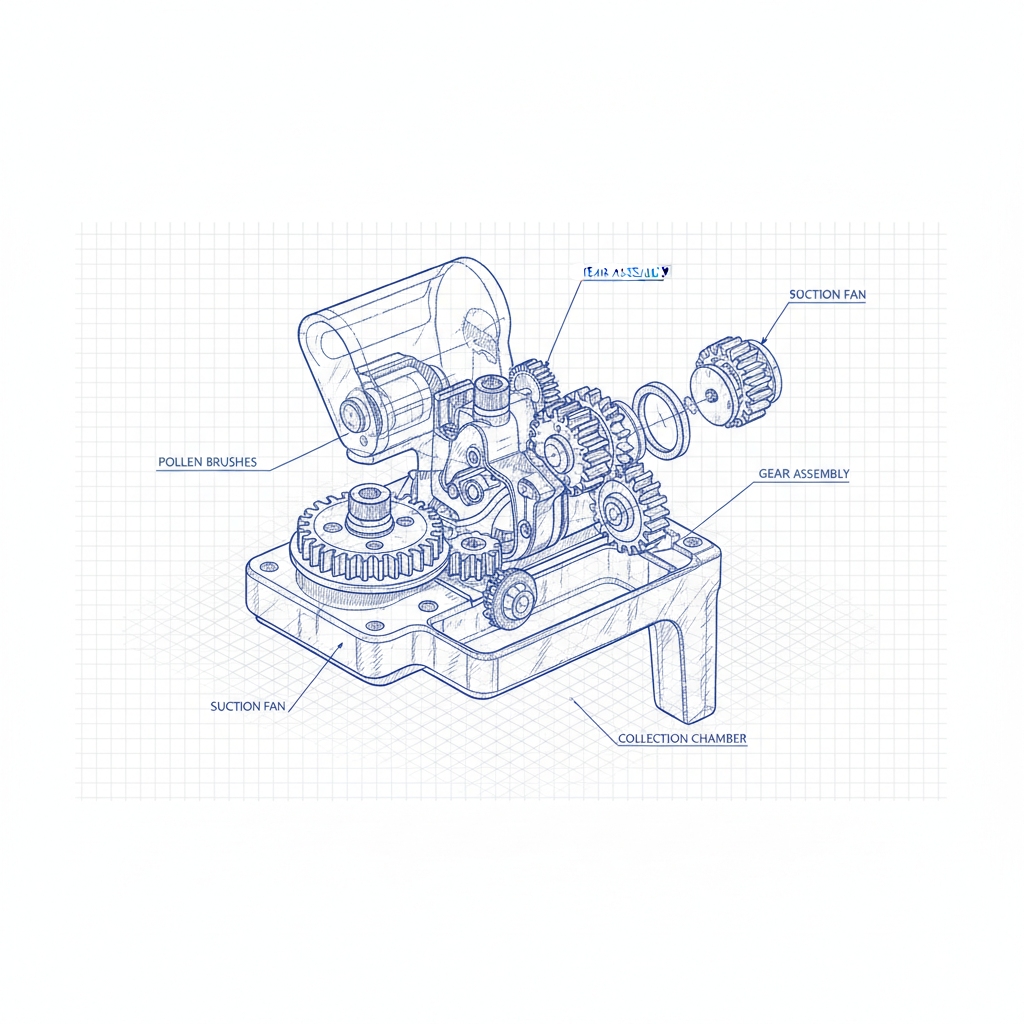
Introduction to Pear Pollen Collectors
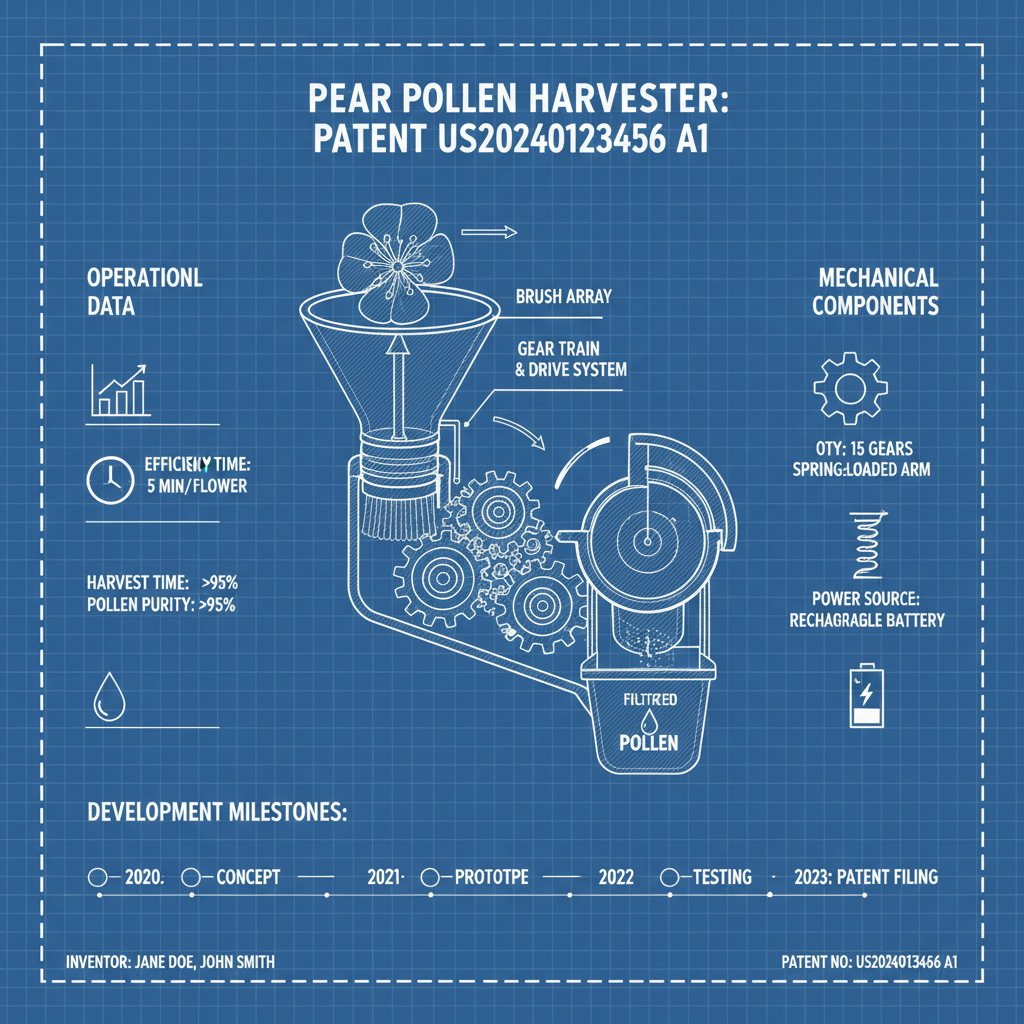
A pear pollen collector isn’t simply a device; it represents a strategic intervention in the face of growing challenges to fruit production. These collectors, ranging from simple brush systems to sophisticated vacuum technologies, provide a reliable alternative or supplement to natural pollination, ensuring consistent fruit set and quality.
The development of effective pear pollen collectors has been driven by the need to address the decline in bee populations and other natural pollinators. This decline, coupled with the increasing demands of a growing global population, necessitates innovative solutions to maintain agricultural productivity. The application of these collectors allows for greater control and predictability in the pollination process.
FAQS
A pear pollen collector provides consistent and reliable pollination, regardless of weather conditions or pollinator availability. Natural pollination can be unpredictable, leading to inconsistent fruit set and yields. Collectors allow for targeted pollen application, optimizing fruit quality and minimizing losses. They also reduce reliance on potentially dwindling natural pollinator populations, promoting sustainable agricultural practices. This predictability is especially valuable in commercial orchards needing consistent harvests.
While the initial investment in a pear pollen collector can be significant, the increased yields and improved fruit quality often outweigh the cost over time. A consistent increase in yield, even by a small percentage, can substantially boost profitability. Furthermore, reducing fruit set failure minimizes waste and maximizes resource utilization, further enhancing the return on investment. A thorough cost-benefit analysis specific to your orchard’s size and conditions is recommended.
Modern pear pollen collector designs prioritize user-friendliness. While some models require basic mechanical aptitude for maintenance, operation is typically straightforward. Training programs are often available from manufacturers or agricultural extension services. Regular cleaning, lubrication, and pollen viability testing are essential for optimal performance. More advanced automated systems may require specialized training for programming and troubleshooting.
Generally, yes, pear pollen collectors can be used for most pear varieties, but it's particularly advantageous for those requiring cross-pollination. Certain varieties have specific pollen compatibility requirements, and collectors ensure adequate transfer of compatible pollen. Self-pollinating varieties may benefit less, but still can experience improved fruit set with assisted pollination. It’s crucial to understand your variety's pollination needs to optimize collector usage.
Proper pollen storage is vital for maintaining viability. Collected pollen should be stored in a cool, dry, and dark environment. Desiccants, like silica gel, can help absorb moisture. Refrigeration or even freezing can extend pollen lifespan, but thawing should be done carefully to avoid condensation. The storage duration depends on the storage method and pollen quality, with regular viability testing recommended to ensure effectiveness.
A pear pollen collector actively supports sustainable agriculture by reducing reliance on external pollinators facing threats from habitat loss and pesticide use. It minimizes the risk of crop failure, promoting resource efficiency and reducing waste. This technology can also align with organic farming practices by offering a natural alternative to relying on potentially harmful pesticides that impact pollinator health. Furthermore, consistent yields contribute to food security.
Conclusion
In conclusion, the pear pollen collector represents a significant advancement in horticultural technology, offering a reliable solution to the challenges of declining pollinator populations and ensuring consistent fruit production. Its benefits extend beyond increased yields, encompassing sustainability, resource efficiency, and enhanced food security. By understanding the key factors in collector design, the diverse applications, and the emerging trends, growers can make informed decisions to optimize their orchard management practices.
Looking ahead, continued innovation in automation, pollen preservation, and data-driven insights will further enhance the effectiveness of pear pollen collector technology. Investing in this technology is not just about improving current yields but also about building a more resilient and sustainable agricultural future. Visit our website at www.jmlpollen.com to learn more about our cutting-edge solutions.
Related Posts
-
Optimizing Apple Orchard Pollination with Effective Pollen Management Strategies
-

Navigating the CE Certification Quest for Plum Pollen Ensuring Quality and Market Access
-
How Is China’s Leading Apple Pollen Manufacturer Connecting with International Buyers at Asia Fruit Logistica?
-
Why Are Global Fruit Growers Choosing China’s High-Quality Pear Pollen Supplier at Fruit Logistica?

 English
  Afrikaans
  Albanian
  Amharic
  Arabic
  Armenian
  Azerbaijani
  Basque
  Belarusian
  Bengali
  Bosnian
  Bulgarian
  Catalan
  Cebuano
  Corsican
  Croatian
  Czech
Czech  Danish
  Dutch
Dutch  Esperanto
  Estonian
  Finnish
  French
  Frisian
  Galician
  Georgian
  German
  Greek
Greek  Gujarati
  Haitian Creole
  Hausa
Hausa  Hawaiian
  Hebrew
  Hindi
Hindi  Miao
Miao  Hungarian
  Icelandic
  Igbo
Igbo  Indonesian
  Irish
Irish  Italian
  Japanese
  Javanese
  Kannada
  Kazakh
  Khmer
Khmer  Rwandese
  Korean
  Kurdish
  Kyrgyz
  Lao
Lao  Latin
Latin  Latvian
  Lithuanian
  Luxembourgish
  Macedonian
  Malgashi
  Malay
Malay  Malayalam
  Maltese
  Maori
Maori  Marathi
  Mongolian
  Myanmar
  Nepali
  Norwegian
  Norwegian
  Occitan
  Pashto
  Persian
  Polish
  Portuguese
  Punjabi
  Romanian
  Russian
  Samoan
  Scottish Gaelic
  Serbian
  Sesotho
  Shona
Shona  Sindhi
  Sinhala
  Slovak
  Slovenian
  Somali
  Spanish
  Sundanese
  Swahili
  Swedish
  Tagalog
  Tajik
Tajik  Tamil
Tamil  Tatar
Tatar  Telugu
  Thai
Thai  Turkish
  Turkmen
  Ukrainian
  Urdu
Urdu  Uighur
  Uzbek
Uzbek  Vietnamese
  Welsh
Welsh  Bantu
Bantu  Yiddish
  Yoruba
  Zulu
Zulu