
Advanced pollen block Solutions for Chilean Agriculture

Optimizing crop yields across South America - Chile with high-purity bio-pollinators and precision processing technology.

Advanced pollen block Solutions for Chilean Agriculture

Integrating industrial-grade processing with biological precision to provide Chile's fruit and seed industry with stable, high-viability plant pollen supplies.

The State of Bio-Pollination Processing in Chile

Analyzing the intersection of Chile's unique geography and agro-industrial needs.

Chile's agricultural landscape, characterized by its diverse climatic zones from the arid north to the humid south, demands highly specialized pollen management. The regional focus on high-value exports, such as cherries and nuts, has created a critical dependency on stable pollination agents to ensure fruit set and quality.

Currently, the industry faces challenges regarding the storage and transport of delicate biological materials. The demand for white pollen has increased as growers seek more consistent purity levels to avoid cross-contamination in organic-certified orchards across the Central Valley.

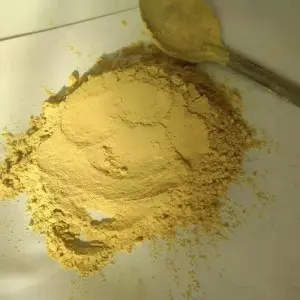
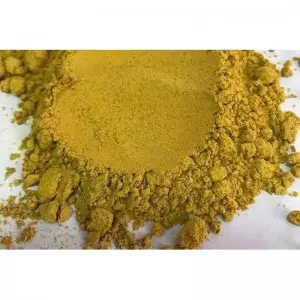
The shift toward industrialization in the "Other Agricultural Processing" sector is evident. There is a growing transition from raw collection to the use of processed white fluffy pollen, which allows for more precise dosage and easier application during the critical flowering windows of Chilean crops.
Evolution and Trajectory of Pollen Processing

From traditional artisanal collection to high-tech industrial stabilization.

Market Development History

In the early 2000s, pollination in Chile relied heavily on natural bee migration and raw, unprocessed materials. The technology was primarily focused on basic drying, which often resulted in low viability rates due to improper temperature control.

By 2010-2015, the introduction of cryogenic freezing and vacuum sealing revolutionized the sector. This allowed for the first commercial iterations of the pollen block, enabling long-term storage and international shipping without compromising the biological integrity of the cells.

From 2018 to the present, the industry has moved toward "Precision Bio-Processing." This involves the use of automated sorting and purity testing, ensuring that materials like white fluffy pollen meet strict pharmaceutical-grade standards for agricultural application.

Future Development Trends

AI-Driven Viability Prediction

The next 3 years will see the integration of AI to predict the optimal application time based on Chile's real-time weather data and pollen germination rates.

Nanoscale Encapsulation

Future trends indicate a shift toward encapsulating plant materials to protect them from UV radiation and dehydration during application in the Atacama and Coquimbo regions.

Sustainable Bio-Sourcing

Driven by Google search trends for "Regenerative Agriculture," the industry is moving toward closed-loop sourcing systems that support local biodiversity while producing industrial quantities.

Industry Outlook and Future Strategic Directions

Driving the next generation of agricultural productivity in South America.

Precision Stabilization
Implementing advanced dehydration and compression to maintain viability over longer logistical chains.
Purity Standardization
Eliminating organic impurities to meet Chile's strict export certifications for seed-free fruit.
Cold Chain Integration
Developing smart-packaging that monitors temperature in real-time from the factory to the field.
Bio-Hybrid Synergy
Combining mechanical pollen application with biological pollinators for maximum fruit set efficiency.

Industry Outlook

The Chilean market is projected to see a significant increase in the adoption of standardized bio-processing. As climate variability affects natural pollinator populations, the industrial reliability of the pollen block becomes a strategic asset for national food security.

Integration with "AgTech 4.0" will likely dominate the next five years. We expect a transition where pollination is no longer a seasonal gamble but a precision-engineered process, utilizing high-purity plant materials to optimize yield consistency across all South American export hubs.

Localized Application Scenarios in Chile

Real-world deployment of processing solutions for varied Chilean climates.

01. Central Valley Almond Orchards

Using high-viability plant pollen to supplement natural pollination during erratic spring weather, ensuring uniform nut size and weight.

02. Southern Berry Production

Deployment of white fluffy pollen in high-humidity regions to prevent fungal contamination while maximizing berry fruit set.

03. Export-Grade Cherry Farms

Applying precision white pollen to maintain genetic purity and high fruit quality for premium Asian export markets.

04. Semi-Arid Seed Production

Utilizing the pollen block format to ensure stability during transport to remote arid regions where local pollinator availability is low.

05. Organic Greenhouse Horticulture

Implementing certified organic bio-pollinators to meet strict EU and US organic import standards for Chilean vegetables.

Brand Story

Global Development Journey of Hebei Jiaming Liang Pollen Co., Ltd.

Foundation and Core Vision

Established with a mission to solve the instability of biological pollination, focusing on the critical need for high-purity agricultural materials.

Technical Breakthroughs

Perfected the compression technology for the pollen block, solving the long-standing industry pain point of biological degradation during storage.

Global Quality Certification

Achieved international standards for agricultural processing, allowing our high-purity products to enter the most demanding markets in South America.

Chilean Market Expansion

Tailored our processing lines to meet the specific climatic needs of Chile, focusing on high-viability materials for the fruit export sector.

Future Sustainability Lead

Leading the shift toward eco-friendly, sustainable bio-processing to ensure the future of global food production and biodiversity.

Chilean Agricultural FAQ

Expert answers regarding the application and processing of biological pollinators.

How does the pollen block maintain viability during shipping to Chile?

Our blocks utilize specialized low-temperature compression and vacuum sealing, preventing oxidative stress and maintaining cellular dormancy until application.

What are the benefits of white fluffy pollen for high-humidity regions?

The processed fluffy form allows for better dispersion and reduced clumping in humid conditions, ensuring an even coat on the stigma of the flower.

Is white pollen suitable for organic export certifications in South America?

Yes, our purity-focused processing removes non-target organic matter, meeting the rigorous standards required for organic certification in Chile and abroad.

How do I apply plant pollen effectively in large-scale orchards?

We recommend a combination of calibrated mechanical blowers and strategic placement of blocks to optimize the distribution across the canopy.

What is the shelf life of a processed pollen block?

When stored at the recommended cryogenic temperatures, our stabilized blocks maintain high viability for multiple seasons.

Can these products help mitigate the decline of local bees in Chile?

Absolutely. By providing a reliable, processed alternative, growers can ensure crop yields even when natural pollinator populations fluctuate.

Ready to Optimize Your Harvest?

Get in touch with our technical experts for customized bio-pollination strategies in Chile.

Contact Us Now

If you are interested in our products, you can choose to leave your information here, and we will be in touch with you shortly.