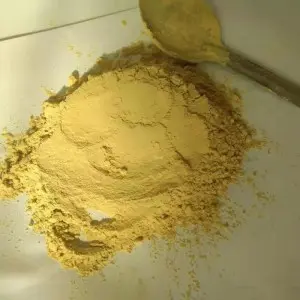
Buy High Quality ce certification plum pollen for pollination
Achieving high fruit set rates in plum orchards often depends on a factor beyond simple irrigation and fertilization: the efficiency of cross-pollination. Many plum varieties exhibit self-incompatibility, meaning they cannot produce viable fruit without pollen from a compatible variety. When natural pollinators are scarce or weather conditions are suboptimal, artificial pollination becomes a critical intervention to secure commercial yields. By introducing high-germination pollen, growers can significantly reduce "fruit drop" and ensure a more uniform harvest.
For professional orchard managers, the focus is not just on any pollen, but on the biological affinity and viability of the grains. High-affinity pollen ensures that the pollen tube grows rapidly through the style to reach the ovary, a process highly sensitive to temperature and humidity. Utilizing specialized plum pollen allows farmers to optimize the productivity of their existing acreage, turning low-yielding blocks into high-performance commercial assets.

The Biological Necessity of Cross-Pollination in Plum Production
The primary challenge in stone fruit cultivation is the genetic requirement for cross-pollination. In plum orchards, the absence of a compatible pollen donor often results in poor fruit setting, regardless of how healthy the tree appears. This is due to self-incompatibility mechanisms that prevent the tree's own pollen from fertilizing its flowers. Artificial pollination bridges this gap by providing a concentrated source of compatible genetic material during the critical flowering window.
Integrating professional pollen application into the orchard management cycle offers several distinct advantages:
- Increased Fruit Set: Direct application ensures a higher percentage of flowers are fertilized.
- Improved Fruit Quality: Better pollination often leads to more symmetrical fruit and higher seed counts, which are linked to overall fruit size and weight.
- Risk Mitigation: Artificial methods provide a safety net against years with low bee activity or unexpected late frosts that disrupt natural pollinator flight.
By focusing on the biological affinity of the pollen, growers can maximize the efficiency of each application. This strategic approach is essential for commercial operations where the difference between a 50% and 80% commercial-grade fruit ratio represents a significant impact on annual revenue.

Technical Standards for High-Germination Pollen Viability
Not all pollen is created equal. The effectiveness of an artificial pollination program depends on two primary metrics: the germination rate and the affinity. Germination rate refers to the percentage of pollen grains capable of growing a tube upon contact with the stigma. For professional-grade plum pollen, a high germination percentage (typically 80% or above) is required to ensure that the labor cost of manual application results in a tangible yield increase.
Affinity is the more complex variable, representing the biological "compatibility" between the pollen donor and the recipient variety. Even pollen with a high germination rate will fail if it lacks the affinity to penetrate the specific variety of plum being grown. This is why selecting pollen from proven, high-affinity sources is paramount for success in the field.
To maintain these standards, rigorous post-harvest handling is required. Pollen is a living biological entity and is highly sensitive to environmental degradation. Proper storage involves maintaining a dormant state through cold chain logistics, typically at -18 ℃ for long-term storage, and a carefully timed activation period at room temperature before application to ensure the grains are active and ready to germinate immediately upon reaching the flower stigma.
Operational Guidelines for Maximizing Pollination Success
The timing and environmental conditions during application are just as important as the quality of the pollen itself. For artificial pollination to be effective, the ambient temperature must ideally fall between 15 ℃ and 25 ℃. If the temperature is too low, the pollen tube grows too slowly, increasing the risk of the flower dropping before fertilization is complete. Conversely, temperatures exceeding 25 ℃ can kill the active pollen grains or evaporate the essential nutrient solution on the flower stigma, rendering the pollination attempt unsuccessful.
Practitioners should follow these critical operational precautions:
- Weather Monitoring: Avoid application during rain. If heavy rain occurs within 5 hours after pollination, a re-application is often necessary as the rain can wash away the pollen grains.
- Moisture Control: Pollen must be kept in dry, sealed packaging. Any signs of moisture or clumping usually indicate a loss of biological activity, and such pollen should not be used.
- Activation Timing: For pollen stored in freezers, it must be brought to room temperature approximately 12 hours before use to transition from a dormant to an active state.
These meticulous steps ensure that the biological potential of the pollen is fully realized, resulting in the high-quality commercial fruit that orchard owners strive for during the harvest season.
Pollen Application and Performance Metrics
| Evaluation Factor | Natural Pollination | Artificial Pollination | Impact on Yield |
|---|---|---|---|
| Commercial Fruit Ratio | Approx. 50% | Up to 80% | Significant Increase |
| Total Fruit Yield | Baseline | +35% Improvement | High Volume Gain |
| Pollination Reliability | Weather Dependent | Controlled/Predictable | Reduced Risk |
| Germination Control | Unpredictable | Verified (>80%) | Consistent Setting |
| Labor Requirement | Low | Medium to High | Cost-Benefit Positive |
Selecting the Right Pollen Supplier for Commercial Orchards
When sourcing pollen for pollination, commercial growers must evaluate the supplier's integrated capabilities. A reliable partner is not merely a distributor but a producer with a controlled collection base. The ability to manage the entire chain—from the cultivation of donor trees in optimal soil conditions to the use of professional germination detection equipment—ensures that the product delivered to the farm is biologically viable.
Key criteria for supplier evaluation include:
- Collection Infrastructure: Do they have dedicated bases and professional anther selection equipment to avoid contamination?
- Technical Support: Can the supplier recommend the best pollen variety based on the specific plum varieties planted in your orchard?
- Cold Chain Integrity: Does the supplier provide guidance on storage and transportation to prevent premature activation or death of the pollen grains?
Working with a specialist who understands the nuances of fruit tree management allows farmers to shift from a "guessing game" to a precision agriculture model. This professionalization of the pollination process is what separates high-yield commercial orchards from hobbyist farms.
Future Trends in Precision Pollination and Fruit Management
The agricultural industry is moving toward a model of "precision fertilization and pollination." As climate volatility increases, the reliance on natural pollinators becomes a liability. The trend is shifting toward the integration of high-affinity artificial pollen combined with smart monitoring of flowering windows. This allows growers to apply the exact amount of pollen required at the precise moment of peak stigma receptivity.
Furthermore, the development of specific pollen strains with broader compatibility is a major area of research. By improving the affinity of donor varieties, the industry can simplify the management of large-scale orchards. For the modern grower, investing in ce certification plum pollen for pollination represents a move toward standardization and quality assurance, ensuring that the output meets the strict requirements of international export markets.
Ultimately, the goal is to create a stable, predictable production cycle. By combining the best available biological materials with strict operational protocols, orchards can achieve a level of consistency that was previously impossible, ensuring stable returns and sustainable growth for fruit farmers globally.
Frequently Asked Questions About Plum Pollination
Why is artificial pollination necessary for some plum varieties?
Many plum varieties are self-incompatible, meaning they cannot be fertilized by their own pollen. Without a compatible cross-pollinator variety nearby or the artificial application of compatible pollen, these trees will produce very few fruits, regardless of their overall health.
How does the germination rate affect my harvest?
The germination rate is the percentage of pollen grains that can actually grow a tube to fertilize the ovary. A low germination rate means most of your application effort is wasted, leading to lower fruit set and a higher percentage of discarded, low-quality fruit.
What is the best temperature for applying pollen?
The ideal temperature range is between 15 ℃ and 25 ℃. Below 15 ℃, the biological process is too slow; above 25 ℃, the pollen may lose viability or the stigma may dry out, both of which prevent successful fertilization.
How should I store pollen if I cannot use it immediately?
For short-term use (up to 3 days), cold storage is sufficient. For longer periods, pollen must be kept in a freezer at -18 ℃ to maintain dormancy. It should be moved to room temperature 12 hours before application to reactivate the grains.
What happens if it rains shortly after I pollinate my trees?
Rain can wash the pollen grains off the stigma. If significant rainfall occurs within 5 hours of application, it is highly recommended to re-pollinate the affected areas to ensure a successful fruit set.
Can any plum pollen be used for any plum variety?
No, pollination depends on "affinity." Only pollen from compatible varieties will work. It is essential to consult with a technical expert to match the correct pollen donor variety with the specific cultivars in your orchard.
Technical References and Further Reading
- FAO Agricultural Production and Management Guidelines
- American Phytopathological Society - Fruit Tree Health
- Research on Prunus species and Self-Incompatibility Mechanisms
- USDA Agricultural Research Service - Pollination Studies
For professional assistance in selecting the correct pollen variety for your orchard or to request a technical consultation on artificial pollination protocols, contact our agricultural specialists today.
Related Technical Resources