Sep . 19, 2025 10:30 Back to list
Pollen Peach Tree for Pure Pollination & High Yields
Introduction to Advanced Pollination Solutions
In the intricate ecosystem of commercial fruit farming, successful pollination is the cornerstone of high yield and quality produce. Peach cultivation, in particular, faces increasing challenges from unpredictable weather patterns, declining natural pollinator populations, and the need for optimized agricultural practices. Addressing these critical issues, engineered pollination solutions provide a robust alternative. Among these, high-quality pollen peach tree powder emerges as a pivotal advancement, ensuring consistent fruit set and maximizing economic returns for growers.
This technical deep dive explores the sophisticated manufacturing, application, and benefits of PEACH FLOWER POWDER SUITABLE FOR PEACH POLLINATION. We aim to provide B2B decision-makers and agricultural engineers with comprehensive insights into its efficacy, technical specifications, and strategic role in modern peach orcharding, aligning with the principles of efficient and sustainable agriculture.
Manufacturing Process Flow for Pollen Peach Tree Powder
The production of premium pollen peach tree powder involves a meticulously controlled, multi-stage process designed to preserve viability and ensure optimal performance. This sophisticated manufacturing chain guarantees a consistent, high-quality product for commercial applications.
Process Steps:
- Raw Material Sourcing and Collection: Pollen is harvested from carefully selected, healthy peach varieties during the early stages of anthesis. Collection is often manual or semi-automated, targeting flowers just before full dehiscence to capture peak viability. Material purity is critical; only disease-free and genetically suitable sources are used.
- Anther Separation and Dehiscence: Collected flowers or anthers are gently separated and subjected to controlled environmental conditions (temperature, humidity) to induce anther dehiscence, releasing the pollen grains. This process is monitored to prevent premature degradation.
- Drying and Moisture Content Control: Freshly released pollen contains high moisture, which compromises viability. Specialized low-temperature, low-humidity drying techniques are employed to reduce moisture content to an optimal level (typically 5-8%). This prevents fungal growth and extends shelf life without damaging the delicate pollen structure.
- Purification and Sieving: Dried pollen undergoes a multi-stage sieving process to remove impurities such as anther fragments, dust, and other inert materials. Electrostatic separation techniques may also be used to enhance the purity of the peach pollen, ensuring a clean product suitable for precise application. This meticulous purification is crucial for achieving high pure pollination rates.
- Viability Testing and Quality Assurance: Every batch is rigorously tested for pollen viability (germination rate) and purity. Standardized laboratory tests, often following ISO 22000 (Food Safety Management) principles adapted for agricultural inputs, ensure the product meets stringent performance criteria. Key parameters include germination percentage, moisture content, and pathogen absence.
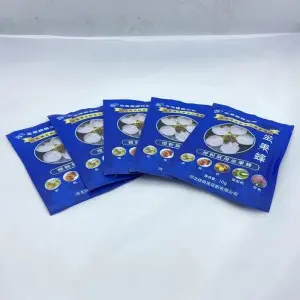
- Storage and Packaging: The final product is hermetically sealed in specialized packaging under controlled atmospheric conditions (e.g., nitrogen flushing) and stored at low temperatures (-18°C to -25°C) to maintain viability for extended periods. This extends the effective service life, typically 12-24 months when stored correctly.
Target industries for this high-quality `pollen peach tree` powder primarily include commercial peach orchards, agricultural research institutions, and large-scale fruit growers requiring reliable pollination solutions. Advantages in typical application scenarios include enhanced fruit set uniformity, increased fruit size, and improved sugar content, leading to higher market value and reduced crop failure risks.
Industry Trends in Orchard Pollination
The global agricultural landscape is witnessing significant shifts driven by climate change, biodiversity loss, and the demand for increased food production. For peach orchards, these trends underscore the critical need for reliable pollination strategies.
- Declining Natural Pollinators: Global bee populations are under threat from pesticides, habitat loss, and disease. This necessitates supplementary or artificial pollination to secure yields, making concentrated peach pollen formulations increasingly vital.
- Precision Agriculture: The move towards data-driven farming emphasizes targeted interventions. Artificial pollination with measured doses of pollen peach tree powder allows for optimized application, reducing waste and maximizing efficiency.
- Climate Volatility: Unpredictable weather events (late frosts, excessive rain during bloom) can severely limit natural pollinator activity. Manual or mechanical application of peach flower powder offers a critical hedge against these risks, ensuring pollination even under adverse conditions.
- Genetically Diverse Orchards: Modern peach varieties often require specific cross-pollination. Using a known, viable source of peach pollen ensures genetic compatibility and effective fertilization, leading to better fruit development.
These trends highlight the growing imperative for controlled, effective, and reliable pollination solutions that can guarantee orchard productivity and fruit quality, regardless of environmental challenges. High-quality pollen peach tree powder directly addresses these needs.
Technical Specifications of PEACH FLOWER POWDER
Understanding the precise technical parameters of PEACH FLOWER POWDER SUITABLE FOR PEACH POLLINATION is crucial for its effective deployment. Our product adheres to rigorous quality control standards, ensuring maximum efficacy and reliability in the field.
Product Specification Table
| Parameter | Specification | Standard (Reference) |
|---|---|---|
| Product Name | PEACH FLOWER POWDER SUITABLE FOR PEACH POLLINATION | Internal QA/QC |
| Pollen Viability (Germination Rate) | >80% (initial), >60% (after 12 months at -18°C) | ISTA (International Seed Testing Association) protocols adapted for pollen |
| Moisture Content | 5% - 8% (w/w) | AOAC 925.09 (Loss on Drying) |
| Purity | >99% (free from foreign pollen, anther fragments, or inert matter) | Microscopic Analysis, ISO 22000 (adapted) |
| Particle Size Distribution | 25-50 µm (typical for peach pollen) | Laser Diffraction Particle Sizing |
| Storage Temperature | -18°C to -25°C | ISTA/Internal Protocol for Long-Term Storage |
| Recommended Dilution Ratio (for application) | 1:5 to 1:10 with inert diluent (e.g., flour, talc) depending on application method | Field Trial Data / Agronomic Recommendations |
These specifications are crucial for ensuring the efficacy of the pollen peach tree powder. The high viability ensures maximum fertilization success, while controlled moisture and purity guarantee optimal storage stability and application performance. Our adherence to stringent standards underscores our commitment to providing a reliable product for pure pollination.
Application Scenarios for Peach Flower Powder
The versatility of PEACH FLOWER POWDER allows for its application across various orchard management strategies, providing targeted solutions for diverse needs.
- Supplementary Pollination: When natural pollinator activity is low due to adverse weather (cold, rain, wind) or insufficient bee populations, manual or mechanical application of pollen peach tree powder ensures adequate fruit set. This is particularly critical in early spring blooms.
- Cross-Pollination for Self-Incompatible Varieties: Many desirable peach varieties are partially or fully self-incompatible, requiring pollen from a different cultivar. Our product facilitates controlled cross-pollination, especially in monoculture orchards or where compatible pollinizer trees are scarce.
- Orchards with Young Trees: Newly planted orchards may not attract sufficient natural pollinators. Applying peach pollen powder in these settings can accelerate initial fruit production and establish healthier tree development.
- Precision Pollination for High-Value Crops: For premium peach varieties where consistent size, shape, and sugar content are paramount, precision application ensures optimal fruit development, translating to higher market prices.
- Research and Development: Agricultural research institutes utilize standardized pollen peach tree powder for controlled breeding programs, genetic studies, and evaluating new cultivar performance under controlled pollination conditions.
Application methods vary from manual techniques (e.g., pollen dusters, brush application) to more sophisticated mechanical options, including air blast sprayers or drone-based dispensers, often with a suitable inert diluent to ensure even distribution and maximize the impact of the pure pollination effort.
Technical Advantages of Our Peach Pollen Product
Our PEACH FLOWER POWDER SUITABLE FOR PEACH POLLINATION offers distinct technical advantages that set it apart as a superior choice for commercial growers seeking efficiency and yield security.
- Guaranteed High Viability: Through stringent collection, processing, and storage protocols, our peach pollen consistently exhibits a high germination rate, ensuring effective fertilization and fruit set. This minimizes risks associated with unreliable natural pollination.
- Enhanced Fruit Set and Yield Uniformity: Targeted application allows for a more consistent distribution of pollen, leading to a higher percentage of flowers setting fruit and more uniform fruit development across the orchard, which is critical for efficient harvesting and market grading.
- Optimized Fruit Quality: Effective pure pollination results in fully developed seeds within the fruit, which often correlates with larger fruit size, better shape, and higher sugar content (Brix levels), directly impacting market value.
- Extended Shelf Life: Our advanced drying and cryopreservation techniques ensure a long shelf life (up to 24 months when stored correctly) without significant loss of viability, providing growers with flexibility in planning and inventory management.
- Purity and Disease-Free Assurance: Rigorous purification and testing eliminate foreign matter and pathogens, reducing the risk of disease transmission or contamination in the orchard.
- Compatibility with Various Application Systems: Our finely milled pollen peach tree powder is designed for compatibility with a range of manual and mechanical applicators, from simple hand dusters to sophisticated automated systems, offering operational flexibility.
These advantages collectively contribute to a stronger return on investment for peach growers, ensuring crop resilience and sustained productivity in an increasingly challenging agricultural environment.
Vendor Comparison: Pollen Peach Tree Solutions
When evaluating artificial pollination solutions, growers must consider key factors such as pollen viability, purity, shelf life, and ease of application. Below is a comparison demonstrating the competitive edge of our PEACH FLOWER POWDER.
Comparison Table: Pollen Product Attributes
| Feature/Vendor | Our PEACH FLOWER POWDER (JML Pollen) | Competitor A (Standard Pollen) | Competitor B (Basic Pollen) |
|---|---|---|---|
| Initial Pollen Viability | >80% | 65-75% | <60% |
| Purity (Freedom from Inert Material) | >99% | >95% | <90% |
| Guaranteed Shelf Life (-18°C) | 18-24 Months | 12-18 Months | 6-12 Months |
| Consistency of Particle Size | Excellent (uniform for precise application) | Good | Variable |
| Quality Control & Certification | ISO 22000 aligned processes, Internal QA/QC | Basic QA | Limited/None |
| Compatibility with Automated Systems | High (fine, uniform powder) | Moderate | Low |
This comparison highlights our commitment to delivering superior quality and performance for peach pollen, ensuring growers receive the most effective solution for their pure pollination needs. The controlled manufacturing process and rigorous testing differentiate our pollen peach tree product from standard market offerings.
Customized Solutions
Recognizing that each orchard presents unique challenges, we offer customized solutions for our PEACH FLOWER POWDER. This flexibility ensures that our pollen peach tree product integrates seamlessly into diverse agricultural operations.
- Specific Cultivar Pollen: We can provide pollen from specific peach cultivars to match the precise cross-pollination requirements of an orchard, optimizing genetic compatibility and fruit set for niche or proprietary varieties.
- Tailored Packaging: From small experimental batches for R&D to large bulk quantities for extensive commercial orchards, we offer flexible packaging options to meet operational scale and storage capabilities.
- Diluent Recommendations: While our pollen is pure, we can advise on or provide specific inert diluents (e.g., lycopodium powder, cornstarch, talc) and optimal mixing ratios tailored to the customer's chosen application equipment (e.g., hand duster, air blast sprayer, drone).
- Consultative Support: Our team of agricultural experts can provide guidance on application timing, density, and methods based on local climate, orchard layout, and specific peach variety characteristics, ensuring maximum efficacy of pure pollination.
These customized solutions underscore our commitment to partnership, helping growers achieve their specific yield and quality objectives with our advanced peach pollen product.
Application Case Studies
Real-world application demonstrates the tangible benefits of utilizing PEACH FLOWER POWDER for optimized pollination outcomes.
Case Study 1: Mitigating Frost Damage in a Georgia Orchard
A commercial peach orchard in Georgia faced a severe late-spring frost during bloom, resulting in significant loss of viable flowers and reduced bee activity. Prior to the frost, 20 hectares were designated for natural pollination, and 10 hectares were pre-emptively treated with our pollen peach tree powder using a mechanical duster. Post-frost analysis showed a stark difference:
- Control Group (Natural Pollination): <20% fruit set, significant yield reduction.
- Treated Group (Peach Flower Powder): >55% fruit set, with observable consistency in fruit size and quality, enabling the orchard to salvage a commercially viable harvest from the treated section. This demonstrated the product's effectiveness as an insurance policy against adverse climatic conditions for pure pollination.
Case Study 2: Improving Yield in a Self-Incompatible Variety in California
A large-scale grower in California cultivating a high-value, self-incompatible peach cultivar struggled with inconsistent fruit set despite maintaining bee colonies. The issue was traced to insufficient cross-pollination. We provided a specific cultivar of peach pollen powder. Applying it via drone-assisted precision dusting:
- Result: A 30% increase in total yield per hectare and a significant improvement in fruit uniformity, directly leading to a higher percentage of premium-grade peaches and a substantial increase in revenue for the grower. This highlights the precision advantage of engineered pure pollination.
Frequently Asked Questions (FAQ)
- Q: What is the optimal application window for peach pollen powder?
- A: The ideal window is during the peak bloom period, typically when 20-80% of flowers are open. Application should be done during dry, calm conditions to maximize pollen adhesion and viability. Multiple applications may be beneficial, especially if conditions are sub-optimal.
- Q: How should the pollen be stored to maintain viability?
- A: Our PEACH FLOWER POWDER should be stored frozen at -18°C to -25°C in its original, sealed packaging. Once opened or thawed, it should be used promptly. Avoid repeated freezing and thawing.
- Q: Can this product replace natural bee pollination entirely?
- A: While highly effective, our pollen peach tree powder is primarily designed for supplementary or targeted pollination. It significantly mitigates risks from insufficient natural pollination but works best as part of an integrated pollination management strategy that may still include natural pollinators.
- Q: What is the recommended dilution ratio for application?
- A: For most mechanical applications, a dilution ratio of 1:5 to 1:10 (pollen:diluent) is recommended. The exact ratio can be optimized based on the specific applicator, orchard density, and desired pollen load per flower. We offer detailed guidance on this.
Lead Time, Warranty, and Customer Support
Lead Time & Fulfillment
Standard orders for PEACH FLOWER POWDER typically have a lead time of 7-14 business days, depending on order volume and specific customization requirements. Expedited shipping options are available for urgent needs. All shipments are handled with specialized temperature-controlled packaging to maintain product integrity during transit.
Warranty Commitments
We stand by the quality of our pollen peach tree powder. Each batch is guaranteed for a minimum viability rate of >60% for up to 12 months from the date of shipment, provided the product is stored according to our specified cryopreservation guidelines. Any discrepancies in quality will be addressed promptly, with replacement or credit options available.
Dedicated Customer Support
Our technical support team comprises experienced agronomists and pollination specialists ready to assist with product selection, application best practices, troubleshooting, and post-application analysis. We offer comprehensive support to ensure optimal results from your investment in pure pollination solutions. Contact us via phone, email, or our online portal for expert guidance.
Conclusion
In an era where agricultural resilience and efficiency are paramount, the strategic adoption of advanced pollination solutions like PEACH FLOWER POWDER SUITABLE FOR PEACH POLLINATION is no longer an option but a necessity. Our meticulously produced pollen peach tree powder offers unmatched viability, purity, and versatility, empowering peach growers to overcome environmental uncertainties and achieve consistent, high-quality yields. By investing in our proven technology and dedicated support, partners can secure their harvest, enhance fruit quality, and optimize economic returns, ensuring sustainable success in peach cultivation.
References
- Kearns, C.A., & Inouye, D.W. (1993). Techniques for Pollination Studies. Colorado Associated University Press.
- Delaplane, K.S., & Mayer, D.F. (2000). Crop Pollination by Bees. CABI Publishing.
- National Institute of Food and Agriculture (NIFA), USDA. Publications on Pollination Management.
- International Seed Testing Association (ISTA) Handbooks.
- Agricultural & Environmental Sciences, University of California, Davis. Research on Peach Pollination.
-
OEM Plum Pollen Quest Exploring Global Sourcing and Quality Solutions
NewsJan.28,2026
-
OEM Pear Pollen Do Sourcing Benefits and Applications for Enhanced Products
NewsJan.27,2026
-
Discover High Quality Cheap Plum Pollen For Enhanced Wellness
NewsJan.27,2026
-
OEM Fruit Tree Netting Bags – Durable, Custom, and Trusted by Growers
NewsJan.06,2026
-
OEM Apricot Pollen on Trees – Quality Insights & Vendor Comparison
NewsJan.06,2026
-
OEM Pear Flower Powder for Pollination | Enhance Your Pear Garden Yield
NewsJan.06,2026
 Afrikaans
 Albanian
 Amharic
 Arabic
 Armenian
 Azerbaijani
 Basque
 Belarusian
 Bengali
 Bosnian
 Bulgarian
 Catalan
 Cebuano
 Corsican
 Croatian
 Czech
Czech
 Danish
 Dutch
Dutch
 Esperanto
 Estonian
 Finnish
 French
 Frisian
 Galician
 Georgian
 German
 Greek
Greek
 Gujarati
 Haitian Creole
 Hausa
Hausa
 Hawaiian
 Hebrew
 Hindi
Hindi
 Miao
Miao
 Hungarian
 Icelandic
 Igbo
Igbo
 Indonesian
 Irish
Irish
 Italian
 Japanese
 Javanese
 Kannada
 Kazakh
 Khmer
Khmer
 Rwandese
 Korean
 Kurdish
 Kyrgyz
 Lao
Lao
 Latin
Latin
 Latvian
 Lithuanian
 Luxembourgish
 Macedonian
 Malgashi
 Malay
Malay
 Malayalam
 Maltese
 Maori
Maori
 Marathi
 Mongolian
 Myanmar
 Nepali
 Norwegian
 Norwegian
 Occitan
 Pashto
 Persian
 Polish
 Portuguese
 Punjabi
 Romanian
 Russian
 Samoan
 Scottish Gaelic
 Serbian
 Sesotho
 Shona
Shona
 Sindhi
 Sinhala
 Slovak
 Slovenian
 Somali
 Spanish
 Sundanese
 Swahili
 Swedish
 Tagalog
 Tajik
Tajik
 Tamil
Tamil
 Tatar
Tatar
 Telugu
 Thai
Thai
 Turkish
 Turkmen
 Ukrainian
 Urdu
Urdu
 Uighur
 Uzbek
Uzbek
 Vietnamese
 Welsh
Welsh
 Bantu
Bantu
 Yiddish
 Yoruba
 Zulu
Zulu
 English