Pear flower powder with high germination rate represents a significant advancement in horticultural practices, offering a superior solution for fruit set and yield enhancement. Globally, the demand for high-quality fruit production is consistently rising, driven by population growth and increasing consumer awareness of nutritional benefits. This demand creates a critical need for reliable pollination strategies, especially in regions facing declining pollinator populations or unfavorable climatic conditions. pear flower powder with high germination rate addresses this challenge by providing a consistent and controllable pollination source.
The escalating concerns surrounding bee colony collapse disorder (CCD) and the broader impact of pesticide use on pollinator health are key drivers for adopting alternative pollination methods. According to the UN’s Food and Agriculture Organization (FAO), approximately 75% of the world’s food crops rely, at least in part, on animal pollination. The decline in pollinator services presents a substantial risk to global food security. Therefore, innovation in pollination technology, like specialized pollen powders, becomes not just desirable but essential.
Successfully implementing pear flower powder with high germination rate can mitigate these risks, ensuring consistent fruit set even in challenging environments. This contributes directly to enhanced agricultural productivity, economic stability for growers, and a more secure food supply for a growing global population. The precision offered by this technique also allows for targeted pollination, optimizing resource allocation and minimizing waste.

Introduction: Global Context

The global agricultural landscape is undergoing significant transformation, with increasing pressure to maximize yields while minimizing environmental impact. Pear flower powder with high germination rate directly contributes to this goal by offering a reliable and efficient method for ensuring successful pollination, especially crucial for pear orchards and other fruit-bearing trees. Its consistent performance bypasses the uncertainties associated with natural pollination, particularly in regions affected by climate change or pollinator decline.
The adoption of this technology isn't limited to large-scale commercial operations. Smallholder farmers in developing countries also stand to benefit immensely, potentially improving their livelihoods and contributing to local food security. The controlled nature of the process reduces the risk of crop failure due to inadequate pollination, leading to more predictable harvests and income streams.
FAQS
To maximize longevity, pear flower powder with high germination rate should be stored in a cool, dry, and dark environment. Temperatures below 4°C (39°F) are ideal, and the powder should be sealed in airtight containers to prevent moisture absorption. Exposure to light and oxygen can significantly reduce viability, so proper packaging is crucial. Expect a reduction in germination rates after prolonged storage, even under optimal conditions.
While hand pollination is relatively inexpensive in terms of material costs, it is extremely labor-intensive. pear flower powder with high germination rate, especially when applied using mechanized methods like electrostatic spraying or drones, significantly reduces labor costs, particularly for large orchards. Although the initial investment in the powder and application equipment is higher, the long-term savings in labor often make it a more cost-effective solution.
Pear flower powder with high germination rate is generally considered safe for the environment when used as directed. It's a natural product derived from pollen and doesn't contain harmful chemicals. However, it's important to avoid drift during application to minimize potential impacts on non-target species. It doesn’t pose the same risks as broad-spectrum pesticides, allowing beneficial insects to continue thriving in the orchard.
The shelf life of pear flower powder with high germination rate varies depending on storage conditions. Under ideal conditions (low temperature, dry environment, airtight container), the germination rate can remain acceptable for up to one year. However, it's recommended to test the germination rate before each application to ensure optimal performance. Germination rates typically decline gradually over time.
The germination rate is typically determined through a laboratory test where a sample of the pollen powder is placed in a specific growth medium under controlled conditions. The number of pollen grains that successfully germinate (i.e., produce a pollen tube) is then counted, and the percentage of germinating grains is calculated. This percentage represents the germination rate.
Yes, pear flower powder with high germination rate is generally compatible with organic farming practices, as it is a natural product and doesn't involve synthetic chemicals. However, it’s crucial to verify that the source of the pollen and any carrier materials used in the formulation are also certified organic to meet the requirements of organic certification standards.
Conclusion
In conclusion, pear flower powder with high germination rate represents a transformative technology in horticulture, addressing critical challenges related to pollination security and food production. Its ability to ensure consistent fruit set, regardless of environmental conditions or pollinator availability, offers significant benefits to growers, consumers, and the environment. The technology contributes to a more sustainable and resilient agricultural system.
Looking ahead, continued innovation in application techniques, storage methods, and formulation optimization will further enhance the effectiveness and accessibility of this technology. Investing in research and development, promoting education and training, and fostering collaboration between stakeholders are essential to unlock the full potential of pear flower powder with high germination rate and ensure a more secure food future. Visit our website at www.jmlpollen.com to learn more.
Related Posts
-
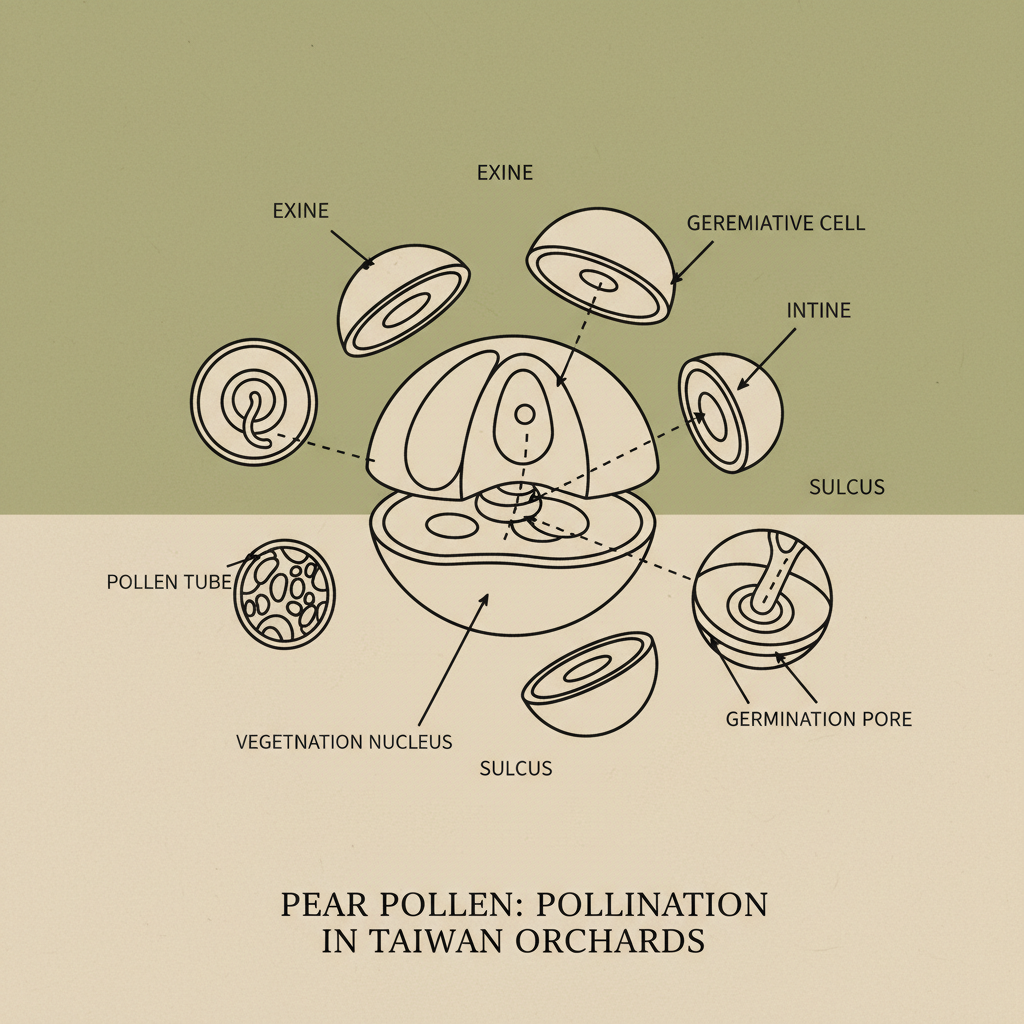
Optimizing Pear Pollen for Pollination in Orchards in Taiwan for Enhanced Yields
-
What Makes China Top Fruit Protection Bag Manufacturer Stand Out at Asia Fruit Logistica?
-

Navigating the CE Certification Quest for Plum Pollen Ensuring Quality and Market Access
-
How Does China Best Fruit Protection Bag Manufacturer Support Orchard Efficiency at SIVAL France?

 English
  Afrikaans
  Albanian
  Amharic
  Arabic
  Armenian
  Azerbaijani
  Basque
  Belarusian
  Bengali
  Bosnian
  Bulgarian
  Catalan
  Cebuano
  Corsican
  Croatian
  Czech
Czech  Danish
  Dutch
Dutch  Esperanto
  Estonian
  Finnish
  French
  Frisian
  Galician
  Georgian
  German
  Greek
Greek  Gujarati
  Haitian Creole
  Hausa
Hausa  Hawaiian
  Hebrew
  Hindi
Hindi  Miao
Miao  Hungarian
  Icelandic
  Igbo
Igbo  Indonesian
  Irish
Irish  Italian
  Japanese
  Javanese
  Kannada
  Kazakh
  Khmer
Khmer  Rwandese
  Korean
  Kurdish
  Kyrgyz
  Lao
Lao  Latin
Latin  Latvian
  Lithuanian
  Luxembourgish
  Macedonian
  Malgashi
  Malay
Malay  Malayalam
  Maltese
  Maori
Maori  Marathi
  Mongolian
  Myanmar
  Nepali
  Norwegian
  Norwegian
  Occitan
  Pashto
  Persian
  Polish
  Portuguese
  Punjabi
  Romanian
  Russian
  Samoan
  Scottish Gaelic
  Serbian
  Sesotho
  Shona
Shona  Sindhi
  Sinhala
  Slovak
  Slovenian
  Somali
  Spanish
  Sundanese
  Swahili
  Swedish
  Tagalog
  Tajik
Tajik  Tamil
Tamil  Tatar
Tatar  Telugu
  Thai
Thai  Turkish
  Turkmen
  Ukrainian
  Urdu
Urdu  Uighur
  Uzbek
Uzbek  Vietnamese
  Welsh
Welsh  Bantu
Bantu  Yiddish
  Yoruba
  Zulu
Zulu