Active pollen for pollination in apple orchards is crucial for ensuring robust fruit set and high-quality yields, directly impacting global food security. Apple production represents a significant portion of the fruit industry worldwide, with an estimated global value exceeding $100 billion annually. However, natural pollination, reliant on dwindling bee populations and unpredictable weather patterns, often proves insufficient. This is where strategically applied active pollen becomes essential, guaranteeing successful pollination even under suboptimal conditions. Understanding and optimizing the use of active pollen is vital for maintaining the stability of apple supply chains and meeting growing consumer demand.
The challenge of declining pollinator populations, coupled with the increasing need for higher fruit yields, necessitates innovative solutions. Traditional orchard management practices often struggle to guarantee consistent and complete pollination. The inconsistency can lead to significant economic losses for growers and impacts the availability of a widely consumed fruit. Active pollen for pollination in apple orchards offers a reliable alternative, bypassing the limitations of natural pollination and allowing for precise control over the pollination process.
Ultimately, a thorough grasp of active pollen applications empowers growers to maximize their yields, improve fruit quality, and contribute to a more sustainable and resilient apple industry, benefitting both producers and consumers alike.
Introduction: Global or Industry Context
The successful cultivation of apple orchards globally is heavily dependent on effective pollination. Approximately one-third of the food we consume relies on insect pollination, and apples are particularly reliant on this process. However, factors like habitat loss, pesticide use, and climate change are contributing to the decline of bee populations, creating a critical need for alternative pollination strategies. Utilizing active pollen for pollination in apple orchards provides a targeted solution to these challenges.
The economic impact of insufficient pollination in apple production is substantial. Reduced yields translate into lower profits for growers and potentially higher prices for consumers. Data from the USDA suggests that inadequate pollination can reduce apple yields by as much as 20-30%. This underscores the importance of reliable pollination methods, and the active application of pollen is emerging as a key component of modern orchard management.
Definition & Meaning
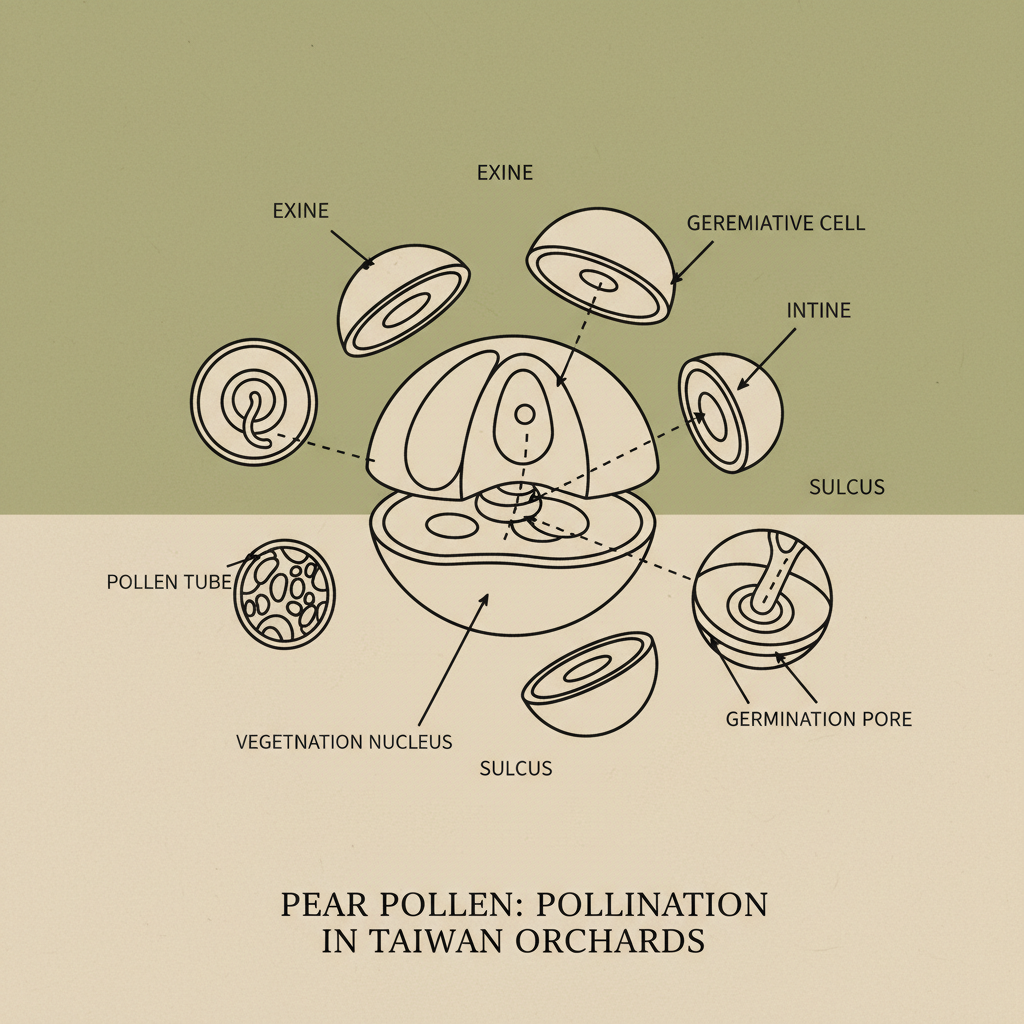
Active pollen for pollination in apple orchards refers to the intentional collection and application of viable pollen grains directly to apple blossoms to ensure successful fertilization. Unlike relying solely on natural vectors like bees, this process involves harvesting pollen from selected donor trees and distributing it artificially, often using specialized equipment. It’s a proactive measure taken to supplement or replace natural pollination when environmental conditions or pollinator populations are insufficient.
This practice is gaining traction in response to modern pressures on agricultural systems. It addresses the increasing need for food security in a world facing climate change and biodiversity loss. The controlled nature of active pollen application allows growers to bypass inconsistencies inherent in natural pollination, guaranteeing a more predictable and robust harvest.
Effectively, active pollen represents a technological advancement designed to secure yields in a challenging agricultural landscape and is increasingly vital for maintaining global apple production.
Key Factors or Core Components
Pollen Viability: The percentage of pollen grains capable of successfully fertilizing an ovule is paramount. Maintaining optimal storage conditions – typically cool, dry environments – is crucial to preserving pollen viability over time. Regular testing ensures the pollen remains potent before application.
Application Timing: Precise timing is critical. Pollen should be applied when apple blossoms are receptive, typically during the bloom period, and when environmental conditions (temperature, humidity, wind) are favorable for pollen dispersal. Correct timing maximizes the chances of successful fertilization.
Pollen Source Selection: Choosing pollen from compatible apple varieties is essential to ensure genetic diversity and desired fruit characteristics. Selecting donor trees known for high pollen production and disease resistance further enhances the effectiveness of the application.
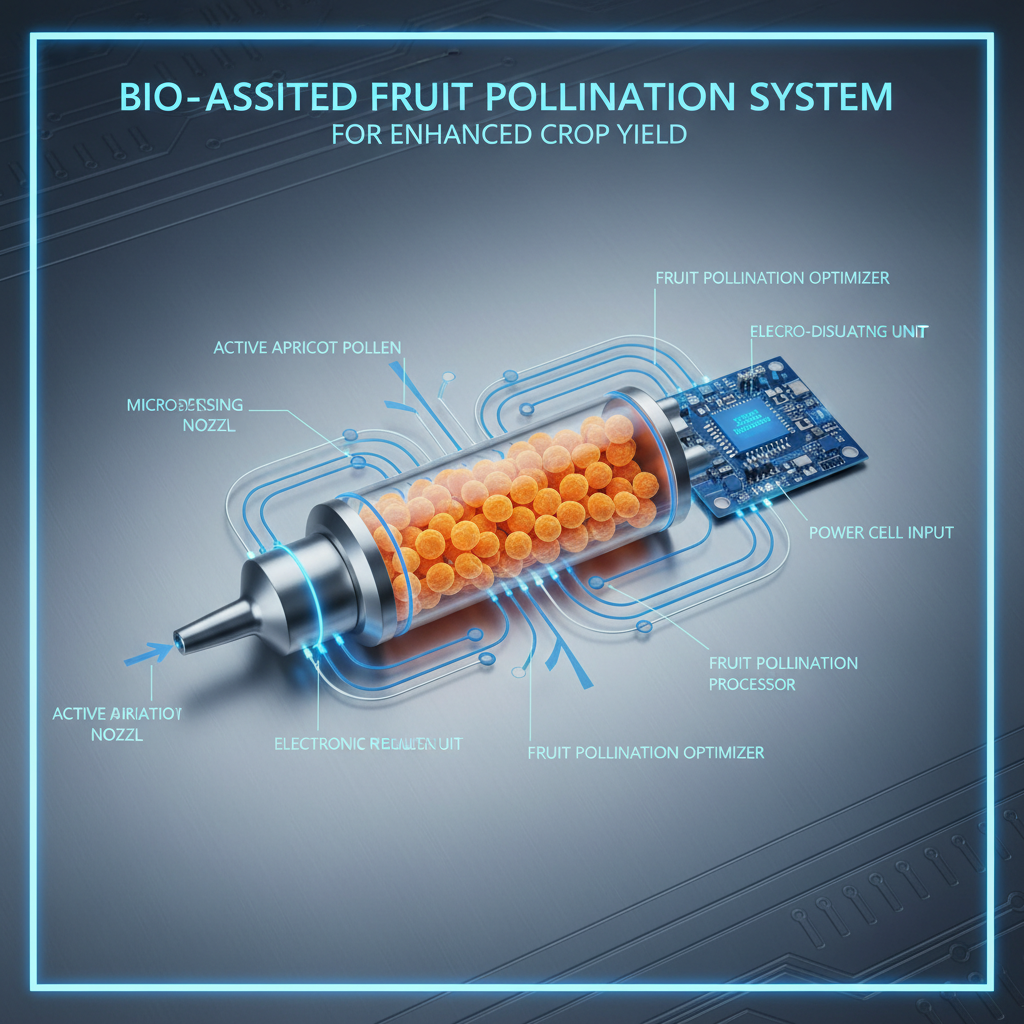
Application Method: Different methods exist, ranging from manual dusting to specialized pollen blowers. The chosen method must ensure even distribution of pollen across the blossoms, maximizing contact and fertilization rates.
Global Applications & Use Cases
Active pollen for pollination in apple orchards is becoming increasingly prevalent in regions experiencing pollinator decline or facing challenging environmental conditions. In China, the world's largest apple producer, active pollen is widely used to supplement bee pollination and ensure consistent yields in large-scale orchards. Similarly, in North America, growers are adopting this technology to mitigate the impact of Colony Collapse Disorder and other pollinator-related issues.
Beyond major production regions, active pollen is also utilized in specialized apple growing areas like the European Alps, where steep terrain and limited pollinator access make natural pollination difficult. The technology is also being explored in controlled environment agriculture (CEA) systems, such as greenhouses, where natural pollination is entirely absent.
Furthermore, research institutions and agricultural extension services are conducting trials and providing training on active pollen application techniques to disseminate best practices and promote its wider adoption. This is particularly valuable in smaller farming communities that may lack access to advanced pollination technologies.
Active Pollen Application Methods - Effectiveness Comparison
Advantages & Long-Term Value
Active pollen for pollination in apple orchards offers several tangible benefits. Firstly, it significantly increases fruit set and yield, leading to higher revenue for growers. This translates to greater economic stability and profitability. Secondly, the precise control over pollination allows for improved fruit quality, including size, shape, and color, enhancing market value.
From a sustainability perspective, reducing reliance on dwindling bee populations helps preserve biodiversity and ecosystem health. Moreover, the reduced need for pesticide use associated with mitigating pollinator decline contributes to a more environmentally friendly agricultural practice. Finally, the reliability of active pollen application provides growers with peace of mind, protecting their investments and ensuring a consistent supply of apples to the market.
Future Trends & Innovations
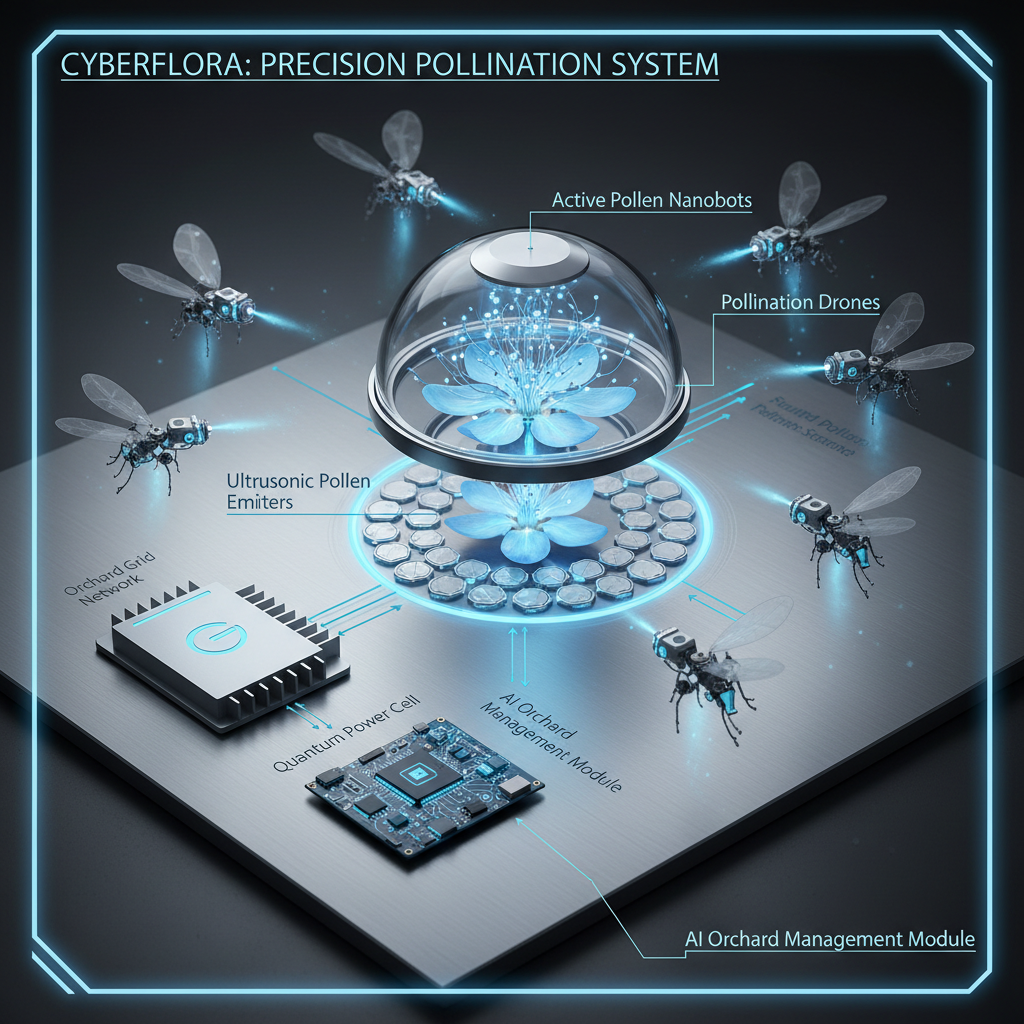
Future advancements in active pollen for pollination in apple orchards are likely to focus on automating the application process. Drone technology, equipped with precision pollen dispersal systems, promises to significantly reduce labor costs and improve application efficiency. Furthermore, research into developing more robust pollen storage techniques, extending viability for longer periods, is ongoing.
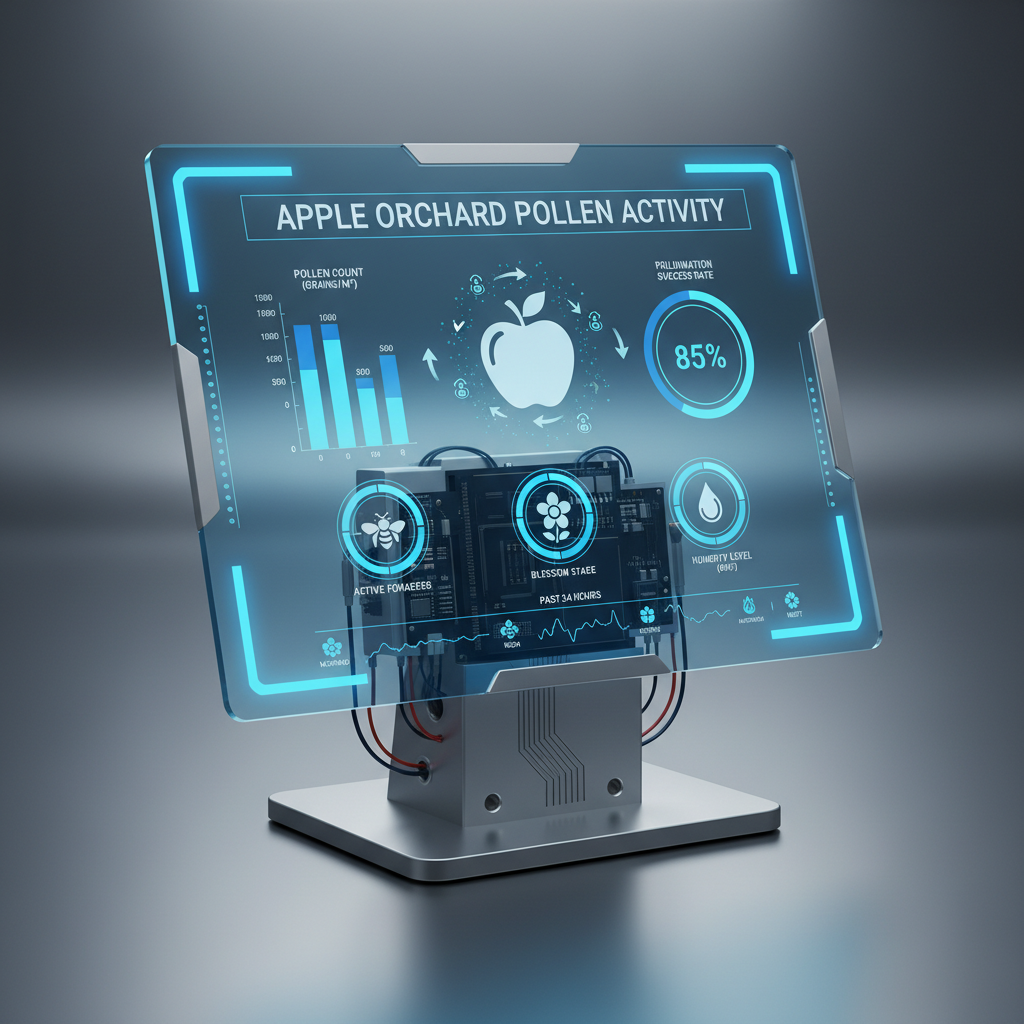
The integration of artificial intelligence (AI) and machine learning could also play a role in optimizing pollen application timing and dosage, based on real-time weather data and blossom receptivity assessments. Finally, the development of pollen varieties with enhanced pollination capabilities, through targeted breeding programs, could further enhance the effectiveness of this technology.
Challenges & Solutions
A key challenge with active pollen for pollination in apple orchards is the cost of pollen collection and application. Labor-intensive manual methods can be expensive, particularly for large-scale operations. A potential solution is the development of automated pollen collection systems and the adoption of drone-based application technologies to reduce labor requirements.
Another challenge is ensuring consistent pollen viability during storage. Improving storage conditions, utilizing cryopreservation techniques, and developing pollen coatings to enhance protection from environmental factors can address this issue. Finally, educating growers about best practices for pollen application and providing access to reliable pollen sources are crucial for widespread adoption.
Ultimately, addressing these challenges through innovation and collaboration will unlock the full potential of active pollen as a sustainable and reliable pollination solution for apple orchards worldwide.
Frequently Asked Questions About Active Pollen for Pollination in Apple Orchards
| Application Timing |
Pollen Source |
Cost-Effectiveness |
Long-Term Storage |
| When is the optimal time to apply active pollen to apple blossoms? |
Apply pollen when 50-70% of blossoms are open, during calm, dry weather. Temperature should be above 15°C (59°F) for best results. Monitor blossom receptivity to fine-tune timing. |
Is active pollen application cost-effective compared to relying on natural pollinators? |
While initial costs may be higher, increased yield and improved fruit quality often offset the expense. Reduced reliance on bee rentals and fewer yield losses contribute to long-term profitability. |
| What type of apple pollen should I use for optimal results? |
Use pollen from apple varieties that are compatible with your orchard’s cultivars. Ensure the pollen source is healthy and free from diseases. |
How does active pollen impact fruit set in comparison to natural pollination? |
Active pollen consistently achieves higher fruit set percentages, particularly under challenging conditions like low bee activity or adverse weather. |
| Can I store active pollen for future use, and if so, how? |
Yes, pollen can be stored frozen at -20°C ( -4°F) for up to a year. Ensure proper sealing to prevent moisture contamination. |
What equipment is required for successful active pollen application? |
Equipment varies from simple dusting tools to specialized pollen blowers and drone-based application systems. Choose based on orchard size and budget. |
| What are the potential drawbacks of active pollen application? |
Potential drawbacks include the cost of pollen, the labor required for application (if not automated), and the need for careful timing and storage. |
Is active pollen application suitable for organic apple orchards? |
It depends on the pollen source and application method. Ensure the pollen is sourced from organic orchards and the application method complies with organic standards. |
| How can I determine the appropriate pollen quantity for my orchard? |
Pollen quantity depends on orchard size, apple variety, and pollination needs. Consult with an agricultural expert for tailored recommendations. |
What role does humidity play in the effectiveness of active pollen? |
High humidity can cause pollen to clump, reducing its effectiveness. Apply pollen during periods of low humidity for optimal results. |
| Does active pollen application affect the genetic diversity of apple trees? |
Using diverse pollen sources and avoiding self-pollination can help maintain genetic diversity. |
Can active pollen be used in conjunction with bee pollination? |
Yes, combining active pollen application with bee pollination can provide synergistic benefits, ensuring complete and reliable pollination. |
Conclusion
In conclusion, active pollen for pollination in apple orchards represents a crucial advancement in modern agriculture, offering a reliable solution to the challenges of declining pollinator populations and the increasing demand for food security. By strategically applying viable pollen, growers can enhance fruit set, improve fruit quality, and ensure consistent yields, ultimately contributing to a more sustainable and resilient apple industry.
Looking ahead, continued innovation in pollen storage, application techniques, and the integration of emerging technologies like AI and drones will further enhance the efficiency and cost-effectiveness of this practice. We encourage growers to explore the benefits of active pollen for pollination in apple orchards and consider implementing it as part of a comprehensive orchard management strategy. Visit our website at jmlpollen.com to learn more about our active pollen solutions.

 English
  Afrikaans
  Albanian
  Amharic
  Arabic
  Armenian
  Azerbaijani
  Basque
  Belarusian
  Bengali
  Bosnian
  Bulgarian
  Catalan
  Cebuano
  Corsican
  Croatian
  Czech
Czech  Danish
  Dutch
Dutch  Esperanto
  Estonian
  Finnish
  French
  Frisian
  Galician
  Georgian
  German
  Greek
Greek  Gujarati
  Haitian Creole
  Hausa
Hausa  Hawaiian
  Hebrew
  Hindi
Hindi  Miao
Miao  Hungarian
  Icelandic
  Igbo
Igbo  Indonesian
  Irish
Irish  Italian
  Japanese
  Javanese
  Kannada
  Kazakh
  Khmer
Khmer  Rwandese
  Korean
  Kurdish
  Kyrgyz
  Lao
Lao  Latin
Latin  Latvian
  Lithuanian
  Luxembourgish
  Macedonian
  Malgashi
  Malay
Malay  Malayalam
  Maltese
  Maori
Maori  Marathi
  Mongolian
  Myanmar
  Nepali
  Norwegian
  Norwegian
  Occitan
  Pashto
  Persian
  Polish
  Portuguese
  Punjabi
  Romanian
  Russian
  Samoan
  Scottish Gaelic
  Serbian
  Sesotho
  Shona
Shona  Sindhi
  Sinhala
  Slovak
  Slovenian
  Somali
  Spanish
  Sundanese
  Swahili
  Swedish
  Tagalog
  Tajik
Tajik  Tamil
Tamil  Tatar
Tatar  Telugu
  Thai
Thai  Turkish
  Turkmen
  Ukrainian
  Urdu
Urdu  Uighur
  Uzbek
Uzbek  Vietnamese
  Welsh
Welsh  Bantu
Bantu  Yiddish
  Yoruba
  Zulu
Zulu