NEWS
-
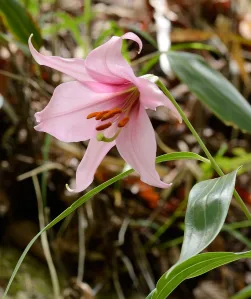
Artificial pollinators are cool, but not the solution
Agreed, bees and other insect pollinators are under threat globally from multiple human pressures. If pollinators disappear completely from an ecosystem, their loss will affect the structure of those ecosystems and the natural foods and fibres we use from the ecosystem. So, finding solutions to the problem of pollinator decline are imperative.Read more -
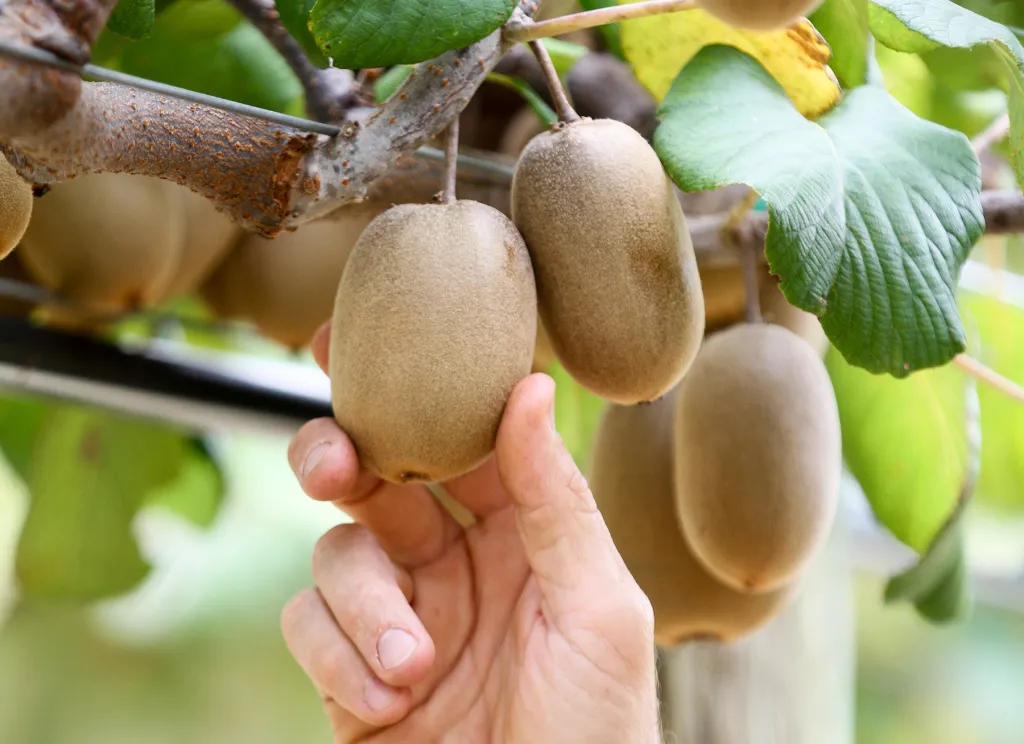
Next Time You Eat a Kiwifruit, Don’t Thank a Bee
The kiwifruit, a native of China that is now cultivated worldwide, depends on efficient pollination to reach a marketable size. In fact, fruit size has a straight-line relationship to grains of pollen. Until now, however, no studies have looked at what type of pollination—insect, wind, or artificial—does the job best.Read more -

The business of pollen collection in horticulture (PH19004)
The research team conducted a desktop review of artificial pollination technologies and collection methods and developed a business case for artificial pollination in Australia. Due to increasing difficulty in achieving successful pollination in several Australian crops, and the uncertainty in the future supply of honey bees for crop pollination, the horticulture sector requires an understanding of artificial pollination options.Read more -
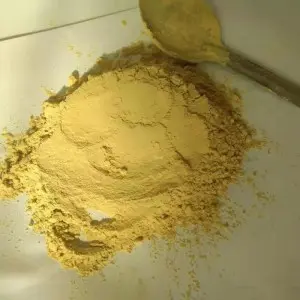
Artificial Pollination – Introduction, Methods and Advantages
Pollination is the process by which pollen from the male anther of a flower is transferred to the female stigma of a flower. This can be done by wind, insects, or other animals. Pollination is necessary for the fruit and seed production of flowering plants.Read more -
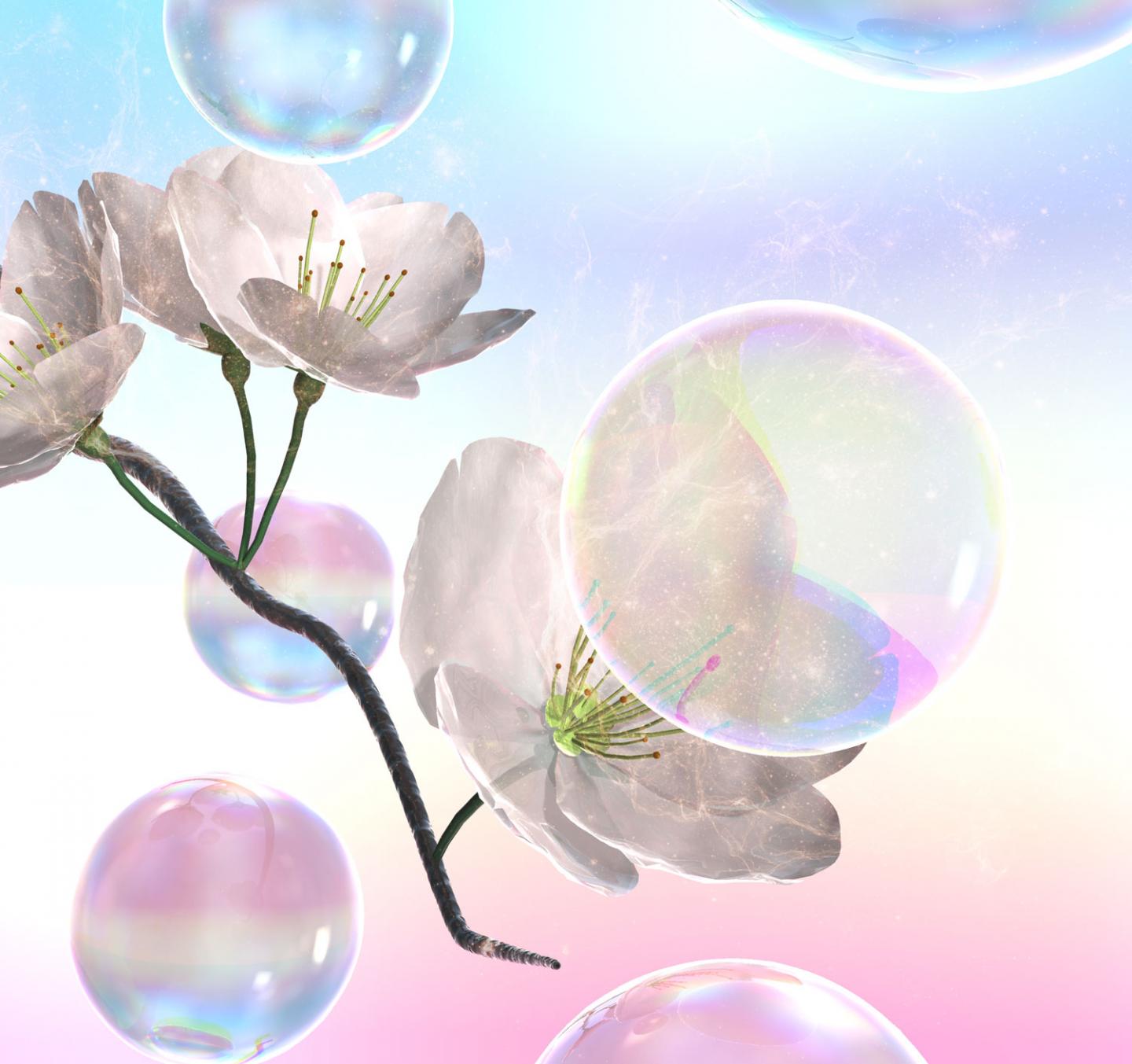
Bubbles, lasers and robo-bees: The blossoming industry of artificial pollination
In an episode of the Netflix dystopian sci-fi show “Black Mirror,” artificial bees have been deployed to pollinate the world’s plants after a massive pollinator extinction. A great idea, until [SPOILER ALERT] the robo-bees are programmed for murder.Read more -
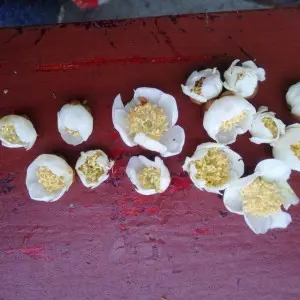
How is artificial pollination beneficial to plant breeders? Discuss briefly.
Artificial pollination is the kind of pollination performed out by humans. It is a mechanical technique that is performed to pollinate plants when natural pollination is insufficient or undesirable.Read more -

Introduction to Pollination
We all know that pollination is mainly carried out by insects, birds, animals, water and wind. Insufficient pollination affects the fruit and seed set and resistance to herbivores., This is because of limited outcrossing opportunities.Read more -
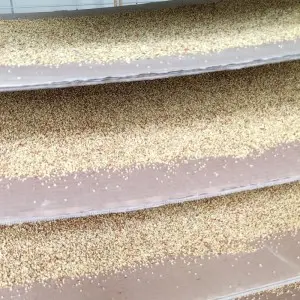
Artificial Pollination
Artificial pollination is the type of pollination carried out by humans. It is a mechanical technique used to pollinate plants when natural pollination is insufficient or undesirable. It does not require the help of insects or weather. There are times when natural pollinators are not present and also their introduction might be risky, then alternative methods of pollination such as artificial pollination are implied.Read more -

How to Keep Bugs and Mosquitoes Away From Your Outdoor Living Space
When the weather becomes warmer, outside living spaces are favorite places to gather and relax. Long, sunny days attract people, but they also bring out insects in droves. In particular, Maryland has mosquitoes, ticks, cicadas and many other pests that can be a nuisance. Mosquitoes, fleas and ticks also spread illnesses such as Lyme disease and the Zika virus, making them a health hazard.Read more